

Why Green Upholstery Cleaning Matters for Your Home
A green upholstery cleaner uses plant-based ingredients instead of harsh chemicals to safely remove stains and odors from furniture. This approach is about more than just cleaning; it’s a shift in philosophy, recognizing that our cleaning choices impact our family’s well-being and the planet.
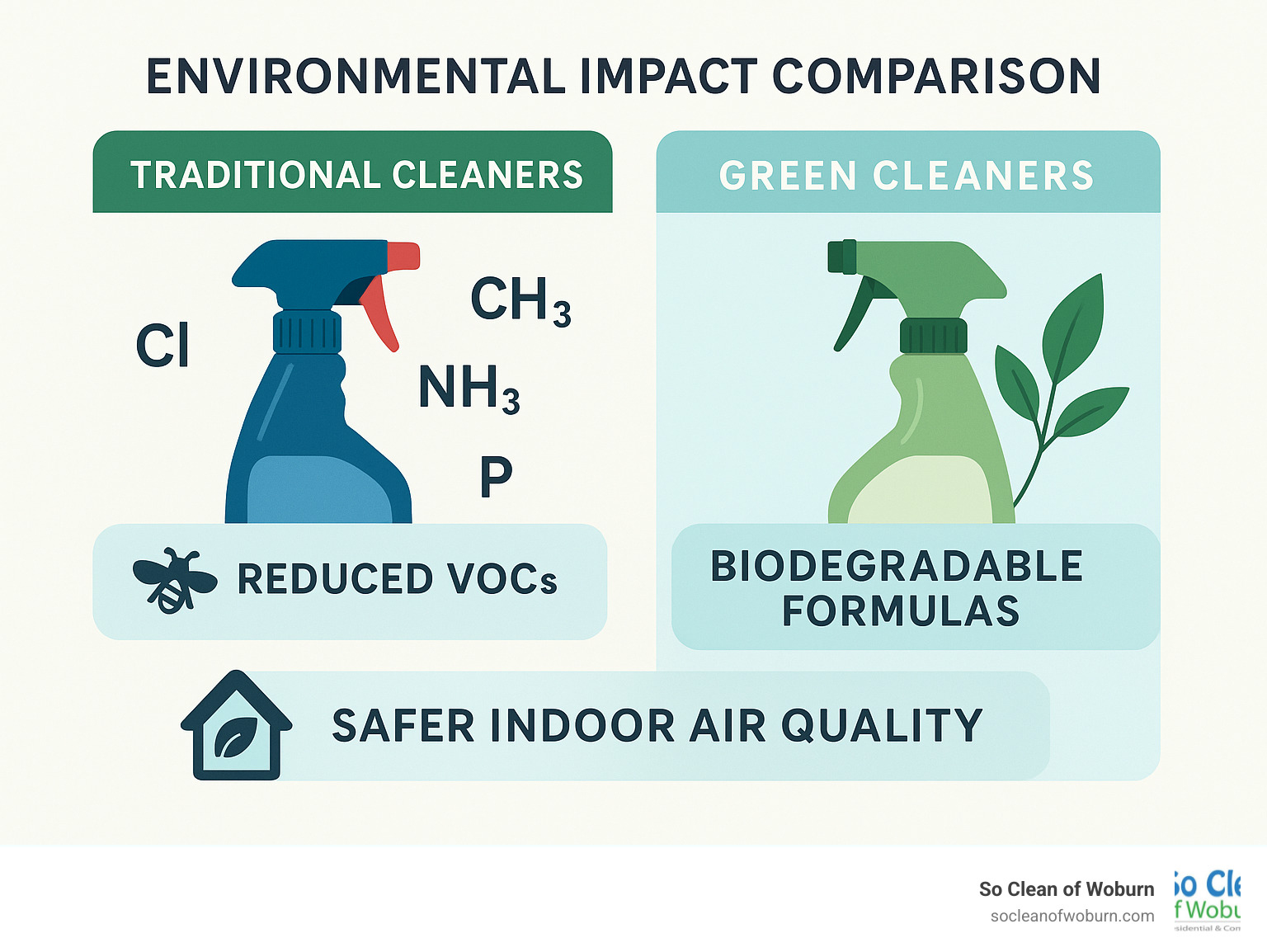
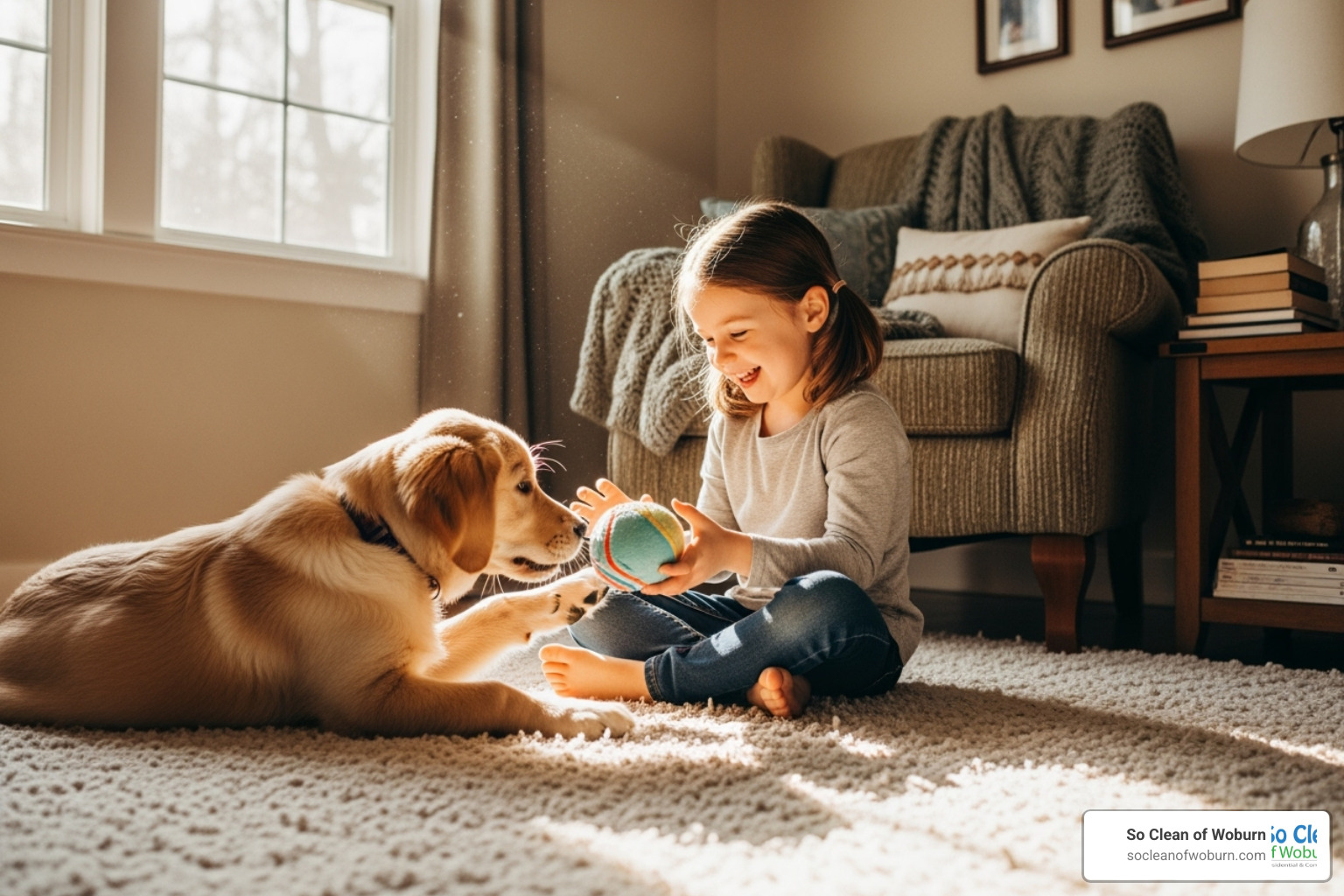
Traditional upholstery cleaners often contain ingredients that are harsh on fabrics, leave irritating residues, and pollute indoor air with volatile organic compounds (VOCs). If you’re cleaning a couch where your kids play or pets nap, you don’t want those surfaces coated in questionable chemicals.
Choosing a green upholstery cleaner offers compelling advantages:
- Safer for Your Family: Traditional cleaners can contain chlorine, ammonia, and artificial fragrances, which are known to cause skin irritation and respiratory issues. Plant-based, non-toxic alternatives reduce exposure to these harmful chemicals, improving indoor air quality for everyone, especially those with sensitivities. As we’ve learned, reducing allergens in apartment buildings is crucial for healthier indoor air.
- Better for the Environment: Many conventional cleaning products contain non-biodegradable ingredients that harm waterways and ecosystems. Green cleaners use biodegradable components that break down naturally, minimizing their environmental footprint. You can learn more about our philosophy on eco-friendly cleaning products.
- Just as Effective: There’s a common misconception that “green” means less effective, but that’s simply not true. Modern green cleaners, whether commercial or DIY, are incredibly effective at tackling dirt and tough stains. They leverage the natural power of ingredients like vinegar and plant-based surfactants to achieve impressive results without compromising on safety.
Whether you choose a simple DIY solution or a quality commercial green cleaner, you’re protecting your family’s health while extending the life of your upholstery.
Decoding “Green”: What to Look For and What to Avoid
Navigating the cleaning aisle can be confusing, with “green” and “eco-friendly” labels everywhere. Some companies engage in “greenwashing,” making eco-friendly claims without substance. To find a truly effective green upholstery cleaner, you need to know what to look for and what to avoid.
What to Look For in a Green Cleaner:
- Proven Plant-Based Ingredients: Look for simple, effective ingredients like white vinegar, baking soda, hydrogen peroxide, and natural dish soaps made with plant-based surfactants.
- Third-Party Certifications: These are your best friend for verifying claims. Look for the EPA Safer Choice label, which verifies the product meets strict safety standards, or the Green Seal certification, which ensures high performance and safety for people and the planet.
- Biodegradable Formulas: This is non-negotiable. It means the cleaning solution breaks down naturally without harming waterways or wildlife.
- Sustainable Packaging: Look for companies that use recyclable packaging, offer concentrated formulas to reduce waste, or provide refillable containers.
What to Avoid in a Cleaner:
- Phosphates: These are harmful to waterways, fueling algae blooms that disrupt ecosystems.
- Chlorine Bleach: It releases harmful fumes and can damage delicate upholstery fibers.
- Ammonia: This common ingredient can irritate the respiratory system.
- Artificial Fragrances: The term “fragrance” can hide dozens of undisclosed chemicals that may trigger headaches and allergies. Natural alternatives use essential oils or are fragrance-free.
You can learn more about making the switch to non-toxic cleaning products and see the difference in ingredients side-by-side:
| Traditional Cleaner Ingredients | Green Cleaner Ingredients |
|---|---|
| Perchloroethylene | White Vinegar |
| Naphthalene | Baking Soda |
| Chlorine Bleach | Plant-Based Surfactants |
| Ammonia | Hydrogen Peroxide |
| Phosphates | Essential Oils |
| Artificial Fragrances | Natural Enzymes |
The beauty of green cleaning is that it doesn’t require you to compromise on results. These natural ingredients work just as effectively as their chemical counterparts without putting your family’s health or the environment at risk.
Your Step-by-Step Guide to Cleaning Upholstery the Green Way
Ready to get your upholstery sparkling clean the green way? This approach protects your furniture and keeps your home healthy. While gadgets like the Bissell Little Green are popular, these methods use simple, effective ingredients you likely already have. These gentle yet powerful techniques work for a variety of fabrics, from natural fibers like cotton and linen to synthetics like polyester and microfiber. The key is to understand your fabric type, as delicate materials may need extra care.
Step 1: Preparation is Key
Proper prep is crucial for a safe and successful cleaning. Don’t skip these steps!
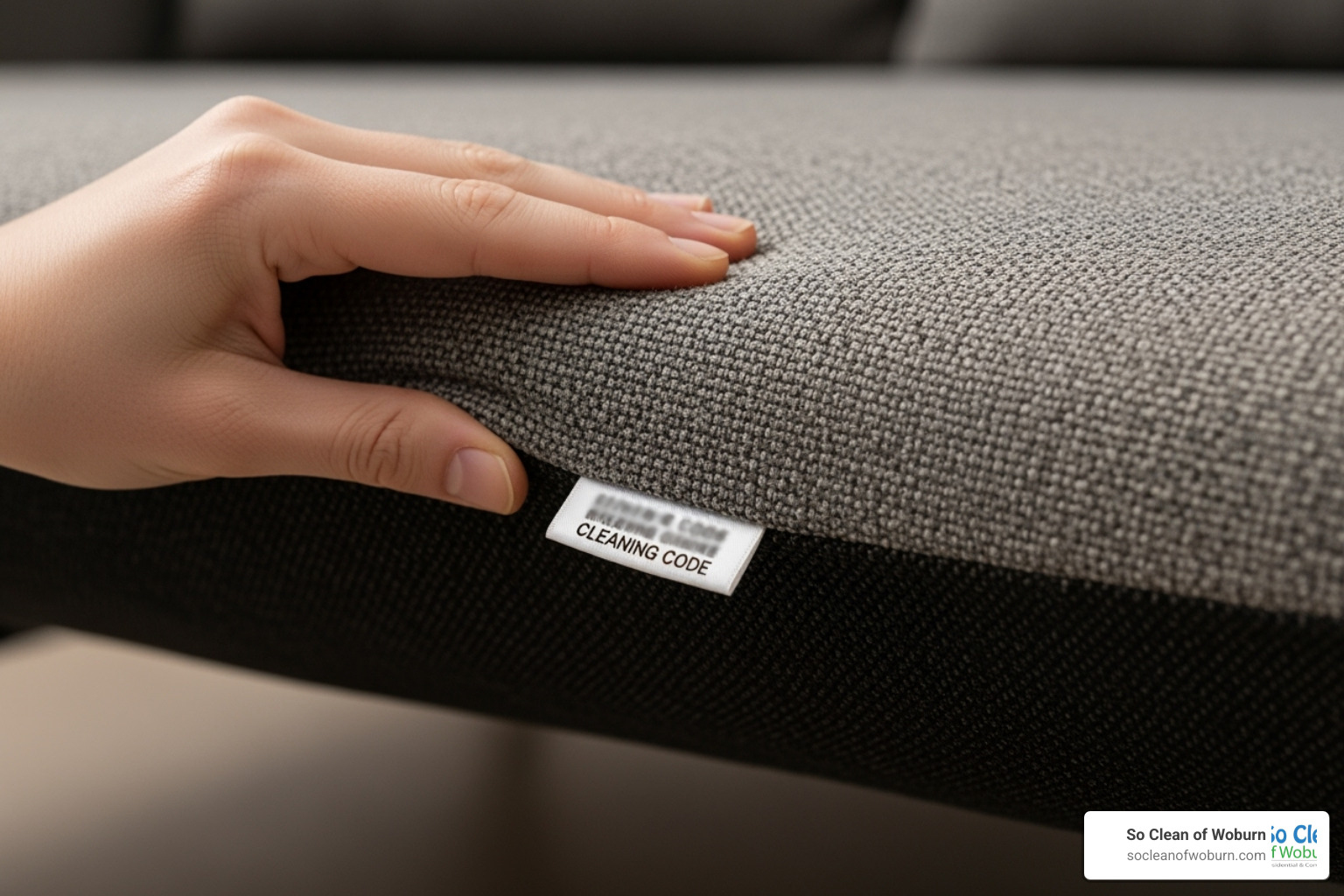
First, check the cleaning code on your upholstery tag. This tells you exactly how to clean it:
- W (Water-based): You can use water-based cleaners, including most DIY green solutions.
- S (Solvent-based): No water. Use a solvent-based cleaner or our dry-cleaning mix.
- WS (Water/Solvent): You can use either water-based or solvent-based cleaners.
- X (Vacuum Only): Do not use any liquid cleaners. Vacuum only or call a professional.
Next, vacuum thoroughly. Use your vacuum’s upholstery attachments to remove all loose dust, crumbs, and pet hair from every surface, including crevices. This step removes up to 70% of the “dirt” and makes your wet cleaning far more effective.
Finally, perform a spot test. This is non-negotiable. Apply a small amount of your chosen cleaner to a hidden area (like under a cushion). Let it sit for a few minutes, then blot it dry. Check for any discoloration or damage. If it looks good, you’re ready to proceed.
Step 2: Select Your DIY Green Upholstery Cleaner
Now it’s time to pick the right green upholstery cleaner for your fabric and cleaning challenge. DIY solutions made from common household ingredients are a non-toxic, budget-friendly alternative to store-bought options. For fabrics with a “W” or “WS” code, our water-based solutions are perfect. Natural fibers can be more sensitive to moisture than durable synthetics, but a spot test is always your best guide. We have recipes for an all-purpose cleaner, a brightening cleaner for light fabrics, and a water-free dry mix for delicate materials.
Step 3: Application and Gentle Cleaning
How you apply the cleaner is just as important as the cleaner itself. The goal is to clean effectively without oversaturating the fabric, which can cause water rings or mildew.
- Apply with a cloth or brush: Instead of spraying directly on the furniture, lightly mist your cleaner onto a clean microfiber cloth or a soft-bristled brush. This gives you more control.
- Blot, don’t rub: For stains, gently blot with your dampened cloth, working from the outside of the stain inward to prevent it from spreading.
- Use gentle motions: For general cleaning, use a soft brush or microfiber cloth to gently work the cleaner into the fabric in small, circular motions. Harsh scrubbing can cause pilling.
- Allow dwell time: Let the cleaner sit on the fabric for 5-10 minutes. This gives the natural ingredients time to break down dirt and grime.
- “Rinse” and blot dry: After the dwell time, blot the area with a clean cloth dampened with plain water to remove any residue. Then, use a dry towel to blot up as much moisture as possible.
- Air dry completely: Let the upholstery air dry fully before using it again. Open windows or use a fan to speed up the process and prevent musty odors.
Top DIY Green Upholstery Cleaner Recipes
There’s great satisfaction in mixing your own cleaning solutions, knowing they are safe and effective. These green upholstery cleaner recipes are our favorites because they are budget-friendly, easy to make, and rival the performance of commercial cleaners.
The All-Purpose Vinegar Solution
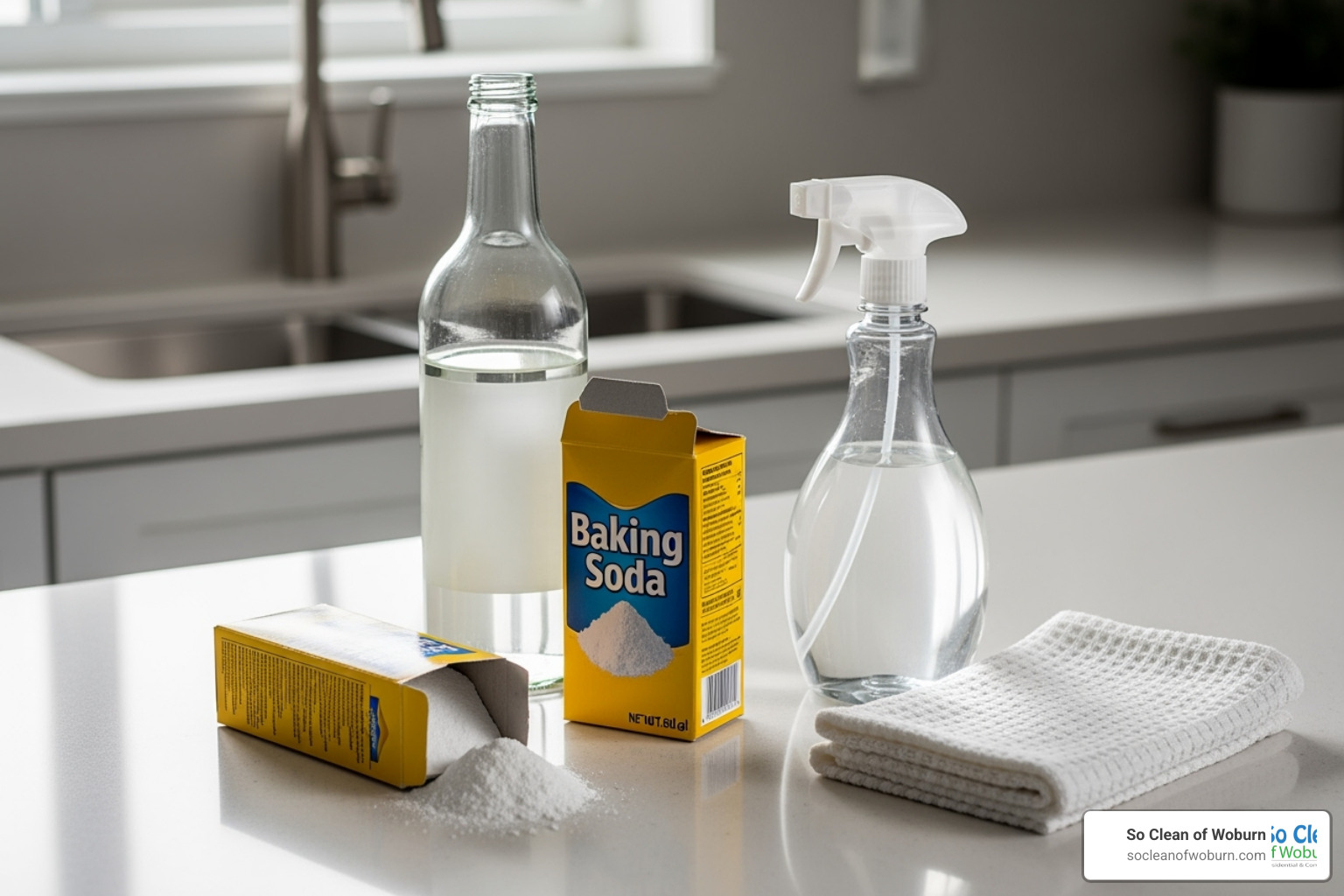
This is our go-to workhorse cleaner. White vinegar is naturally acidic, making it fantastic for breaking down grime and neutralizing odors.
Recipe: In a quality spray bottle, combine 1 cup of warm water, ½ cup white vinegar, and ½ tablespoon of natural dish soap. Shake gently to mix.
How to Use: For general cleaning and deodorizing, lightly mist the solution onto a clean microfiber cloth (not directly on the furniture) to prevent over-wetting. Wipe the fabric in small sections and let it air dry. The vinegar smell will disappear as it dries.
The Brightening Cleaner for Light-Colored Fabrics
When light-colored upholstery looks dingy or has stubborn stains, this hydrogen peroxide solution works wonders. Hydrogen peroxide is a natural bleach alternative that brightens and lifts stains through gentle oxidation.
Recipe: Mix 1 cup of 3% hydrogen peroxide with ½ tablespoon of natural dish soap in a spray bottle.
How to Use: After a successful spot test, apply the solution to a cloth or directly to the stain. Let it sit for 5-10 minutes to allow the peroxide to work. Gently blot from the outside in, then “rinse” by blotting with a clean, damp cloth and blot dry.
Caution: Hydrogen peroxide can lighten dark fabrics, so this recipe is only recommended for light-colored upholstery. Always perform a spot test first.
The Water-Free Dry Cleaner for Delicate Upholstery
For delicate fabrics with an “S” code or for a quick refresh without liquid, this dry mix absorbs oil and removes odors.
Recipe: Combine equal parts baking soda and cornstarch (e.g., ½ cup of each). Baking soda absorbs odors, while cornstarch is excellent at soaking up oils. For a fresh scent, add 5-10 drops of essential oil like lavender or lemon.
How to Use: Sprinkle the powder evenly over your upholstery. Let it sit for at least 30 minutes (or longer for strong odors) to absorb oils and odors. Vacuum thoroughly with your upholstery attachment, ensuring all powder is removed. This method is ideal for “S” code fabrics and for freshening up furniture between deep cleanings.
Frequently Asked Questions about Green Upholstery Cleaning
Switching to a green upholstery cleaner can bring up some questions. You might wonder if you’re sacrificing power for peace of mind. Let’s tackle the most common questions we hear.
Are green cleaners as effective as traditional chemical cleaners?
Yes, green cleaners are absolutely as effective, but they work differently. Traditional cleaners often use harsh chemicals for a quick fix, which can damage fabric or leave behind residues that attract more dirt. Green cleaners use the natural properties of ingredients like vinegar and hydrogen peroxide to break down stains thoroughly and gently.
The key difference is that green solutions may require more patience. While a chemical might seem to work instantly, a green cleaner works to lift the stain completely. For tough messes, you might need to repeat the process, but the result is a true clean that lasts longer.
Can I use a DIY solution in a carpet and upholstery cleaning machine?
We advise against this. Most machine manufacturers strongly recommend using only their approved cleaning solutions, and for good reason. DIY solutions, especially those with soap, can create excessive suds that damage the machine’s internal parts. This soap can also leave a sticky residue in your upholstery, causing it to get dirty faster.
Using unauthorized cleaners will likely void your machine’s warranty. If you want to use your machine, a safer approach is to clean by hand with your green solution first, then use the machine with only water in the tank to rinse and extract the moisture and loosened dirt. Always check your manual first.
How do I tackle tough stains like wine, ink, or pet accidents?
Green cleaning is up to the challenge, but each of these tough stains requires a specific approach. The key to success with any stain is to act as quickly as possible.
- Wine Stains: Blot up as much wine as you can immediately. Dab the area with a solution of equal parts white vinegar and water. For stubborn red wine, you can also make a paste of baking soda and water, let it dry on the stain, and then vacuum it up.
- Ink Stains: Dab rubbing alcohol onto the stain with a cotton ball, working from the outside in to prevent spreading. The ink will transfer to the cotton. Continue with fresh cotton balls until the ink is gone, then rinse the area by blotting with a damp cloth.
- Pet Accidents: These require cleaning the stain and neutralizing the odor. Blot the area immediately. We recommend a commercial enzymatic cleaner, as the enzymes digest the organic matter causing stains and smells. Alternatively, saturate the area with a 1:1 vinegar and water solution to neutralize the ammonia in urine. Once dry, cover the spot with baking soda, let it sit overnight to absorb any lingering odors, and vacuum thoroughly.
Conclusion
We’ve covered how choosing a green upholstery cleaner is a simple yet powerful way to create a healthier home. By using DIY recipes with vinegar, baking soda, and hydrogen peroxide, you can effectively tackle grime and stains without resorting to harsh chemicals. This approach protects your family from harmful residues and your furniture from damage, all while being kinder to the environment.
These green cleaning methods empower you to maintain fresh, clean upholstery that you can feel good about. You’re not just cleaning; you’re making a conscious choice for a safer, more sustainable household.
Of course, life gets busy, and some jobs are best left to the experts. If you’re facing particularly stubborn stains, preparing for a special event, or simply want a professional touch, So Clean of Woburn is here to help. We share your commitment to eco-friendly cleaning, using professional-grade equipment to deliver a deep clean that is both safe and effective.
When you’re ready for that next level of clean, we invite you to learn more about our expert Green Cleaning Services throughout the Greater Boston area. Let us bring our gentle care and powerful cleaning to your home.
Like us on Facebook!