

The Rise of Green Cleaning Power
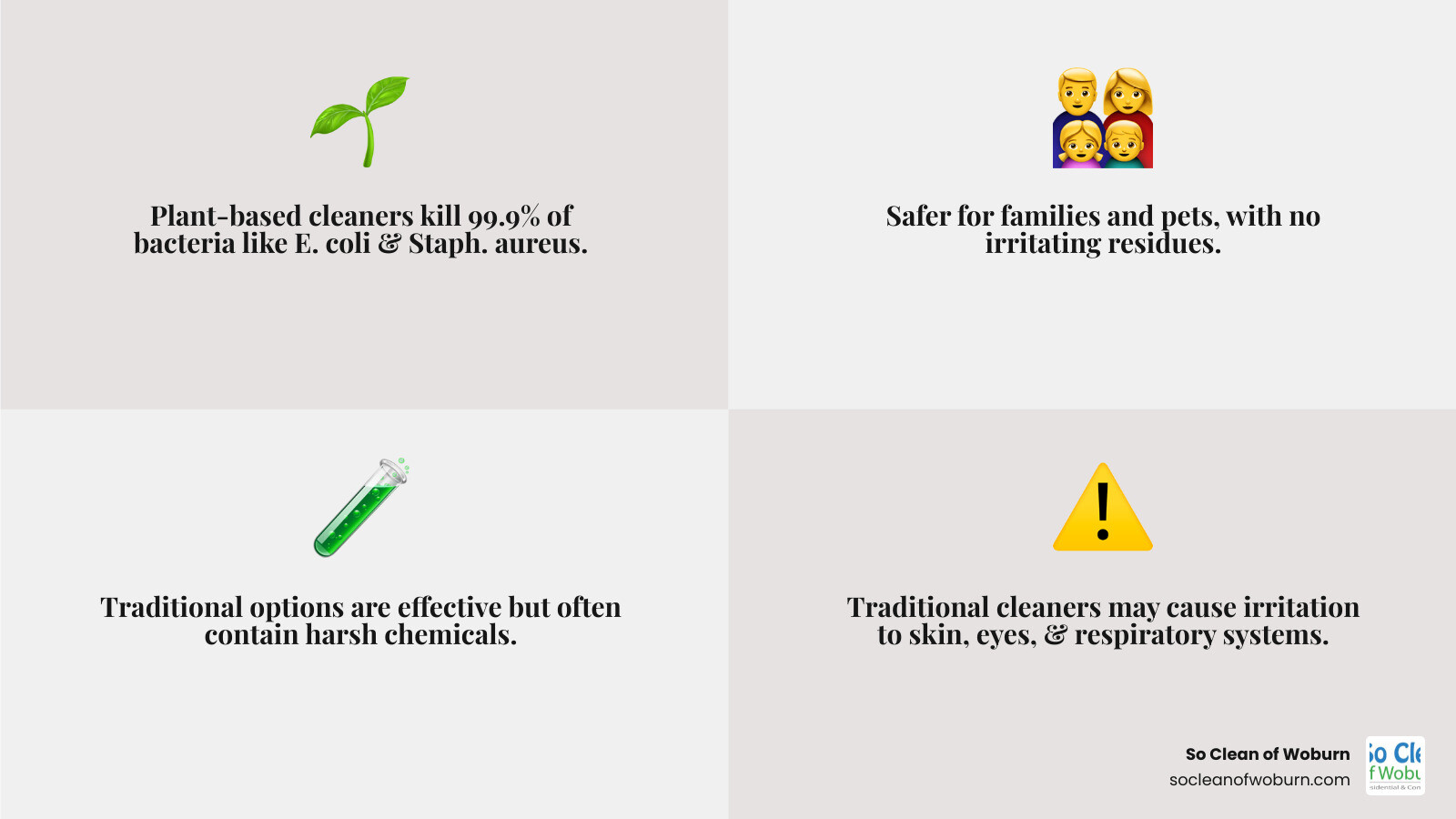
Plant based antibacterial cleaner options are changing how we keep our homes germ-free without harsh chemicals. These natural alternatives use ingredients like citric acid, thymol, and plant-based alcohol to kill 99.9% of household bacteria while being safer for families and pets.
Top Plant-Based Antibacterial Cleaners:
- Method Antibacterial Cleaners – Uses lactic acid and citric acid, kills 99.9% of bacteria including E. coli and Staphylococcus aureus
- Seventh Generation Disinfecting Cleaner – Plant-based formula effective against bacteria and viruses
- CleanWell Products – Features thymol extracted directly from plants, EPA registered
- WOW Antibacterial Cleaner – Camphor hydrosol and plant alcohol, eliminates 99.9% of bacteria in 20 seconds
Price Range: $5-$25 per bottle for most plant-based antibacterial cleaners.
The shift toward green cleaning isn’t just a trend – it’s a response to growing concerns about chemical exposure in our homes. Traditional antibacterial cleaners often contain harsh ingredients that can irritate skin, eyes, and respiratory systems. They also leave behind chemical residues that linger on surfaces where our families eat, play, and sleep.
Plant-powered alternatives work differently. Instead of relying on synthetic chemicals, they harness the natural antibacterial properties found in plants. Citric acid from citrus fruits breaks down bacterial cell walls. Thymol from thyme plants acts as a natural disinfectant. Lactic acid provides gentle but effective sanitizing power.
These natural ingredients are just as effective at killing germs, but they’re gentler on your family and the environment. They break down naturally after use, reducing environmental impact while still delivering the deep clean your home needs.
What’s Inside? The Powerhouse Ingredients in a Plant Based Antibacterial Cleaner
Ever wonder what makes a plant based antibacterial cleaner effective without harsh chemicals? The secret lies in nature’s powerful compounds. Unlike traditional cleaners with synthetic chemicals that can irritate, plant-based alternatives use ingredients evolved by plants for protection.
Lactic acid, created by fermenting plant sugars, is a gentle ingredient that breaks down bacterial cell walls, eliminating 99.9% of household bacteria like E. coli and Staphylococcus aureus.
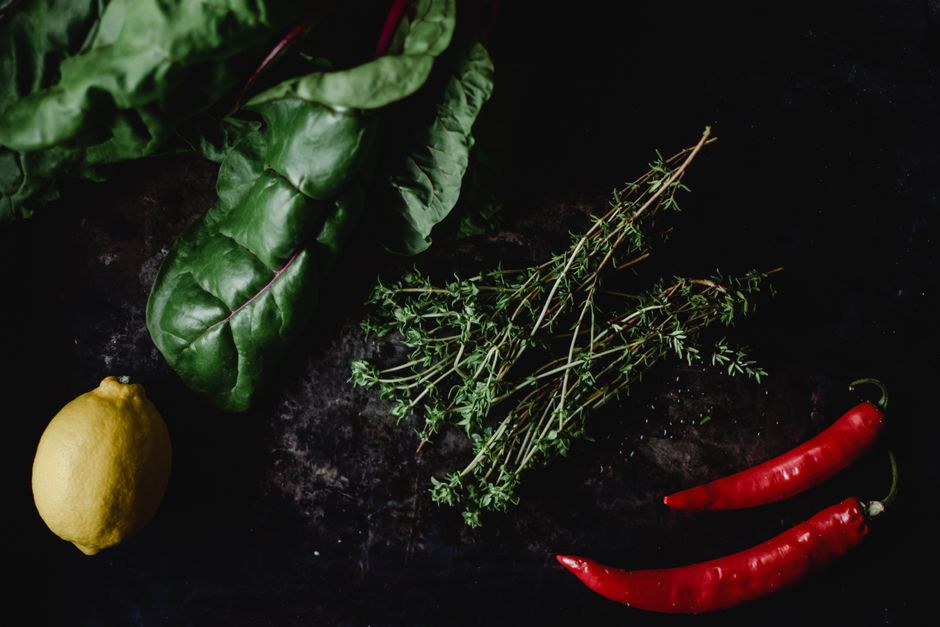
Citric acid, from lemons and oranges, effectively dissolves soap scum and kills germs, including some viruses, making it a versatile cleaning champion.
Thymol, extracted from thyme, is an EPA-registered disinfectant. It’s genuinely plant-derived, has a low toxicity level, and often doesn’t require rinsing from food contact surfaces.
Plant-based alcohol (ethanol) from corn or sugarcane is a fast-acting sanitizer. Combined with natural extracts, it can eliminate 99.9% of bacteria in 20 seconds, evaporating quickly without residue.
Essential oils from tea tree, eucalyptus, and lemon add pleasant scents and contribute their own antibacterial and antiviral properties.
These natural ingredients create cleaners that are tough on germs but gentle on your family. For more insights on creating a healthier home, check out our guide on healthy home cleaning products.
How Plant-Powered Ingredients Work
Instead of brute chemical force, plant-based ingredients cleverly disable germs. Most agents target the cell walls of bacteria and viruses. Ingredients like lactic acid, citric acid, and thymol break down this protective barrier, rendering the germ harmless.
These natural disinfectant properties don’t stop there. Many plant compounds also interfere with a germ’s ability to function by disrupting its essential processes, ensuring the microorganism can’t survive. This multi-layered approach explains why they can kill 99.9% of bacteria and many viruses, actively eliminating microscopic threats.
One of the best parts? These cleaners leave no harsh residue. Plant-based formulas evaporate cleanly, leaving your kitchen counters, bathroom surfaces, and children’s toys truly clean and safe to touch.
Natural Scents vs. Synthetic Fragrances
The scent of a plant-based cleaner is fundamentally different from synthetic fragrances. Instead of overwhelming chemical perfumes, you get refreshing aromas from real plants using botanical extracts and essential oils.
Natural fragrances contain no phthalates, synthetic chemicals linked to health concerns. This avoidance leads to reduced irritation for people with allergies or sensitivities.
The result is genuinely fresh, clean smells that don’t trigger headaches or mask odors with heavy artificial fragrances. Your home ends up smelling naturally fresh, not chemically cleaned.
The Benefits: Why Make the Switch to Plant-Powered Cleaning?
If you’re considering a plant based antibacterial cleaner, this switch could be one of the best decisions for your home and family.

The most important reason? These cleaners are dramatically safer for kids and pets. With traditional cleaners, a toddler or pet wandering into a freshly cleaned area can be scary. But plant-based cleaners like WOW Antibacterial Cleaner are specifically formulated to be safe around your entire family, including your four-legged members.
This safety comes from their non-toxic formulas. These cleaners skip the harsh stuff – no parabens, phosphates, ammonia, chlorine, bleach, or phthalates. Instead of reading ingredient lists that sound like chemistry homework, you’ll find recognizable plant-derived components that do the job without the worry.
Here’s something you might not have considered: these cleaners are biodegradable, which means they break down naturally after they’ve done their job. When they go down your drain, they won’t stick around in waterways causing problems for fish and other wildlife. It’s a small change that adds up to a big difference.
One benefit you’ll notice immediately is the better indoor air quality. Plant-based alternatives use natural fragrances and don’t release harsh chemical vapors, so your home feels fresh without that overwhelming chemical smell.
Want to understand more about what you might be avoiding? Check out this eye-opening resource about the risks of household chemicals. For even more insights into creating a healthier home environment, explore our guide on non-toxic cleaning products.
A Greener Footprint
Beyond keeping your family safe, choosing a plant based antibacterial cleaner is like giving the planet a little hug every time you clean. It’s amazing how these small daily choices can add up to something meaningful.
These cleaners start with sustainable ingredients – think renewable plant sources instead of petroleum-based chemicals. The difference is like choosing to plant a garden instead of mining a quarry. The environmental impact is dramatically different from the very beginning.
The packaging revolution happening in this space is pretty exciting too. Many brands now use recycled packaging – some bottles are made from 65% recycled plastic, while others go even further with 100% recycled aluminum containers. It’s proof that cleaning your home doesn’t have to mean dirtying the planet.
But here’s where it gets really smart: refillable options. Instead of throwing away another plastic bottle, you buy a small concentrated refill or even dissolvable tablets. It’s like having a magic trick that shrinks your trash can contents while keeping your home spotless. These concentrated formulas also mean reduced water waste – you’re not paying to ship water across the country when you can add it at home.
Every time you choose a plant-based cleaner, you’re voting for a cleaner world with your wallet. It’s a simple switch that makes you feel good about the impact you’re having. To dive deeper into sustainable cleaning choices, check out our comprehensive guide on eco-friendly cleaning products.
Putting Them to the Test: Efficacy and Applications
When switching to a plant based antibacterial cleaner, the big question is: “Do they actually work?” The good news is, these plant-powered cleaners pack a serious punch when it comes to effectiveness.
Quality plant-based cleaners are clinically proven to eliminate 99.9% of common household germs that cause illness. This includes nasty bugs like Staphylococcus aureus (which can cause skin infections and food poisoning), E. coli (a foodborne illness culprit), and Influenza A virus (a main flu virus). These cleaners also tackle other common invaders like Rhinovirus (the common cold) and Salmonella enterica.
What’s really impressive is how quickly some of these natural formulas work. Some plant-based cleaners can eliminate 99.9% of bacteria in just 20 seconds – that’s faster than it takes to wash your hands properly!

Common Home Applications for a Plant Based Antibacterial Cleaner
The beauty of a plant based antibacterial cleaner is its versatility. You’ll find yourself reaching for it constantly throughout your home.
Kitchen counters are a primary use. After preparing meals, a quick spray and wipe gives you peace of mind that foodborne bacteria aren’t sticking around.
Bathroom surfaces are another natural fit. Tubs, sinks, glazed tiles, and toilet seats all benefit from regular antibacterial attention in these moist environments where germs thrive.
Don’t forget about children’s toys. Plant-based cleaners are perfect here because many don’t require rinsing after use, making them safe once they’ve dried.
High-touch areas throughout your home are germ highways – think doorknobs, light switches, remote controls, and garbage can lids.
Floors in high-traffic areas can also benefit from antibacterial cleaning, especially if you have pets or crawling babies.
A pro tip: dwell time matters. Most antibacterial cleaners need to sit wet on the surface for a specific time (e.g., 5-10 minutes) to kill germs. Don’t just spray and immediately wipe – let the cleaner work first.
Are there any limitations?
While great for home use, plant-based cleaners have some limitations. It’s important to know what you’re working with.
When it comes to effectiveness on superbugs or hospital-grade pathogens, they might not be the first choice. For your home, though, they provide more than enough protection against the 99.9% of common household bacteria and viruses you’ll encounter daily.
Shorter shelf life can be a consideration. While formulated for stability, they generally don’t last as long as some chemical-heavy alternatives. Always check expiration dates.
Let’s talk about price points. You’ll typically find plant-based antibacterial cleaners ranging from about $5 to $25 per bottle. The upfront cost might be slightly more than the cheapest conventional cleaners, but many brands offer concentrated formulas or refill systems that save money over time. When you factor in the health and environmental benefits, the value is compelling.
For more insights on creating a healthier home environment, check out our guide on green house cleaning.
How to Choose the Best Plant Based Antibacterial Cleaner
Finding the perfect plant based antibacterial cleaner for your home doesn’t have to be overwhelming, but it does require a bit of detective work. With so many products claiming to be “green” or “natural,” we’ve learned that the real treasure is in the details.
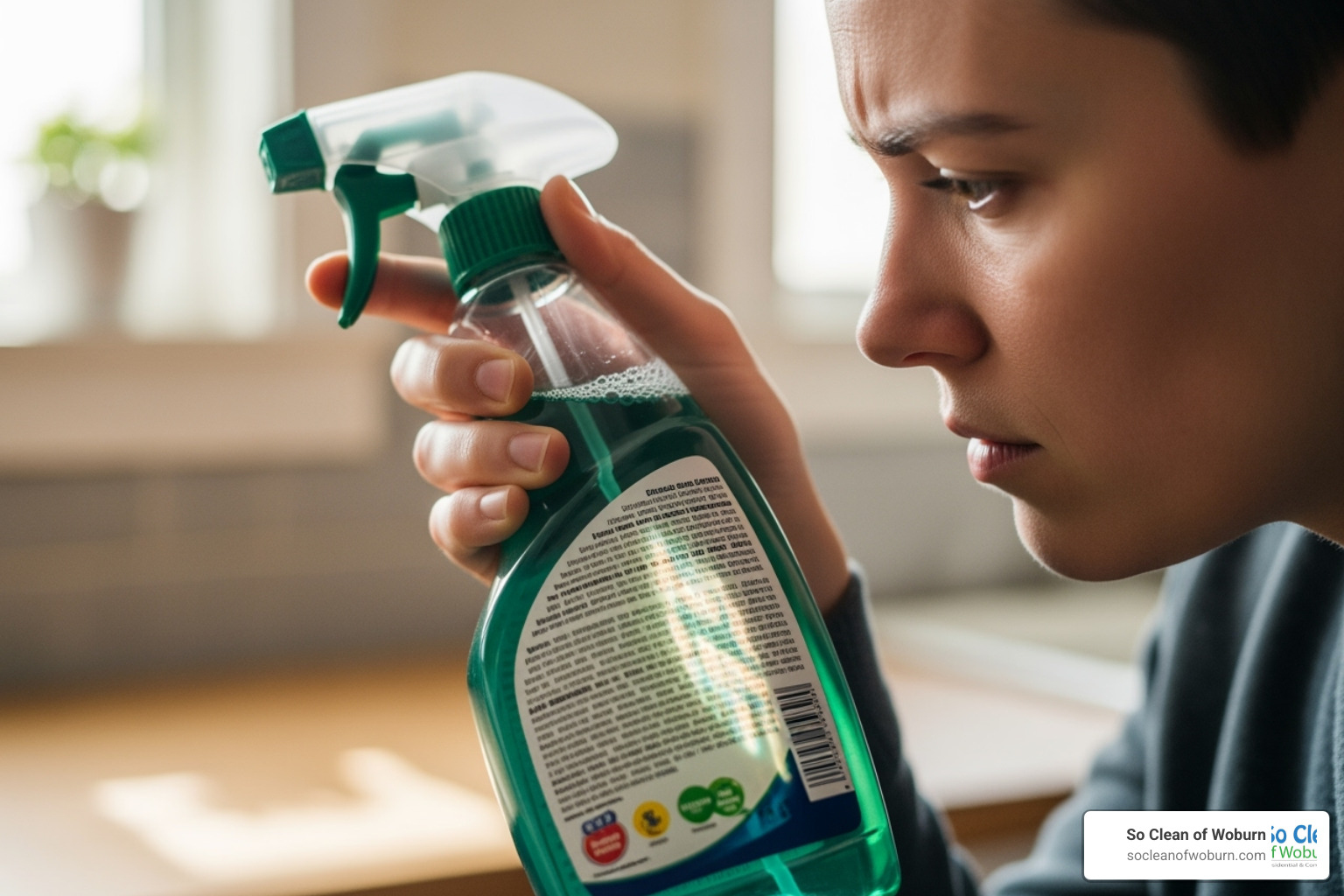
The most important step we always recommend is reading ingredient lists carefully. A genuinely plant-based cleaner will proudly display its botanical powerhouses – think citric acid from citrus fruits, lactic acid from fermented plants, or thymol from thyme. These ingredients should be clearly named, not hidden behind vague terms like “plant essences” or “natural fragrance blend.”
What you don’t want to see is a long list of chemical names that sound like they belong in a chemistry textbook. True plant-based brands are transparent about every ingredient, not just the “active” ones that do the cleaning work.
Avoiding greenwashing has become an essential skill in today’s market. Some companies use misleading green packaging or nature-themed names while their formulas remain largely synthetic. Real plant-based cleaners will specifically mention their biodegradable ingredients, non-toxic formulations, and often highlight what harsh chemicals they don’t contain – like bleach, ammonia, or synthetic fragrances.
The gold standard for any cleaning product is third-party testing. When a cleaner claims to eliminate 99.9% of bacteria, that’s a big promise. Reputable brands back up these claims with independent laboratory verification, and they’re usually happy to share this information on their packaging or websites.
Certifications and Labels to Look For
Think of certifications as your cleaning product’s report card – they tell you exactly how well a product performs in the areas that matter most to your family’s health and the environment.
The EPA Safer Choice label is like getting a thumbs-up from the government’s environmental experts. When you see this certification, it means the Environmental Protection Agency has reviewed every ingredient and confirmed it’s safer for both human health and the environment, without compromising cleaning power.
EWG Verified products meet some of the strictest health standards out there. The Environmental Working Group puts products through rigorous testing and requires complete ingredient transparency. If a plant based antibacterial cleaner carries this mark, you can trust that it avoids concerning chemicals and provides full disclosure about what’s inside.
For families who care about animal welfare, the Leaping Bunny certification ensures no new animal testing was conducted during product development. It’s the global gold standard for cruelty-free products, and many top plant-based cleaning brands proudly display this certification.
The USDA Certified Biobased Product label tells you that a significant portion of the product comes from renewable biological sources rather than petroleum-based chemicals. It’s a reliable way to identify truly plant-derived ingredients.
Certified B Corp status goes beyond just the product formula – it means the entire company meets high standards for social and environmental responsibility. While this doesn’t directly measure cleaning effectiveness, it shows a brand’s commitment to doing business responsibly.
Green Seal and EcoLogo certifications involve comprehensive third-party testing and auditing. Products with these seals have proven they meet strict environmental criteria through rigorous scientific evaluation.
By looking for these trusted certifications, you’re not just choosing a cleaner – you’re choosing peace of mind. These labels do the research work for you, so you can focus on keeping your home sparkling clean and healthy for your family.
Frequently Asked Questions about Plant-Based Cleaners
We know switching to a plant based antibacterial cleaner can bring up questions. Here are the most common ones we hear, with our honest answers.
Are plant-based cleaners as effective as bleach?
This question comes up all the time. For everyday household cleaning and sanitizing, plant based antibacterial cleaner products absolutely deliver. They are proven effective against 99.9% of the bacteria and viruses you encounter daily – E. coli, Staph, flu viruses, and more. That’s the same level of germ-killing power, just achieved through gentler means.
The difference is how they work. Bleach is a powerful sledgehammer, but it has drawbacks like harsh fumes and potential surface damage. Plant-based cleaners work smarter, disrupting bacterial cell walls to achieve the same result without the harsh side effects. For keeping your home germ-free, they’re up to the task, and your family will breathe easier.
Are “natural” and “plant-based” the same thing?
This can be tricky. The term “natural” is loosely regulated, so a product might contain only a few natural ingredients alongside synthetics. “Plant-based” is more specific, indicating that the active ingredients come from botanical sources. However, some products use synthetic versions of plant compounds.
The best approach is to read the ingredient list and look for the third-party certifications we mentioned earlier. A truly plant-based cleaner will be transparent about what’s inside.
Can I use them on all surfaces?
This is a practical question. The good news is that plant based antibacterial cleaner products are generally much more surface-friendly than their chemical counterparts. Most are formulated to be pH-balanced and safe for common household surfaces like countertops, tiles, glass, stainless steel, and sealed wood.
That said, we always recommend a quick spot-test in an inconspicuous area first, especially on sensitive surfaces like unsealed granite or marble. Also, check the manufacturer’s instructions for specific dwell times and usage guidelines to ensure the best results.
Conclusion: A Cleaner, Greener, Healthier Home
Making the switch to a plant based antibacterial cleaner isn’t just about following the latest trend – it’s about making a thoughtful choice that benefits your family and the planet. Throughout our exploration, we’ve finded that these natural powerhouses deliver impressive effective cleaning results, proving that harsh chemicals aren’t necessary to achieve a spotless, germ-free home.
The science speaks for itself. With ingredients like citric acid from lemons, thymol from thyme, and plant-based alcohols, these cleaners eliminate 99.9% of household bacteria and viruses. They work by naturally disrupting bacterial cell walls and interfering with germ metabolism, achieving the same results as conventional cleaners without the toxic baggage.
What truly sets these products apart is how safe for families they are. No more worrying about little hands touching freshly cleaned surfaces or pets walking across floors you’ve just sanitized. These cleaners break down naturally, leaving behind only cleanliness – not chemical residues that linger in your home’s air or on surfaces where your loved ones live and play.
The environmental benefits are equally compelling. By choosing plant-based options, you’re supporting sustainable ingredients, reducing plastic waste through refillable systems, and contributing to cleaner waterways. It’s a simple change that creates ripple effects far beyond your front door.
This shift represents something bigger than cleaning – it’s about creating spaces where families can thrive. When you choose plant-based cleaners, you’re investing in better indoor air quality, reducing chemical exposure, and embracing an eco-friendly choice that aligns with values of health and sustainability.
Your home should be your sanctuary, a place where you can breathe easily knowing that every surface is truly clean and safe. Plant-based antibacterial cleaners make this possible, delivering professional-grade results while keeping your family’s wellbeing at the forefront.
For a professionally cleaned home using the best green products, explore our green cleaning services near you in the Greater Boston area, including North Shore, MA, Essex County, MA, Middlesex County, MA, and specific towns like Woburn, Andover, Cambridge, Lexington, and many more across Massachusetts. We’re here to help you achieve impressive results and a truly healthy environment for your home or office.