

Why the Best Natural Upholstery Cleaner is Your Sofa’s New Best Friend
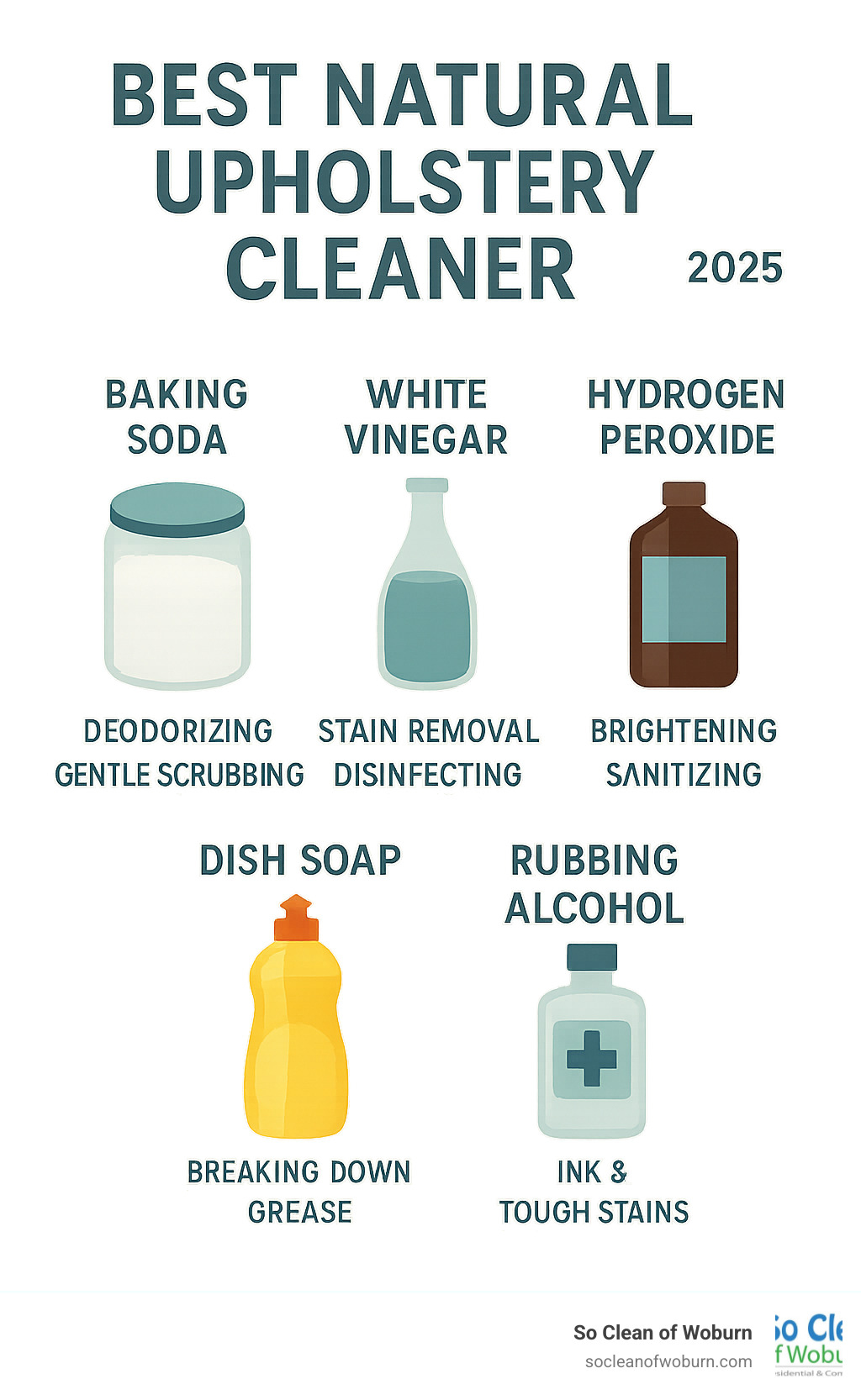
The best natural upholstery cleaner combines simple household ingredients that are safer for your family and more effective than you might think. Here are the top natural solutions that actually work:
Top Natural Upholstery Cleaning Solutions:
- All-Purpose Cleaner: 1 cup water + 1/2 cup white vinegar + 1/2 tbsp dish soap
- Brightening Cleaner: 1 cup hydrogen peroxide (3%) + 1/2 tbsp dish soap
- Stain Remover: Equal parts rubbing alcohol + white vinegar
- Deodorizer: Baking soda sprinkled on fabric, left for 15-30 minutes, then vacuumed
As one cleaning expert finded after testing 10 different homemade recipes: “I tested 10 homemade upholstery cleaner tutorials to find the best DIY solution” – and the results were clear. Natural ingredients like vinegar, baking soda, and hydrogen peroxide consistently outperformed expensive commercial cleaners.
Why go natural? Your busy schedule doesn’t need the added worry of harsh chemicals around your family and pets. Natural cleaners eliminate toxic fumes, reduce respiratory irritation, and cost a fraction of store-bought alternatives. Plus, they’re gentler on your furniture’s fibers, helping your investment last longer.
The science is simple: baking soda’s alkaline nature breaks down dirt and neutralizes odors, while white vinegar’s acidity dissolves grease and lifts stains. Together with hydrogen peroxide’s natural bleaching power, these ingredients tackle everything from coffee spills to mystery stains.
Why Choose Natural Upholstery Cleaners?
Making the switch to the best natural upholstery cleaner options isn’t just about jumping on the latest trend – it’s about making a genuinely smart choice for your home, your family, and your wallet. We’ve all stood there, staring at that mystery stain on our favorite couch, holding a bottle of chemical cleaner and wondering if we’re about to make things worse instead of better.
The health advantages of natural cleaners are hard to ignore. Unlike their chemical counterparts, natural ingredients don’t fill your living room with harsh fumes or leave you wondering what you’re breathing in. This is especially important when you consider that we spend most of our time indoors, and the air quality in our homes directly impacts our well-being.
Fabric longevity is another major win. Your beautiful sofa wasn’t cheap, and natural cleaners treat it with the gentleness it deserves. These solutions work effectively without the harsh abrasives or strong acids that can break down fibers over time, helping your furniture investment last for years to come.
And let’s talk about cost-effectiveness – the ingredients for the best natural upholstery cleaners are probably sitting in your kitchen right now. A bottle of white vinegar costs a fraction of what you’d spend on commercial cleaners, and it’ll last through dozens of cleaning sessions.
For families dealing with allergies, natural cleaners offer real relief. They’re safer for pets and children who spend time on your furniture, and they help avoid the respiratory irritation that chemical cleaners can cause. You can learn more about reducing allergens in your home and find additional insights from the Environmental Working Group on healthy cleaning.
The Problem with Chemical-Based Cleaners
Here’s the uncomfortable truth about many commercial upholstery cleaners: they’re often contributing to indoor air pollution right in your living room. Those strong chemical odors aren’t just unpleasant – they’re volatile organic compounds (VOCs) that can stick around long after you’ve finished cleaning.
Respiratory irritation is one of the most common complaints we hear. That scratchy throat or sudden coughing fit after cleaning? It’s your body’s way of saying it doesn’t appreciate those harsh fumes. People with asthma or allergies are particularly sensitive to these reactions.
Your skin isn’t a fan either. Skin irritation from direct contact with chemical cleaners can cause redness, itching, and rashes that nobody wants to deal with. And if you have delicate fabrics like silk or certain vintage upholstery, you’re risking potential damage that could be permanent.
Then there are those lingering chemical odors that seem to hang around for days, making your freshly cleaned furniture smell more like a chemistry lab than a cozy living room. For safer alternatives, check out our guide to Non-Toxic Cleaning Products.
The Eco-Friendly Advantage
Choosing natural upholstery cleaners means choosing ingredients with biodegradable properties that break down harmlessly in the environment. When you rinse out that cleaning cloth, you’re not sending harsh chemicals down the drain and into local waterways.
The reduced carbon footprint is another bonus. Instead of purchasing cleaners that required manufacturing, packaging, and shipping, you’re mixing solutions from ingredients you likely already have at home. This simple switch helps protect waterways and reduces the packaging waste that comes with constantly buying new bottles of commercial cleaners.
It’s amazing how these small changes add up to make a real difference for our environment. Every time you choose a natural solution over a chemical one, you’re casting a vote for a cleaner, healthier planet. Learn more about our commitment to sustainability in our Eco-Friendly Cleaning Products guide.
Your Natural Cleaning Toolkit: Key Ingredients and How They Work
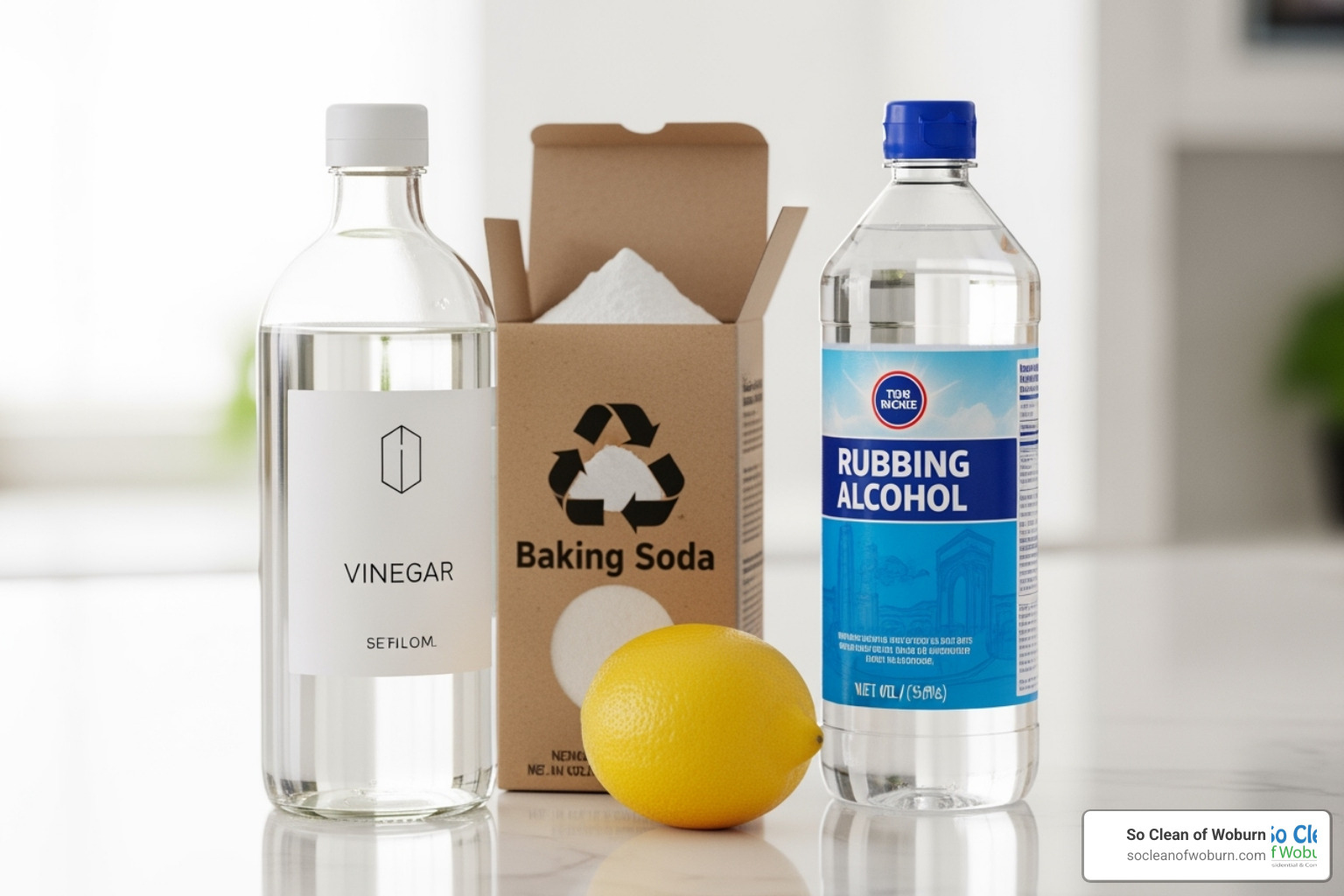
Think of your kitchen pantry as a treasure chest of cleaning power. The ingredients you need for the best natural upholstery cleaner are probably sitting right there, waiting to transform your furniture cleaning routine. These everyday household heroes pack surprising punch when it comes to tackling stubborn stains and odors.
The beauty of natural cleaning lies in understanding what each ingredient brings to the table. Baking soda acts as your gentle warrior, white vinegar becomes your acidic ally, and rubbing alcohol along with hydrogen peroxide serve as your heavy-duty backup. Don’t forget about clear dish soap for cutting through grease and a few drops of your favorite essential oils to leave everything smelling fresh.
Baking Soda: The Gentle Deodorizer and Abrasive
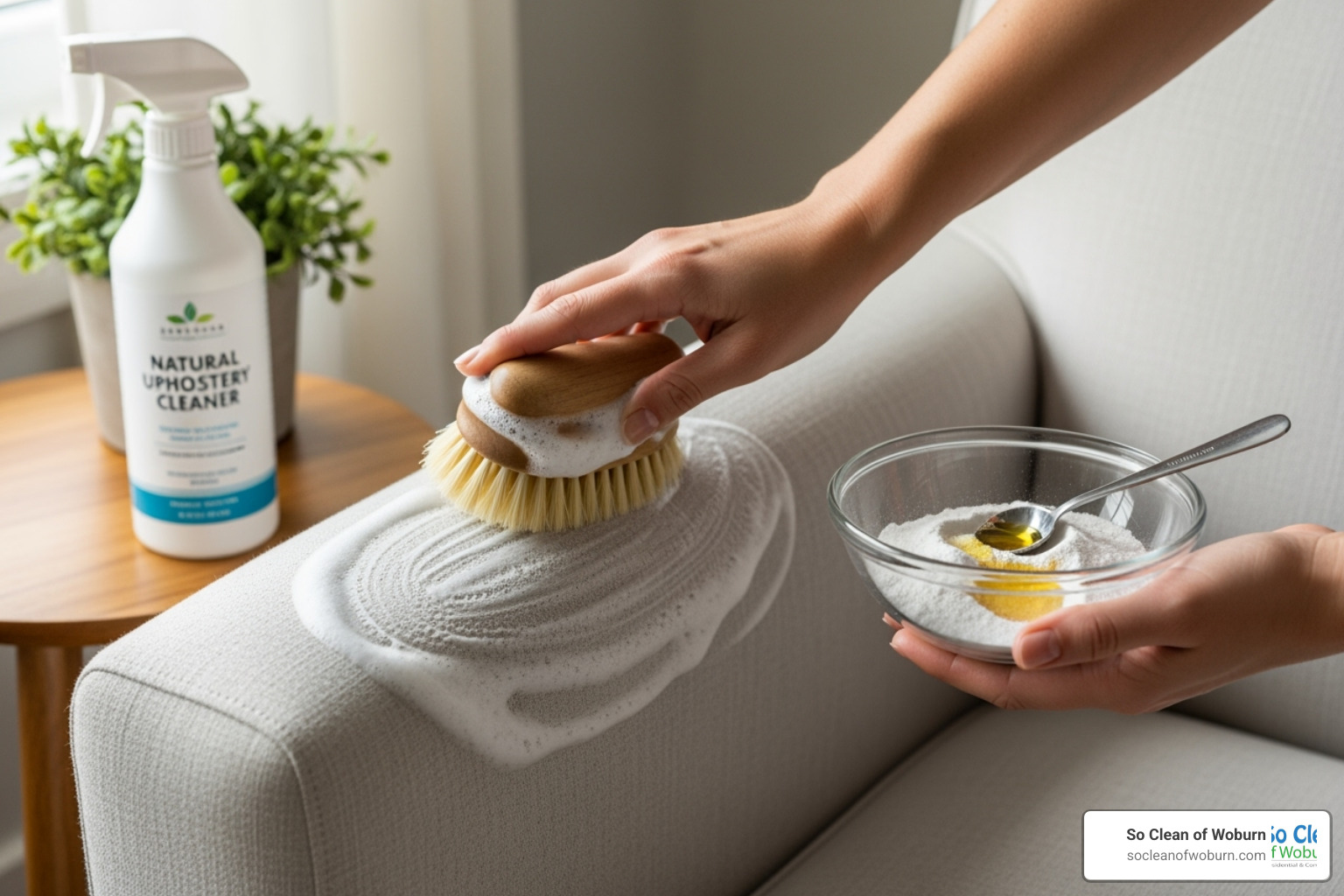
Baking soda is like that reliable friend who always has your back. Its alkaline nature makes it a natural dirt-breaker and odor-neutralizer rolled into one. When you sprinkle it generously over your upholstery and let it sit for 15-30 minutes, it works its magic by absorbing grease stains and pulling unpleasant smells right out of the fabric.
The gentle abrasive quality of baking soda means it can lift dirt without scratching or damaging delicate fibers. It’s particularly fantastic for refreshing older furniture or dealing with those mysterious pet odors that seem to linger no matter what you try. Simply vacuum it up after letting it work, and you’ll be amazed at the difference.
White Vinegar: The Acidic Stain Fighter
White vinegar might smell strong at first, but don’t let that fool you – it’s one of nature’s most effective cleaning agents. Its acidic properties make it exceptional at dissolving grease and lifting stains that other cleaners struggle with. The acid breaks down mineral deposits, soap scum, and organic stains in ways that gentle cleaners simply can’t match.
What makes vinegar even more valuable is how it eliminates odors rather than just masking them. While it’s not technically classified as a disinfectant by the FDA (since it doesn’t kill 99.9% of germs), it does effectively eliminate common bacteria like Salmonella and E. coli. The vinegar smell disappears completely as it dries, leaving your upholstery fresh and clean.
Rubbing Alcohol & Hydrogen Peroxide: The Potent Stain Removers
When you’re facing the tough stuff – think ink stains or set-in spots – rubbing alcohol and hydrogen peroxide step up as your cleaning cavalry. Rubbing alcohol’s solvent properties make it incredibly effective for ink stain removal. Just dab it onto the mark with a cotton ball, and watch the ink lift away like magic.
Hydrogen peroxide (stick with the 3% solution from your medicine cabinet) works as a natural bleaching agent that’s perfect for light-colored fabrics. Its disinfecting properties help eliminate bacteria and odors at their source. However, here’s where caution becomes your best friend – always test hydrogen peroxide on a hidden area first, especially on dark or colored fabrics, since it can cause unexpected bleaching. When used properly, it’s incredibly effective at brightening and sanitizing your upholstery naturally.
Crafting the Best Natural Upholstery Cleaner: Recipes and Application
Now that we know our ingredients, let’s get to mixing! Before applying any cleaner, homemade or otherwise, it’s absolutely crucial to understand your upholstery’s fabric codes. These tiny tags (often hidden on cushions or underneath the furniture) tell you how to safely clean your piece.
Understanding Upholstery Cleaning Codes:
- W (Water-based): You can use water-based cleaners like our DIY recipes. This is the most common code for household furniture.
- S (Solvent-based): Only use water-free solvent cleaners. Water can cause stains or damage. Rubbing alcohol can sometimes be used for spot cleaning, but proceed with extreme caution.
- WS (Water or Solvent-based): You have the flexibility to use either water-based or solvent-based cleaners.
- X (Vacuum Only): This means no liquid cleaners at all. Only vacuuming is recommended, and professional cleaning is often the only option for deep cleaning.
Always, always, always perform a patch test! Apply a small amount of your chosen cleaner to an inconspicuous area (like the back or underside of a cushion) and let it dry completely. Check for any discoloration, shrinking, or water spots before proceeding with a larger area. This simple step can save you a lot of heartache!
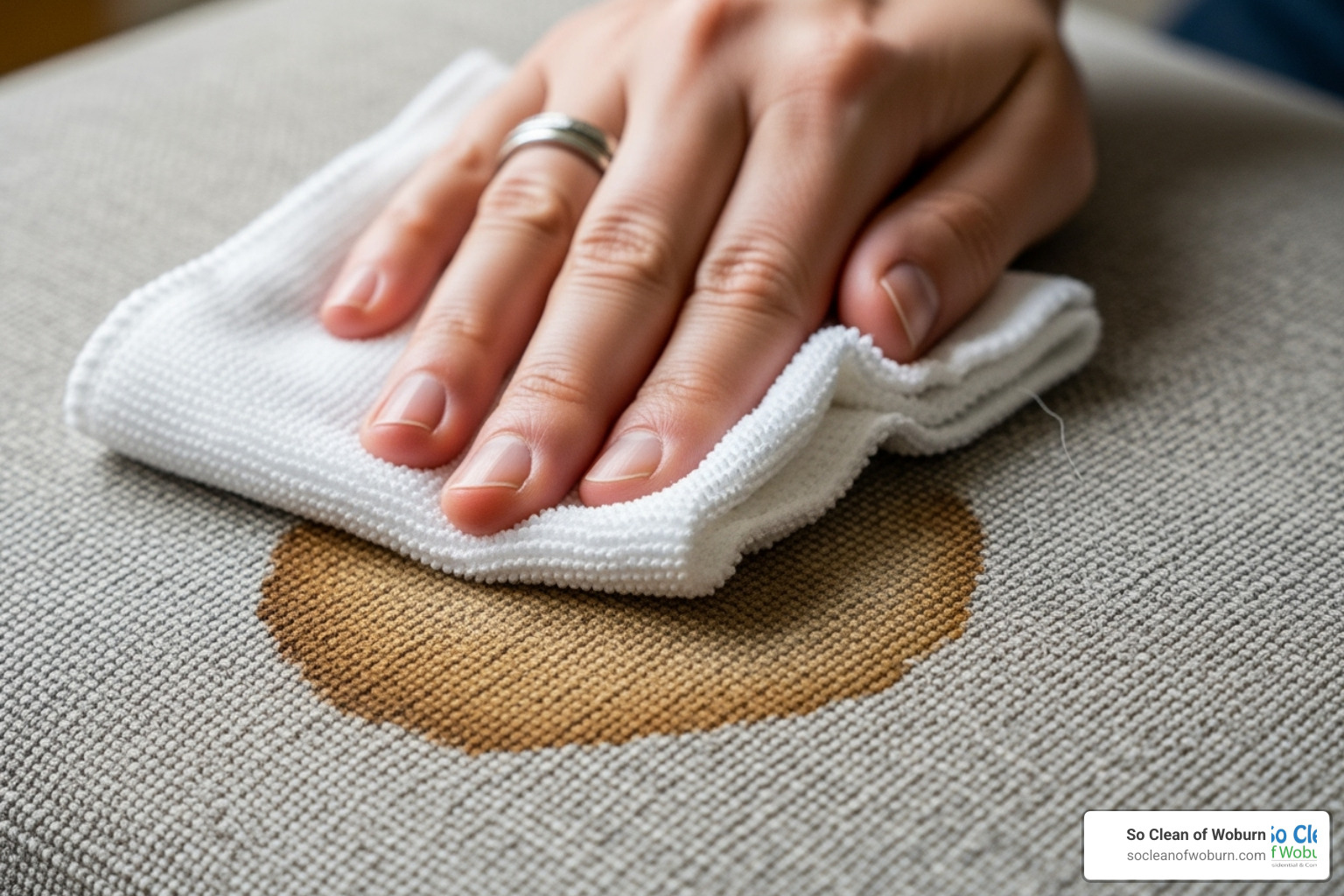
When applying, remember to blot, not rub. Rubbing can push the stain deeper into the fabric and damage the fibers. Instead, gently dab the solution onto the stain, working from the outside in.
Our Top Recipe for the Best Natural Upholstery Cleaner (For ‘W’ or ‘WS’ Fabrics)
This all-purpose cleaner is our go-to for most fabric upholstery and is incredibly effective for general cleaning and light stains.
Ingredients:
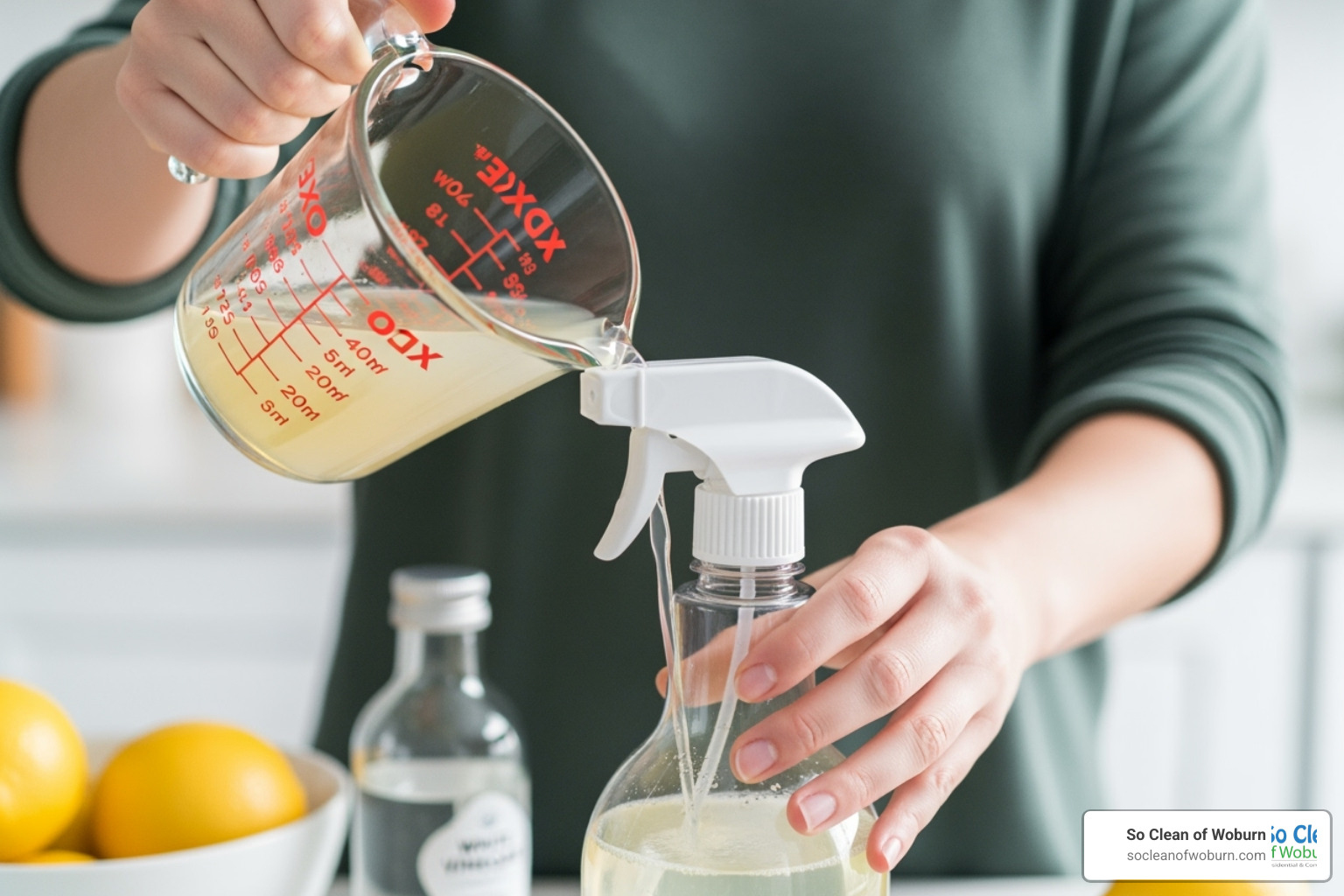
- 1 cup warm water
- 1/2 cup white vinegar
- 1/2 tablespoon clear dish soap (like Dawn or a natural, clear dish soap)
Mixing Instructions:
Combine all ingredients in a spray bottle. Shake gently to mix.
Application:
- Vacuum the upholstery thoroughly to remove loose dirt and debris.
- Lightly mist a clean microfiber cloth with the solution (do not spray directly onto the upholstery to avoid oversaturation).
- Gently dab and wipe the affected area, working in small sections. Re-mist your cloth as needed.
- For tougher spots, you can apply the solution directly to the stain, let it sit for a few minutes, then blot with a clean, damp cloth.
- Use a separate clean, damp cloth (moistened with plain water) to blot away any residue.
- Allow the upholstery to air dry completely, ideally with good ventilation.
DIY Brightening Cleaner for Light-Colored Upholstery
For those light-colored sofas that have lost their luster, this brightening solution can work wonders.
Ingredients:
- 1 cup hydrogen peroxide (3%)
- 1/2 tablespoon clear dish soap
Mixing Instructions:
Combine ingredients in a spray bottle. Shake gently.
Cautions for Dark Fabrics:
Hydrogen peroxide is a mild bleaching agent. While generally safe, it can lighten or discolor darker fabrics. Always perform a patch test on an inconspicuous area first, and if you have any doubts, stick to the all-purpose cleaner.
How to Lift Dirt and Brighten Fabric:
- Vacuum the upholstery thoroughly.
- Lightly mist the stained or dull area with the brightening solution.
- Allow it to sit for 5-10 minutes.
- Gently blot with a clean microfiber cloth. You’ll often see dirt transfer onto the cloth.
- Blot with a separate clean, damp cloth (plain water) to remove residue.
- Let it air dry completely. This method is also great for giving your carpets a refresh. Check out our tips for Healthy Carpet Care.
Tackling Tough Stains with the Best Natural Upholstery Cleaner Methods
Some stains require a targeted approach. Here’s how to use natural cleaners for common culprits:
Coffee and Tea Stains:
Mix a tablespoon of clear dish soap with two cups of warm water. Use a clean cloth dampened with this solution to blot the stain, working from the outside in. Follow up with a clean, damp cloth moistened with plain water to rinse.
Grease and Oil Stains:
Sprinkle a generous amount of baking soda directly onto the grease stain. Baking soda absorbs oil. Let it sit for several hours, or even overnight, to fully absorb the grease. Then, simply vacuum up the baking soda. If a residue remains, follow up with our all-purpose cleaner recipe.
Ink Marks:
Rubbing alcohol is your best friend here. Dampen a cotton ball or a clean white cloth with rubbing alcohol. Gently dab the ink stain, being careful not to rub, which can spread the ink. Continue dabbing with fresh areas of the cloth or new cotton balls until the ink is gone. Finish by blotting with a clean, damp cloth.
Pet Stains (Urine/Vomit):
For fresh stains, blot up as much liquid as possible immediately. Then, saturate the area with a solution of equal parts white vinegar and water. Let it sit for 10-15 minutes, then blot thoroughly. Once dry, sprinkle a generous amount of baking soda over the area to absorb lingering odors. Let it sit for several hours or overnight, then vacuum. For older or deeply set pet stains, consider a natural enzymatic cleaner (available commercially) as enzymes are specifically designed to break down organic matter and odors.
The Complete How-To Guide: From Prep to Perfection
Creating the best natural upholstery cleaner results isn’t just about mixing the right ingredients—it’s about following the right process. Think of this as your roadmap to professional-looking results without the professional price tag.
The secret to success lies in the preparation. Vacuuming first with your upholstery attachment removes all the loose dirt, crumbs, and pet hair that could turn into muddy streaks once you introduce moisture. This simple step makes your cleaning solution far more effective.
When it comes to application, working in small sections is your best friend. Don’t try to tackle an entire sectional sofa at once! Focus on one cushion or armrest at a time. This approach prevents over-saturation and gives you better control over the cleaning process.
Avoiding over-saturation is crucial for protecting your furniture’s internal structure. Too much moisture can seep into the padding, causing mold, mildew, or even damage to the wooden frame. Our natural recipes are designed to be effective with minimal liquid, so trust the process.
Proper drying techniques make all the difference between fresh, clean upholstery and that musty smell we all want to avoid. Good ventilation is key—open windows, point a fan toward the cleaned area, or run a dehumidifier. The faster your furniture dries, the better the results.
Once everything’s completely dry, fluffing the fibers with a soft brush or quick vacuum helps restore the fabric’s original texture and appearance.
Step 1: Decode Your Furniture’s Care Tag
This step is absolutely non-negotiable—and I can’t stress this enough! That little care tag tucked away under your cushions or on the furniture’s underside is like a secret code that tells you exactly how to clean your piece safely.
W codes mean water-based cleaners are safe—perfect for our DIY natural solutions. S codes require solvent-based cleaners only, which means our water-based recipes are off-limits (though rubbing alcohol might work for spot treatments). WS codes give you the flexibility to use either water or solvent-based cleaners. And X codes? That’s vacuum-only territory, where liquids are strictly forbidden.
Ignoring this tag is like cooking without reading the recipe—you might get lucky, or you might end up with a disaster. Water rings, fabric shrinkage, and permanent discoloration are real risks when you use the wrong cleaning method.
Step 2: The All-Important Patch Test
Even with the right cleaning code, a patch test is your insurance policy against cleaning catastrophes. Find a hidden spot—maybe behind a cushion or along the furniture’s back edge where no one will notice.
Apply just a tiny dab of your chosen cleaner and let it work its magic. Then comes the hardest part: waiting for it to dry completely. This might take several hours, but patience pays off here.
Once dry, examine the test area carefully. Look for any color changes, water spots, or texture differences. If everything looks perfect, you’re ready to proceed with confidence. If not, it’s time to try a different approach or call in the professionals.
Step 3: Cleaning and Maintenance
Now for the satisfying part! Start with a thorough vacuum using your upholstery attachment—this removes surface debris that could interfere with your cleaning solution’s effectiveness.
Work methodically in small sections, keeping your cloth lightly dampened rather than soaking wet. We’re aiming for clean, not soggy. Using a dry brush for loose dirt between cleanings helps maintain your furniture between deep cleaning sessions.
Regular vacuuming and immediate spill blotting are your best defenses against stubborn stains. The sooner you address spills, the easier they are to remove completely.
Creating a maintenance schedule doesn’t have to be complicated—vacuum weekly, address spills immediately, and do a deeper clean monthly or as needed. This routine keeps your furniture looking its best and extends its lifespan significantly.
For more comprehensive home care strategies that complement your upholstery cleaning efforts, check out our guide to Healthy Home Cleaning.
Frequently Asked Questions about Natural Upholstery Cleaning
When it comes to using the best natural upholstery cleaner recipes at home, we hear the same questions over and over again. And honestly, we love that people are asking! It shows you’re being thoughtful about your cleaning approach, which is exactly what we want to see.
Can I use these natural cleaners on my car’s upholstery?
Absolutely! Your car’s upholstery can benefit from natural cleaning just as much as your living room sofa. Most automotive fabrics are designed to handle water-based cleaners (they’re typically ‘W’ or ‘WS’ coded), so our DIY recipes should work beautifully.
But here’s the thing – and we can’t stress this enough – fabric type matters. Car manufacturers use all sorts of materials, from basic polyester blends to fancy microfiber weaves. What works on one might not work on another.
Test on a hidden area first, just like you would at home. Try the underside of a seat or a spot that’s usually covered by floor mats. And here’s a pro tip: ensure good ventilation for drying when you’re cleaning your car. Crack those windows, open the doors, and maybe even point a small fan toward the interior. The last thing you want is a musty smell developing because moisture got trapped inside.
How do I get rid of the vinegar smell after cleaning?
We get it – nobody wants their beautiful, freshly cleaned sofa smelling like a pickle jar! The good news is that vinegar’s strong scent is actually a sign that it’s working hard to eliminate other odors. Even better news? The odor dissipates as it dries.
White vinegar’s smell comes from acetic acid, which evaporates as the fabric dries. Use a fan to speed up drying – the faster your upholstery dries, the quicker that vinegar smell disappears. We’ve found that most people notice the smell is completely gone within a few hours.
If you want to be proactive about the scent, add a few drops of essential oil to your cleaning mix. Lavender and lemon are fantastic choices that complement vinegar’s cleaning power while adding a pleasant fragrance. Just make sure you’re using pure essential oils and test for any color changes first.
Once everything’s completely dry, you can lightly spritz with a fabric refresher spray if you want an extra burst of freshness. A simple mix of water, a splash of rubbing alcohol, and your favorite essential oil works wonderfully.
What if my upholstery is ‘S’ or ‘X’ coded?
Ah, the tricky codes! These require a completely different approach than our water-based natural cleaners.
‘S’ code requires a solvent-based cleaner, which means our vinegar and dish soap recipes are off the table. Water can actually damage these fabrics, causing stains or permanent discoloration. Rubbing alcohol can work for spot treatments – it’s great for ink stains on ‘S’ coded fabrics – but always test carefully first.
‘X’ code means vacuum-only, and we really mean only. No liquids whatsoever should touch these fabrics. It might seem limiting, but regular vacuuming with a good upholstery attachment can actually keep these pieces looking great for years.
For deep cleaning ‘S’ or ‘X’ coded furniture, professional help is recommended. These fabrics often require specialized solvents and techniques that go beyond what’s safe to DIY at home. Trust us – we’ve seen too many well-intentioned cleaning attempts go wrong on delicate fabrics. When in doubt, it’s always better to call in the experts than risk damaging a piece you love.
Conclusion
Taking care of your upholstery with natural cleaners isn’t just a smart choice – it’s an empowering one. You’ve finded how simple ingredients from your kitchen can transform stubborn stains and refresh tired furniture, all while keeping your family safe from harsh chemicals. The best natural upholstery cleaner solutions we’ve shared prove that effective cleaning doesn’t require a chemistry degree or expensive products.
The benefits speak for themselves: healthier indoor air for your family, gentler treatment for your furniture fabrics, and significant cost savings compared to commercial cleaners. Plus, you’re doing your part for the environment by choosing biodegradable ingredients that won’t harm waterways or contribute to packaging waste.
Whether you’re tackling a fresh coffee spill with our vinegar solution or refreshing an entire sofa with baking soda, you now have the confidence to handle most upholstery challenges. The satisfaction of seeing your favorite armchair look like new again – using ingredients you trust – is truly rewarding.
| Feature | DIY Cleaning (Natural) | Professional Cleaning |
|---|---|---|
| Cost | $5-20 for multiple cleanings | $150-550 per piece |
| Effectiveness | Excellent for regular maintenance and most stains | Superior for deep cleaning and stubborn, set-in stains |
| Convenience | Clean anytime, ingredients always available | Requires scheduling, may need to wait days |
Of course, some situations call for professional expertise. For stubborn stains that won’t budge, delicate antique fabrics, or when you simply want the peace of mind that comes with professional equipment and experience, the specialists at So Clean of Woburn provide expert Green House Cleaning Services. They understand the value of natural, eco-friendly approaches and can handle even the most challenging upholstery cleaning tasks safely and effectively.
The key to beautiful upholstery is consistency. Regular vacuuming, immediate attention to spills, and periodic deep cleaning with your natural solutions will keep your furniture looking its best for years to come. Your sofa – and your family – will thank you for choosing the natural path.
Like us on Facebook!