
More Than Just a Tidy-Up: Understanding End of Lease Cleaning
End of lease cleaning is a comprehensive deep cleaning process that tenants must complete before vacating a rental property to restore it to its original condition and secure their security deposit return.
Key Points About End of Lease Cleaning:
- Purpose: Return property to move-in condition, minus normal wear and tear
- Scope: Covers all rooms, appliances, fixtures, and often outdoor areas
- Requirement: Usually mandatory per lease agreements to get full deposit back
- Standards: Must meet landlord’s expectations based on initial property condition
- Options: Can be done DIY or through professional cleaning services
Moving out of a rental property involves much more than packing boxes and hiring a truck. The final step – end of lease cleaning – can make the difference between getting your full security deposit back or facing costly deductions.
Research shows that end-of-tenancy cleaning can prevent most security deposit disputes between landlords and tenants. For busy professionals juggling work and family responsibilities, this thorough cleaning process can feel overwhelming, especially when you’re already stressed about coordinating a move.
The stakes are high. Landlords can legally deduct cleaning costs from your deposit if the property isn’t returned in acceptable condition. On the flip side, a spotless handover protects your deposit and leaves a positive impression for future rental references.
As Bill McGrath, owner of So Clean of Woburn, I’ve helped countless tenants in Massachusetts and New Hampshire steer the end of lease cleaning process successfully. With years of experience in residential cleaning, I’ve seen how proper end of lease cleaning preparation can save tenants hundreds of dollars in deposit deductions while giving them peace of mind during an already stressful time.
Landlord vs. Tenant: Decoding the Responsibilities
Picture this: you’re standing in your soon-to-be-former apartment, wondering if that tiny scuff mark on the wall will cost you part of your security deposit. Meanwhile, your landlord is hoping the next tenant won’t run away screaming from a less-than-spotless kitchen. The truth is, end of lease cleaning responsibilities can feel murky, but they don’t have to be.

The foundation of who does what lies right in your lease agreement. This isn’t just boring legal paperwork – it’s your roadmap to getting that security deposit back. In Massachusetts, security deposit laws are crystal clear about when landlords can keep your money and when they can’t.
Here’s where many tenants and landlords go wrong: they skip the documentation step. Smart landlords take detailed photos and notes during move-in, creating a baseline for what “clean” looks like. This protects everyone involved and prevents those awkward “he said, she said” moments during move-out.
The golden rule? Communication is key. When expectations are clear from day one, everyone wins. Documenting the property’s condition prior to a tenant’s occupancy isn’t just smart – it’s essential protection for both parties.
Tenant’s Role: Returning the Property to its Original State
As a tenant, your mission is straightforward but not necessarily simple: return the property to the same condition you found it in, minus normal wear and tear. Think of it as hitting the “reset” button on your rental.
Your cleaning obligation goes beyond a quick vacuum and wipe-down. We’re talking about a thorough, deep clean that covers every surface, appliance, and forgotten corner. But cleaning is just part of the equation.
Repairing damages that go beyond normal use is also your responsibility. That means patching holes from your wall-mounted TV, fixing the cabinet door your teenager accidentally broke, or replacing the light fixture that mysteriously stopped working after that enthusiastic celebration last month.
Before you even touch a cleaning cloth, removing all personal belongings is crucial. You’d be surprised how many tenants forget items in closets, basements, or that mysterious storage area they never used.
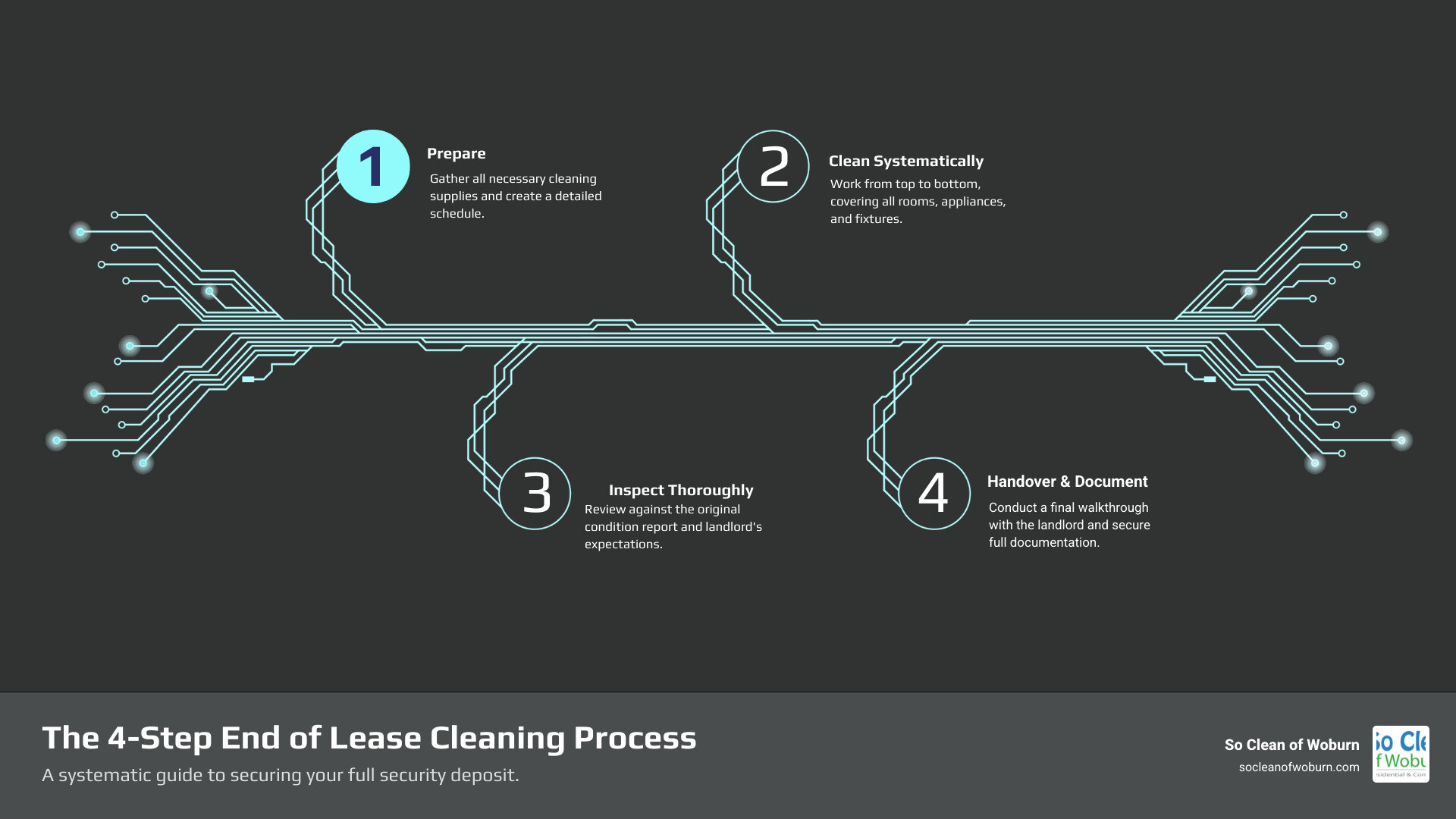
Following a checklist keeps you organized and ensures you don’t miss anything important. The final walkthrough with your landlord gives both of you a chance to address any concerns before keys change hands.
Landlord’s Role: Setting Clear Expectations
Landlords aren’t just passive observers in the end of lease cleaning process. They have important responsibilities too, starting long before move-out day arrives.
Providing a clean property initially sets the standard for what tenants should return. If you moved into a place with a grimy oven and stained carpets, your landlord can’t suddenly expect restaurant-quality cleanliness when you leave.
Defining ‘reasonably clean’ should happen upfront, ideally with specific examples and standards. Vague expectations lead to disputes, and nobody wants that headache.
The final inspection process should be thorough but fair, preferably with the tenant present. This transparency helps prevent misunderstandings and gives everyone a chance to address issues on the spot.
Massachusetts law requires the timely return of security deposits – landlords have 30 days to return your deposit or provide an itemized list of deductions, assuming they have your forwarding address.
What is ‘Normal Wear and Tear’?
This is where things get interesting – and where most deposit disputes begin. Normal wear and tear refers to the natural aging that happens when people actually live in a space. It’s the difference between “lived-in” and “damaged.”
Think of normal wear and tear as the property’s natural aging process. Minor scuffs from moving furniture, faded paint from years of sunlight, worn carpet in high-traffic areas, and loose door handles from regular use all fall into this category.
Tenant-caused damage is different. We’re talking about large holes in walls, broken fixtures, excessive stains, or missing appliances. These result from accidents, neglect, or misuse rather than normal living.
Here’s the key point: landlords must absorb the costs of normal wear and tear. They cannot legally deduct these expenses from your security deposit in Massachusetts. However, if the damage goes beyond normal use, that’s when deductions come into play.
The best protection? Document everything at both move-in and move-out. Photos don’t lie, and they can save you hundreds of dollars in disputed charges.
The Ultimate End of Lease Cleaning Checklist
Time to roll up your sleeves and tackle the real work! Whether you’re planning to handle the end of lease cleaning yourself or want to understand what professional cleaners will do, having a comprehensive checklist is absolutely essential. Think of it as your roadmap to getting that security deposit back in full.

Before you even pick up a sponge, preparation is absolutely key to success. The first step is to declutter your home completely – pack up all your belongings and get them out of the way. You can’t properly clean around boxes and furniture, so an empty space is your best friend here.
Once everything’s cleared out, work systematically from top-to-bottom in each room. This prevents dust and debris from falling onto already-cleaned surfaces. Don’t forget those sneaky hidden spots that landlords always seem to check – inside kitchen drawers, behind appliances, and along those dusty skirting boards that everyone overlooks.
General & All Rooms
Every room in your rental needs attention, and there are certain tasks that apply universally throughout the property. Starting with the walls, you’ll want to spot clean any visible marks, scuffs, or stains that have accumulated during your tenancy. If you painted any walls a different color from the original, be prepared to repaint them back to match the initial condition.
Your skirting boards need a thorough dusting and wiping down – these collect more grime than you’d expect. For windows, clean the panes inside and out where accessible, plus don’t forget the sills and tracks which can harbor surprising amounts of dirt. If there are blinds or curtain rails, these need cleaning too.
Light fixtures and ceiling fans should be dusted and wiped clean, along with any air vents. Every door and doorframe throughout the property needs attention, including handles which can get surprisingly grimy from daily use. Light switches and electrical outlets should be wiped down and disinfected – these high-touch areas show dirt easily.
Take a walk around with a flashlight to hunt down cobwebs in ceiling corners and high areas. Finally, floors need comprehensive attention – vacuum all carpets thoroughly, and sweep and mop all hard surfaces whether they’re wood, tile, or laminate.
Kitchen Deep Clean
The kitchen typically demands the most intensive cleaning during your end of lease cleaning process, and for good reason. Grease, food splatters, and daily cooking create layers of grime that require serious attention.
Your oven is often the most challenging task – it needs degreasing and deep cleaning inside and out, including the racks and that glass door that probably hasn’t been properly cleaned in months. The stovetop and range hood require cleaning of all burners, grates, and surfaces, plus cleaning or replacing the range hood filter.
The refrigerator and freezer should be completely emptied, with all shelves, drawers, and interior surfaces wiped down. Don’t forget the exterior, including the top and sides that collect dust. Your dishwasher needs interior cleaning including the filter, plus exterior wiping.
All cabinets and drawers need attention both inside and out – crumbs and spills have a way of accumulating in unexpected places. Countertops and backsplash areas should be wiped and sanitized to remove cooking residue. Finally, clean and sanitize the sink and faucet, removing any limescale buildup and polishing fixtures to shine.
Bathroom Sanitization
Bathrooms require thorough sanitization to meet hygiene standards and remove the soap scum, mold, and mineral deposits that naturally accumulate in these high-moisture environments.
Your toilet needs comprehensive attention – bleach and deep clean inside and out, including the base, bowl, and tank using a toilet brush and disinfectant. The shower and tub require scrubbing to remove all soap scum and any mold growth. Pay special attention to how to get rid of hard water stains on fixtures and glass doors.
Grout and tiles need deep cleaning – use an old toothbrush to scrub grout lines and remove any mold that might have developed. Mirrors and vanity units should be cleaned for streak-free results, with vanity storage cleaned inside and out. Don’t overlook the exhaust fan cover, which collects dust and moisture over time.
Finally, clean the sink and taps thoroughly, using vinegar or lemon juice for extra shine and effective limescale removal. These finishing touches make a significant difference in the overall impression of cleanliness.
End of Lease Cleaning: DIY or Professional Service?
When you’re staring at that comprehensive end of lease cleaning checklist, a crucial question emerges: should you roll up your sleeves and tackle it yourself, or call in the professionals? It’s one of those decisions that keeps many tenants up at night, weighing time against money, and effort against peace of mind.
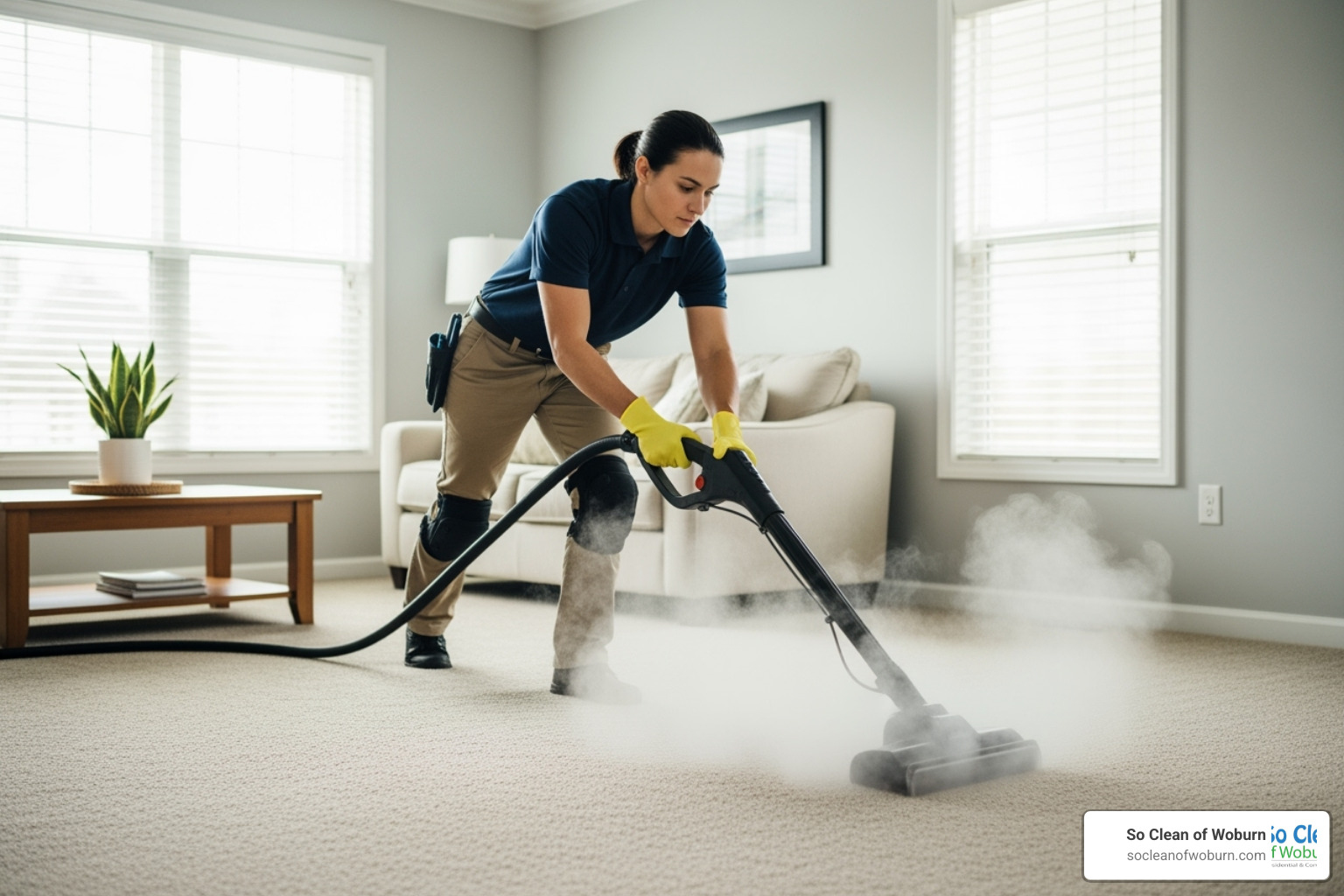
The reality is that moving is already exhausting. Between coordinating movers, changing addresses, and saying goodbye to neighbors, the last thing you want is to spend your final weekend scrubbing baseboards until 2 AM. Professional cleaning services in the Greater Boston area and southern New Hampshire understand this stress and bring something invaluable to the table: specialized equipment, expertise, and most importantly, a satisfaction guarantee.
Think about it – when was the last time you deep-cleaned an oven or knew exactly how to remove hard water stains from shower doors? Professional cleaners do this every day. They know which products work best on different surfaces and have industrial-grade equipment that can tackle years of built-up grime in a fraction of the time it would take you.
The DIY Approach
Let’s be honest – the biggest appeal of doing your own end of lease cleaning is saving money upfront. If you’re handy with a mop and have a relatively small, well-maintained property, the DIY route might work for you.
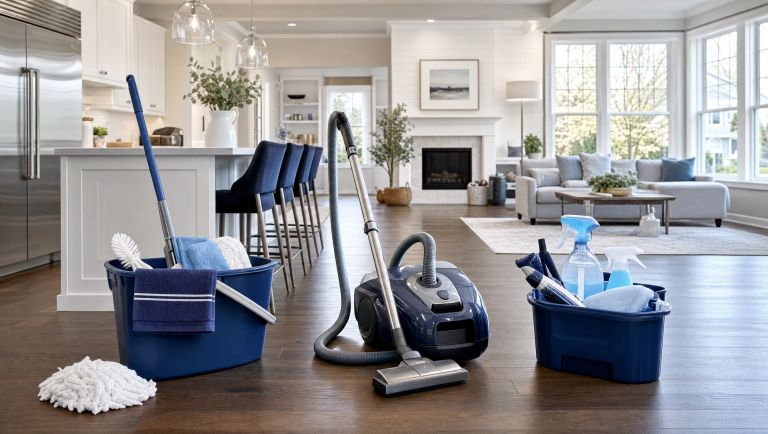
You’ll need to gather quite an arsenal of supplies though. We’re talking all-purpose cleaners, glass cleaners, disinfectants, floor cleaners, bathroom cleaners, sponges, scrub brushes, microfiber cloths, mops, brooms, vacuum cleaner, buckets, trash bags, gloves, and maybe even a window squeegee. That shopping list alone can run you $50 to $200, and that’s before you consider renting specialized equipment like a carpet steamer.
But here’s where the DIY approach gets tricky. It’s incredibly time-consuming – we’re talking 8 to 24+ hours depending on your property size and condition. And unlike your regular weekly cleaning routine, this needs to be absolutely thorough. Miss one greasy spot behind the stove or forget to clean inside the refrigerator drawers, and you might face deductions from your security deposit anyway.
The biggest risk? There’s no guarantee your efforts will meet your landlord’s exact standards. What looks clean to you might not pass their inspection, especially if they’re comparing it to professional-level results from previous tenants.
When to Consider Professional End of Lease Cleaning
Sometimes hiring professionals isn’t just convenient – it’s the smart financial move. Professional cleaning teams are experts in move-out cleans, and they know exactly what landlords and property managers in Massachusetts and southern New Hampshire expect to see.
Consider calling in the pros if you’re dealing with a large property. Cleaning a multi-bedroom house or apartment is genuinely overwhelming for one or two people, especially when you’re already exhausted from packing and moving logistics.
If there’s significant dirt or grime buildup, professionals have the industrial-grade products and expertise to tackle stubborn stains, grease, and mold that household cleaners simply can’t handle. They’ve seen it all before and know exactly which techniques work.
Time and energy constraints are probably the most common reasons people choose professional services. Moving is stressful enough without adding a full day of intensive scrubbing to your to-do list. When you’re juggling work, family, and coordinating a move, outsourcing the cleaning can be a genuine lifesaver.
Most importantly, if you want to ensure landlord satisfaction and maximize your security deposit return, professionals understand the standards expected. At So Clean of Woburn, for instance, we use checklists specifically designed around what property managers look for during final inspections.
Cost Considerations for End of Lease Cleaning
Let’s talk numbers, because understanding the real costs helps you make the best decision for your situation.
| Factor | DIY Approach | Professional Service |
|---|---|---|
| Costs | Supplies: $50 – $200 (cleaners, tools, etc.) Equipment Rental (e.g., carpet steamer): $50 – $150 | Flat rates for move-out cleaning in the Boston area and southern New Hampshire can range from $250 to over $1,000 depending on property size and condition. |
| Time Invested | 8-24+ hours (depending on property size/condition) | 3-8 hours (for the cleaning team) |
| Effort | High physical and mental exertion | Minimal effort from tenant |
| Guarantee | None | Many companies offer a satisfaction guarantee (e.g., re-clean if landlord is not satisfied) |
| Risk | Potential for missed spots, security deposit deductions | Low risk, high chance of full security deposit return |
Here’s the thing many people don’t consider: your time has value too. If you’re spending 16 hours cleaning instead of working, relaxing, or helping your family settle into your new home, what’s that really costing you?
Plus, there’s the peace of mind factor. Professional end of lease cleaning services typically offer satisfaction guarantees. If your landlord isn’t happy with something, they’ll come back and fix it at no extra charge. Try getting that kind of assurance from your own elbow grease!
When you factor in the stress reduction, the time savings, and the significantly higher chance of getting your full security deposit back, professional cleaning often pays for itself. Sometimes the best investment you can make is in your own sanity during an already chaotic time.
Frequently Asked Questions about End of Lease Cleaning
Moving out can feel like navigating a maze of questions, and end of lease cleaning often tops the list of tenant concerns. After years of helping families in Massachusetts and southern New Hampshire with their move-out cleaning, I’ve heard just about every question imaginable. Let me share the answers to the ones that come up most often.
Do I have to get carpets professionally steam cleaned?
Ah, the carpet question! This one keeps me busy, and honestly, the answer isn’t always black and white. Your lease agreement is your best friend here – it should spell out exactly what’s expected when you move out.
Many leases in the Greater Boston area do require professional carpet cleaning, especially if you had pets. Those pet clauses exist for good reason – pet odors and dander need specialized treatment that goes beyond regular vacuuming. Even the most well-behaved furry friend leaves traces that only professional equipment can fully address.
But here’s where it gets interesting: if your lease doesn’t specifically mention carpet cleaning, you’re typically only responsible for returning the carpets to their original condition, accounting for normal wear and tear. Think of it this way – carpets naturally flatten and show some dulling over time from regular foot traffic. That’s expected and normal.
However, if you’ve got visible stains, excessive dirt buildup, or lingering odors, professional cleaning becomes pretty much mandatory. When it comes to Massachusetts tenant law, forcing tenants to professionally clean carpets without justification (like actual stains or pet damage) can sometimes cross legal lines.
My advice? Check your lease first, then take an honest look at your carpets. When in doubt, a quick call to your landlord can save you headaches later.
How clean is ‘reasonably clean’?
If I had a dollar for every time someone asked me this, I’d probably own a cleaning empire by now! “Reasonably clean” is frustratingly vague, but there are some practical ways to think about it.
The golden rule is simple: your rental should be ready for the next tenant to move in without needing another deep clean. It doesn’t need to sparkle like a show home, but it should definitely look like someone put real effort into cleaning it.
Here’s how I explain it to my clients: refer back to that initial condition report from when you moved in. Those photos and notes aren’t just paperwork – they’re your cleaning roadmap. If the kitchen had some minor scuffs when you arrived, your landlord can’t suddenly demand perfection when you leave.
Reasonably clean means no significant dirt, dust, or grime buildup anywhere in the property. Bathrooms should be free of soap scum and mold. Kitchens need to be grease-free with clean appliances. Floors should be properly vacuumed and mopped. And of course, all your personal belongings and trash should be completely gone.
The test I always suggest? Would you be comfortable moving into this space yourself? If the answer is yes, you’re probably in good shape.
What happens if the landlord is not satisfied with my cleaning?
Even with the best intentions (and sometimes even professional cleaning), landlords occasionally express dissatisfaction. Don’t panic – you have rights and options.
First, dig out your documentation. Remember those move-in photos and your lease agreement? This is their moment to shine. Your evidence is your strongest defense against unfair claims.
Next, ask for specifics. A vague “it’s not clean enough” doesn’t cut it. Request an itemized list of exactly what needs attention and why they believe it exceeds normal wear and tear. Good landlords will provide this without hesitation.
If you believe the complaints are unfair, Massachusetts tenant law protects you. You can formally dispute deductions by writing a letter explaining your position and providing your evidence. Keep copies of everything – every email, every photo, every receipt.
Communication often resolves most issues before they escalate. Sometimes landlords have different expectations, and an honest conversation can bridge that gap. However, if an agreement can’t be reached, small claims court remains an option, though it’s rarely necessary when you have proper documentation.
The key to avoiding these situations? Thorough documentation and following a comprehensive cleaning checklist. When you can prove you’ve met your obligations, most disputes resolve quickly in your favor.
Conclusion: A Clean Slate for a Fresh Start
Moving out doesn’t have to end with crossed fingers and security deposit anxiety. As we’ve explored throughout this guide, end of lease cleaning represents much more than a final chore – it’s your gateway to a smooth transition and financial peace of mind.
For tenants, the benefits of thorough end of lease cleaning extend far beyond just getting your deposit back. A full deposit return can mean hundreds or even thousands of dollars back in your pocket – money that’s especially valuable when you’re facing moving expenses and new rental deposits. Equally important is securing a good reference from your landlord, which can make all the difference when applying for your next rental in today’s competitive market.
Landlords benefit just as much from this process. A properly cleaned property means faster re-renting without delays for deep cleaning or repairs. It also provides crucial property protection, ensuring that small issues don’t snowball into costly problems down the road.
The value of a thorough clean cannot be overstated. It transforms what could be a stressful, dispute-filled departure into a professional handover that leaves everyone satisfied. Whether you tackle the job yourself or bring in professionals, the investment in time or money pays dividends in avoided headaches and preserved relationships.
For those facing a move in Massachusetts or southern New Hampshire, you don’t have to steer this process alone. For a guaranteed, stress-free move-out, consider the experts at So Clean of Woburn. We understand the high standards that landlords and property managers expect throughout the Greater Boston area, and our experienced team delivers the meticulous attention to detail that ensures your property sparkles.
With our comprehensive approach and local expertise, we help you secure your security deposit with confidence, giving you one less thing to worry about during your move. Learn more about our move-out cleaning services and pricing and find how we can turn your end of lease cleaning from a source of stress into a guarantee of success.