Hardwood Floor Cleaning Near Me: Are Your Planks Getting the Care They Need?
If you’ve been searching for hardwood floor cleaning near me, here’s a quick answer to help you decide what to do next:
Quick Guide: Finding Local Hardwood Floor Cleaning in Massachusetts and New Hampshire
| What You Need | What to Look For |
|---|---|
| One-time deep clean | Local company with pH-neutral, low-moisture process |
| Regular maintenance | Schedule every 6–12 months depending on foot traffic |
| Pet or allergy concerns | Confirm eco-friendly, non-toxic products |
| Shine restoration | Ask about polish or protective coating add-on |
| Cost estimate | Expect roughly $0.75–$4.00/sq ft for standard cleaning |
Hardwood floors are one of the biggest investments in your home. They look beautiful — but everyday foot traffic, winter salt, pet dander, and humidity swings common across Massachusetts and New Hampshire slowly grind away at the finish. Regular sweeping and mopping help, but they don’t reach the grit buried in the seams and cracks. Over time, that embedded dirt acts like sandpaper on your floor’s finish, dulling the surface and shortening the floor’s life.
The good news? A professional cleaning can remove the buildup, restore the shine, and buy your floors years of extra life — often without sanding or refinishing.
I’m Bill McGrath, owner of So Clean of Woburn, and I’ve spent years helping Greater Boston homeowners and businesses protect their hardwood floors with professional hardwood floor cleaning near me solutions that are safe, affordable, and built around your schedule. In this guide, I’ll walk you through everything you need to know — from how the process works to what it costs and how to pick the right local team.
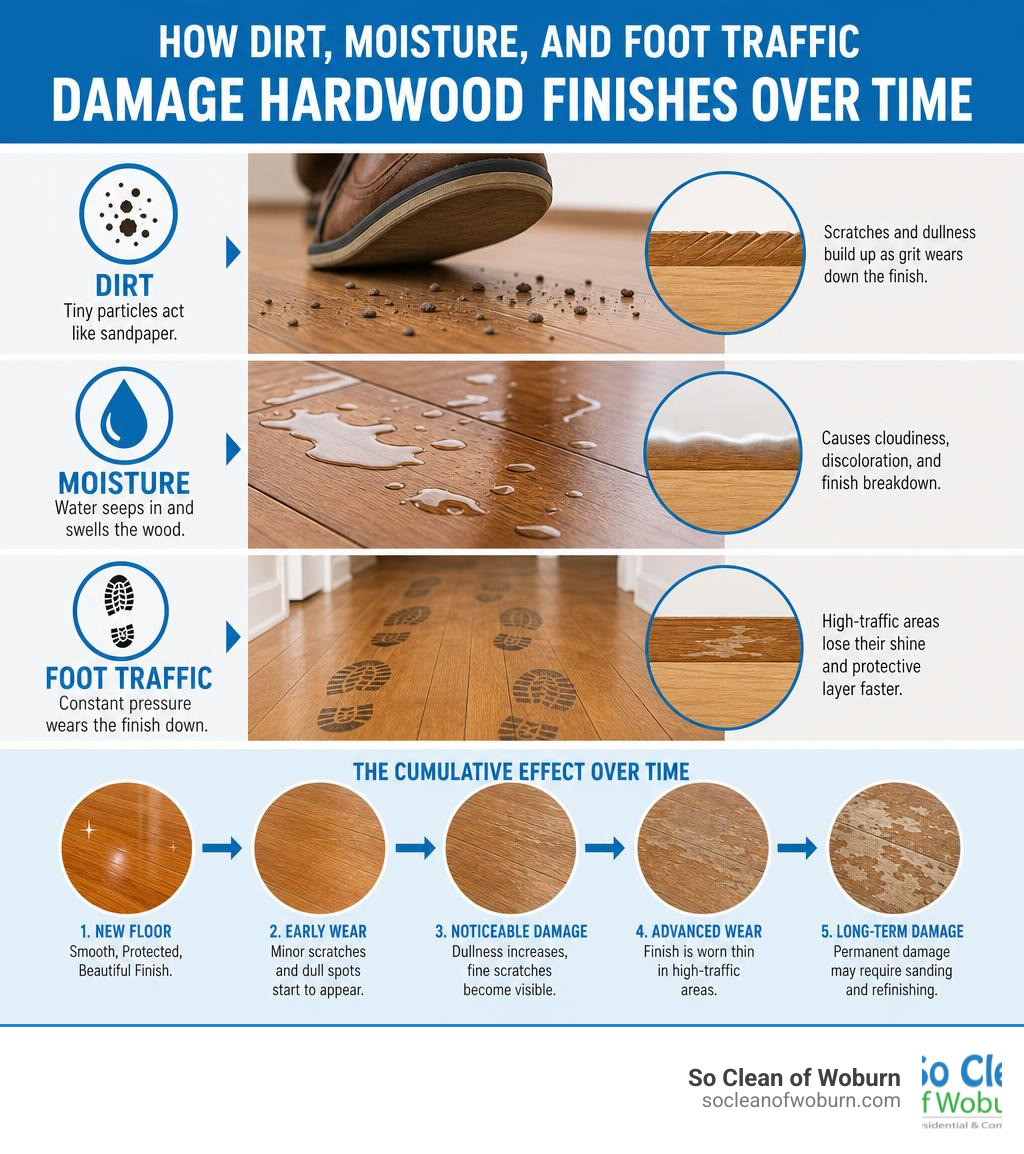
Know your hardwood floor cleaning near me terms:
Hardwood Floor Cleaning Near Me: What the Best Local Services Include
A good hardwood floor cleaning service should do more than make your floors look shiny for a few days. The best local services protect the finish, remove soil from seams, reduce allergens, and help you delay costly sanding or replacement.
For homeowners and businesses in Woburn, Burlington, Winchester, Reading, Stoneham, Lexington, Medford, Cambridge, Boston, Beverly, Andover, and nearby North Shore, Essex County, and Middlesex County communities, local hardwood care should be built around New England living. That means mud season, road salt, wet boots, pets, kids, office traffic, and the occasional mystery sticky spot no one in the house admits creating.
At So Clean of Woburn, our hardwood floor cleaning service focuses on customized cleaning plans for homes, apartments, and commercial spaces. The goal is simple: clean deeply, use floor-safe methods, and leave your space healthier than we found it.
What “hardwood floor cleaning near me” should mean in Massachusetts and New Hampshire
When you search for hardwood floor cleaning near me, you are not just looking for the nearest person with a mop. You are looking for a local team that understands the conditions your floors face every year.
In Massachusetts and New Hampshire, hardwood floors deal with:
- Winter salt and ice melt tracked in from driveways and sidewalks
- Spring mud and grit
- Summer humidity swings that can affect wood movement
- Pet hair, dander, and paw prints
- Sand from beaches, playgrounds, and sports fields
- Heavy traffic in kitchens, hallways, offices, and entryways
A local service should offer practical scheduling, clear estimates, and a process designed for your floor type and finish. That starts with an inspection. Before any machine touches the floor, the cleaner should look for worn finish, deep scratches, cloudy residue, wax buildup, water damage, cupping, gaps, pet stains, and areas where cleaning alone may not be enough.
Best professional hardwood floor cleaning services near you
The best professional hardwood floor cleaners near you should be easy to identify if you know what to look for.
Use this screening checklist before booking:
- Confirm they serve your town or neighborhood.
- Ask whether they clean residential, apartment, and commercial floors.
- Make sure they use pH-neutral or wood-safe cleaning solutions.
- Ask if their process is low-moisture.
- Confirm they do not steam clean hardwood.
- Ask about insurance.
- Request a written estimate or clear pricing range.
- Ask whether polishing or a protective coating is available.
- Check whether they explain what cleaning can and cannot fix.
- Look for flexible appointment times and good communication.
A trustworthy cleaner will not promise miracles. Professional cleaning can dramatically improve dull, dirty, scuffed floors, but it will not erase deep gouges, replace missing finish, or undo structural water damage. Anyone who promises to make a badly damaged floor “like new” with cleaning alone is selling you fairy dust, and fairy dust is not an approved hardwood product.
Benefits of professional hardwood cleaning and polishing
Professional hardwood floor cleaning has several practical benefits:
- Removes embedded dirt from seams and grain
- Reduces dullness caused by grime and residue
- Helps remove surface scuffs and cloudy buildup
- Improves the appearance of traffic lanes
- Helps protect the existing finish
- Makes routine cleaning easier
- Supports healthier indoor air
- Can delay sanding, refinishing, or replacement
- Improves first impressions in homes and offices
Professional hardwood cleaning can remove a large percentage of common household allergens from hard surfaces when proper equipment and methods are used. Some industry service data reports average allergen removal around 96% during professional hardwood floor cleaning. That matters in homes with pets, children, allergy-sensitive family members, or high-traffic living areas.
Polishing or applying a protective coating after cleaning can also help refresh the appearance of the floor and add a temporary wear layer. Think of it like giving your floor a clean jacket before it heads back into the chaos of daily life.

Professional Methods, Equipment, and Floor Types That Can Be Cleaned
Professional hardwood floor cleaning is not the same as regular mopping. It uses controlled moisture, wood-safe cleaning solutions, specialized agitation, and careful drying. The right method lifts grime without soaking the planks.
For a broader look at how trained crews clean different flooring surfaces, visit our guide to professional floor cleaners.
Cleaning methods local hardwood floor cleaners use
A professional hardwood floor cleaning appointment usually follows a structured process:
-
Pre-inspection
We identify the floor type, finish condition, problem areas, stains, traffic lanes, and any existing damage. -
Dry soil removal
Loose dirt, grit, pet hair, and dust are removed first. This may include vacuuming with a hard-floor attachment or dust mopping. -
Pretreatment
A wood-safe cleaning solution is applied to loosen soil, residue, and oily buildup. -
Gentle agitation
Professional equipment, microfiber pads, or soft brushes help break up embedded grime without scratching the finish. -
Soil extraction or removal
The loosened soil is removed from the floor instead of being smeared around. -
Edge and detail cleaning
Corners, baseboards, stairs, and tight spaces often need hand detailing. -
Optional polishing or protective coating
If the floor is a good candidate, a polish or protective finish can be applied to improve shine and add protection. -
Drying check and final walkthrough
The technician reviews the results, checks dry time, and explains how to care for the floor afterward.
This process is especially useful for kitchens, living rooms, hallways, office entryways, reception areas, and commercial spaces where regular mopping cannot keep up.
Equipment that protects wood instead of soaking it
Hardwood and water have a complicated relationship. A little controlled moisture is useful. Too much moisture is trouble.
Professional hardwood floor cleaners may use:
- Low-moisture cleaning systems
- pH-neutral hardwood cleaning solutions
- Soft rotary brushes
- Counter-rotating brush machines
- Non-abrasive pads
- Microfiber applicators
- HEPA vacuums
- Edge-detailing tools
- Controlled polish applicators
What should not be used? Steam, flooding, harsh degreasers, abrasive pads, and mystery chemicals from the back of a van labeled only “super shine juice.” Hardwood floors deserve better.
Low-moisture cleaning is especially important because excess water can seep between boards, swell wood fibers, cause cupping, damage finishes, or harm laminate cores. Fast drying is part of a safe cleaning plan.
Types of floors professionals can clean
Professional cleaners can often clean several hard-surface floor types, but the method must match the material.
Common floor types include:
- Solid hardwood
- Engineered hardwood
- Sealed wood
- Polyurethane-finished wood
- Wax-finished wood
- Laminate
- Luxury vinyl tile, or LVT
- Luxury vinyl plank, or LVP
- Linoleum
Solid hardwood can usually tolerate professional cleaning when the finish is intact. Engineered hardwood also can be cleaned, but moisture control is critical because the top wood layer is thinner than solid plank. Laminate needs even more caution because water can damage the core if it enters seams.
Before cleaning, professionals should consider the manufacturer’s guidance and the current finish condition. If you are unsure what type of floor you have, a flooring material reference such as this flooring information source can help you understand common options, but an in-person inspection is still best.
Eco-friendly and pet-safe cleaning options
Many homeowners search for hardwood cleaning because they want a healthier home, not just a shinier one. That is why eco-friendly and pet-safe options matter.
Ask about:
- Plant-based cleaners
- Low-VOC polish or coatings
- Non-toxic cleaning solutions
- Fragrance-free or low-fragrance options
- Residue-free rinsing
- Fast drying times
- Ventilation recommendations
- Pet and child re-entry guidance
If you prefer greener cleaning choices, our plant-based floor cleaner guide explains what to look for and what claims to question. “Natural” on a label does not always mean safe for wood, pets, or finishes.
For pet owners, the big priorities are non-toxic products, proper drying, and clear instructions after the appointment. Even with pet-safe products, it is smart to keep pets off the floor until it is dry. We love dogs. We do not love surprise paw-print art in fresh polish.
DIY vs Professional Hardwood Floor Cleaning, Maintenance, and Cost
DIY cleaning absolutely has a place. In fact, your weekly habits are what keep your hardwood floors from aging too quickly. But DIY cleaning and professional cleaning do different jobs.
For product guidance, see our article on the best floor cleaning products.
| Category | DIY Hardwood Cleaning | Professional Hardwood Cleaning |
|---|---|---|
| Best for | Daily and weekly maintenance | Deep cleaning and finish refresh |
| Tools | Broom, vacuum, microfiber mop | Low-moisture machines, soft brushes, polish tools |
| Soil removal | Surface dust and light dirt | Embedded grime, seam dirt, traffic buildup |
| Product control | Depends on homeowner choice | Wood-safe, pH-neutral solutions |
| Risk level | Higher if too much water or wrong product is used | Lower when performed by trained technicians |
| Shine improvement | Limited | Better, especially with polish add-on |
| Allergen reduction | Helpful with regular vacuuming | Stronger removal with deep cleaning |
| Time required | Ongoing | Usually 1–3 hours for many jobs |
| Cost | Lower upfront | Higher upfront, better long-term protection |
DIY hardwood floor cleaning: what works and what to avoid
Good DIY maintenance is simple:
- Sweep or dust mop regularly.
- Vacuum with a hard-floor attachment.
- Use a slightly damp microfiber mop.
- Choose a pH-neutral hardwood floor cleaner.
- Wipe spills right away.
- Place mats at entrances.
- Use felt pads under furniture.
- Trim pet nails.
- Lift furniture instead of dragging it.
Avoid these common mistakes:
- Steam cleaning hardwood floors
- Wet mopping with too much water
- Using vinegar as a regular cleaner
- Using oil soap that leaves residue
- Applying wax to a floor that should not be waxed
- Using abrasive scrub pads
- Spraying cleaner directly into seams
- Letting ice melt or salt sit on the floor
Vinegar is popular online, but it is acidic. Used repeatedly, it can dull or damage some finishes. Oil soaps can create buildup that looks cloudy and attracts more dirt. Steam can force moisture into seams. In other words, your floor may forgive one mistake, but it keeps receipts.
Professional cleaning vs DIY results
DIY cleaning handles the surface. Professional cleaning goes deeper.
Regular mopping often moves soil around rather than fully removing it from cracks, grain, and seams. Professional cleaning combines agitation and soil removal, which can improve traffic lanes, reduce cloudy buildup, and restore a more even appearance.
Professional technicians also bring judgment. They can spot a failing finish, recognize wax buildup, test problem areas, and tell you when cleaning is appropriate or when refinishing may be needed.
The biggest difference is finish protection. A professional polish or protective coating can help extend the time between major refinishing projects. It will not make your floor invincible, but it can add a helpful wear layer.
How often hardwood floors should be professionally cleaned
Most hardwood floors should be professionally cleaned every 6–12 months, depending on use.
Use this schedule as a starting point:
- Low-traffic homes: every 12–18 months
- Average family homes: every 12 months
- Homes with pets or children: every 6–12 months
- Busy kitchens, halls, and entryways: every 6 months
- Commercial offices or retail spaces: every 3–6 months, depending on traffic
- Apartments between tenants: before move-in or after move-out
In Massachusetts and New Hampshire, seasonal timing matters. Spring is ideal for removing winter salt and grit. Fall is a smart time to protect floors before snow, boots, and holiday traffic arrive.
Between professional appointments:
- Dust mop daily or every few days in busy areas.
- Vacuum weekly.
- Clean spills immediately.
- Check high-traffic areas quarterly.
- Refresh mats before winter.
How much professional hardwood floor cleaning typically costs
Professional hardwood floor cleaning prices vary based on square footage, soil level, furniture, stairs, stain treatment, polish, and protective coatings. In the Greater Boston and nearby Massachusetts and New Hampshire market, a wide planning range is:
- Standard hardwood cleaning: about $0.75–$4.00 per square foot
- Minimum service charges: about $150–$500
- Cleaning plus polish or protective coating: about $2.00–$8.00 per square foot
- Sandless renewal or heavier restoration cleaning: about $2.00–$8.00 per square foot
- Full sanding and refinishing: about $3.00–$12.00 per square foot
High-end pricing can be roughly twice the average when floors need extra work, specialty products, heavy buildup removal, stairs, tight spaces, furniture moving, or after-hours commercial scheduling.
For example, a simple open living room may be on the lower end. A multi-room project with stairs, pet stains, heavy residue, and polish will cost more. The best way to avoid surprises is to request a local estimate with a written scope.
How to Choose a Reputable Hardwood Floor Cleaning Company Near You
Choosing a hardwood floor cleaning company is partly about price, but it is also about trust. Your floors are expensive. You do not want someone learning the difference between laminate and oak in your dining room.
Our floor cleaning company near me guide explains how to compare local options in more detail.
Questions to ask before booking
Before scheduling, ask:
- What types of wood floors do you clean?
- Can you clean engineered hardwood or laminate?
- Do you inspect the finish before cleaning?
- What cleaning solution do you use?
- Is the process low-moisture?
- Do you use steam? The answer should be no for hardwood.
- How long will the floor take to dry?
- Are your products safe for pets and children?
- Are you insured?
- Do you provide a written quote?
- What stains or scratches can cleaning realistically improve?
- Do I need to move furniture?
- Do you offer polishing or protective coating?
- What should I do after the appointment?
- Do you service my town?
At So Clean of Woburn, we serve homes, apartments, and businesses across Greater Boston, the North Shore, Essex County, Middlesex County, and nearby communities including Woburn, Burlington, Reading, Winchester, Arlington, Belmont, Cambridge, Somerville, Medford, Malden, Melrose, Wakefield, Waltham, Watertown, Lexington, Bedford, Beverly, Danvers, Andover, and more.
Red flags when comparing local hardwood cleaners
Be careful if a company:
- Recommends steam cleaning hardwood floors
- Plans to soak or flood the floor
- Gives vague pricing with no scope
- Skips inspection
- Uses harsh chemicals without explanation
- Cannot provide insurance information
- Pressures you to book immediately
- Promises to remove deep gouges with cleaning
- Claims every floor can be restored without refinishing
- Has no clear service area
- Will not explain drying time
- Avoids product safety questions
Also beware of “one product cleans everything” claims. Hardwood, laminate, tile, vinyl, and stone all have different needs. A product strong enough for greasy tile may be too aggressive for a wood finish.
What to expect during a professional appointment
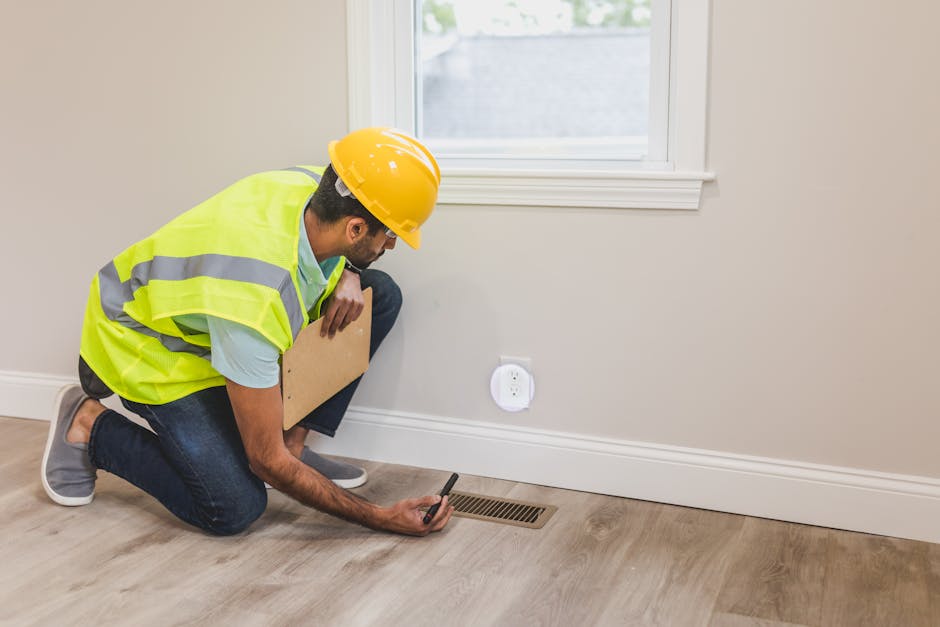
A typical professional hardwood floor cleaning appointment includes:
-
Arrival and walkthrough
We confirm the rooms, review concerns, and check access. -
Floor assessment
We inspect finish condition, scratches, stains, residue, traffic lanes, and moisture-sensitive areas. -
Furniture plan
Small items are usually moved ahead of time by the customer. Larger furniture may be moved, cleaned around, or handled according to the agreed scope. -
Dry soil removal
Grit and dust are removed before wet cleaning begins. -
Pretreatment
A wood-safe solution loosens soil and buildup. -
Machine cleaning and detailing
Low-moisture equipment and hand tools clean the main areas, edges, and corners. -
Optional polish or coating
If selected and appropriate, a protective product is applied. -
Drying time
Most floors dry within a few hours, depending on humidity, airflow, and the service performed. -
Final review
We walk through the results and explain care instructions. -
Aftercare guidance
You will know when to walk on the floor, when to replace furniture, and how to maintain the finish.
For homes, this often means same-day use. For commercial spaces, scheduling can often be planned around business hours to reduce disruption. If you manage an office, retail space, or facility, our commercial floor cleaning services may be a better fit than a standard residential visit.
Frequently Asked Questions About Hardwood Floor Cleaning Near Me
Here are the quick answers homeowners and business owners usually want before booking.
Can “hardwood floor cleaning near me” remove scratches, stains, or dullness?
Professional hardwood cleaning can often improve:
- Dullness from soil and residue
- Light scuffs
- Surface grime
- Cloudy cleaner buildup
- Some light stains
- Dirty seams and traffic lanes
It usually cannot remove:
- Deep gouges
- Scratches through the finish into raw wood
- Black water stains deep in the wood
- Severe pet urine damage
- Missing finish
- Warped or cupped boards
If dullness is caused by dirt or residue, cleaning can make a major difference. If dullness is caused by a worn-away finish, cleaning may help appearance but refinishing may eventually be needed.
Is professional hardwood cleaning safe for engineered wood, laminate, and pets?
Yes, professional cleaning can be safe for engineered wood and many laminate floors when the correct low-moisture method is used. The key is identifying the material first.
Engineered hardwood has a real wood surface, but it is thinner than solid hardwood. Laminate is not hardwood, and it can be more vulnerable to moisture at the seams. That is why low-moisture cleaning, controlled product application, and quick drying are essential.
For pets and children, ask for non-toxic, low-VOC, or plant-based options. Also ask how long to keep pets off the floor. Even when products are pet-safe, paws should wait until the surface is dry.
For more general home cleaning support, explore our residential cleaning services. If you have multiple flooring types, our floor cleaning services can help you choose the right care for each surface. We also offer guidance for other surfaces, including tile floor cleaning services.
How long does hardwood floor cleaning take and when can I walk on it?
Many hardwood floor cleaning appointments take about 1–3 hours, depending on:
- Square footage
- Number of rooms
- Soil level
- Furniture
- Stairs
- Stain treatment
- Whether polish or coating is added
- Humidity and airflow
Drying can take a few hours. In many cases, you can walk on the floor the same day in clean socks. Avoid shoes until the floor is fully dry. If a polish or protective coating is applied, you may need to wait longer before replacing heavy furniture or letting pets run across the floor.
Good post-cleaning rules include:
- Use socks only at first.
- Keep pets off until fully dry.
- Wait before replacing rugs.
- Avoid dragging furniture.
- Use felt pads under furniture legs.
- Do not wet mop immediately after service.
For product ideas between appointments, see Walk on Sunshine: Top Products for Sparkling Floors.
Conclusion
Your hardwood floors work hard. They handle boots, paws, crumbs, coffee drips, office traffic, furniture legs, and whatever that sticky thing is near the kitchen island. With the right care, they can stay beautiful for years longer.
If you are searching for hardwood floor cleaning near me in Woburn, Greater Boston, the North Shore, Essex County, Middlesex County, or nearby Massachusetts and New Hampshire communities, we are here to help. At So Clean of Woburn, we provide customized, affordable cleaning solutions for homes, apartments, and offices, with a focus on healthy spaces and impressive results.
Whether your floors need a one-time deep clean, seasonal salt removal, pet-safe maintenance, or commercial floor care, we can help protect your planks before they need more expensive work.
Ready to bring back the shine? Schedule your hardwood floor cleaning with So Clean of Woburn and give your floors the fresh start they deserve.