What Is Healthy Home Cleaning and Why It Matters
When I think about healthy home cleaning, I’m reminded that it goes far beyond just making things sparkle. It’s about creating a safe haven where your family can thrive without exposure to harmful chemicals. The shocking reality? According to the Environmental Working Group (EWG), more than 2,000 cleaning products commonly found in American homes contain ingredients that can trigger asthma attacks or cause serious respiratory problems.
As one expert from the NMSU Green Cleaning Guide puts it: “We often think of our home as a safe place, protecting us from the harms of the world. It’s hard to imagine that many products we use every day in our homes can be toxic.”
Take a peek under most kitchen sinks, and you’ll find a chemical cocktail that would make any health professional wince. The average American home houses dozens of cleaning products, many containing volatile organic compounds (VOCs), harsh caustics, and industrial solvents. These chemicals don’t just disappear after cleaning—they linger in your indoor air, settling on surfaces your family touches every day.
But here’s the good news: making the switch to non-toxic alternatives doesn’t mean living with grimy countertops or spotty mirrors. Today’s green cleaning products can tackle tough messes just as effectively as their conventional counterparts, minus the health risks. Whether you opt for store-bought eco-friendly solutions or whip up simple homemade cleaners, every healthier choice you make contributes to a safer home environment.
For quick reference, here’s what healthy home cleaning looks like in practice:
| Aspect | Healthy Approach |
|---|---|
| Products | Choose EPA Safer Choice, EWG VERIFIED, or plant-based alternatives |
| DIY Options | Vinegar, baking soda, hydrogen peroxide, castile soap |
| Chemicals to Avoid | Formaldehyde, ammonia, chlorine bleach, quaternary ammonium compounds |
| Air Quality | Ventilate while cleaning, avoid aerosols, use fragrance-free products |
| Storage | Keep in original containers, away from heat, out of reach of children |
In this guide, I’ll walk you through exactly how to identify those sneaky toxic products hiding in your cleaning cabinet, find safer alternatives that actually work, and implement healthier cleaning practices throughout your home. Because your family deserves a clean home that doesn’t compromise their health.
What You’ll Learn
Ready to transform your cleaning routine? In this guide, you’ll find:
How to become a label detective, spotting harmful chemicals lurking in your current cleaning products. (That skull and crossbones symbol is there for a reason!)
Simple DIY recipes using safe ingredients probably sitting in your pantry right now. Your grandmother’s cleaning tricks were onto something!
Which eco-friendly commercial products actually deliver results—because “natural” doesn’t always mean “effective.”
Room-by-room strategies for healthier cleaning, from tackling kitchen grease to bathroom mold without harsh chemicals.
Proper storage and disposal methods for cleaning supplies to keep your family safe and protect our waterways.
Quick wins you can implement today for immediate health benefits—some taking just minutes to swap out.
Whether you’re dealing with family allergies, worried about curious pets and little ones, or simply want to reduce your environmental footprint, this guide offers practical solutions for creating a cleaner, healthier home environment. The best part? Many of these changes are simple, affordable, and can make a difference right away.
What Is Healthy Home Cleaning and Why It Matters
Healthy home cleaning is about creating a clean home without compromising your family’s health. It means choosing methods and products that effectively clean your spaces while minimizing exposure to harsh chemicals that might harm you, your loved ones, or the environment.
Did you know that the air inside your home is typically 2-5 times more polluted than outdoor air? The EPA has confirmed this surprising fact, and your cleaning products could be major contributors to this indoor pollution. Many conventional cleaners release invisible gases called VOCs (volatile organic compounds) that hang around in your home long after you’ve finished cleaning.
Sharon, a mom from North Carolina, shared her experience: “After switching to green cleaning methods, my family experienced fewer headaches and my son’s allergy symptoms noticeably improved. Our shower hasn’t looked this clean since the house was brand new—and without the harsh chemical smell!”
This isn’t unusual. According to the Environmental Working Group’s Guide to Healthy Cleaning, more than half of the 1,000+ ingredients they studied can harm your lungs, and about 20% can trigger asthma symptoms. With one in three Americans suffering from allergies, asthma, sinusitis, or bronchitis, the products we use to clean our homes really do matter.
Health Risks of Conventional Cleaners
That lemon-scented cleaner might smell fresh, but conventional cleaning products often hide a concerning mix of chemicals that pose both immediate and long-term health risks.
Respiratory irritants like bleach, ammonia, and artificial fragrances can trigger asthma attacks, coughing, and wheezing—even in people who’ve never had breathing problems before. Volatile Organic Compounds (VOCs) evaporate at room temperature and can cause everything from eye irritation and headaches to serious damage to your liver, kidneys, and central nervous system with repeated exposure.
The caustics found in oven cleaners and drain openers can cause severe burns if they touch your skin or eyes. Many all-purpose cleaners contain solvents that, with prolonged exposure, have been linked to birth defects and central nervous system disorders.
Perhaps most concerning are the endocrine disruptors like phthalates (often hidden in the ingredient list as simply “fragrance”) that can interfere with your hormone function and have been linked to reproductive issues.
A recent study on household chemical exposure noted: “Many conventional cleaners contain caustics or solvents, which can cause burns, respiratory issues, and long-term health effects such as cancer or central nervous system disorders if used improperly.”
Benefits of Going Green
Switching to healthy home cleaning brings numerous advantages that go beyond just avoiding the negatives:
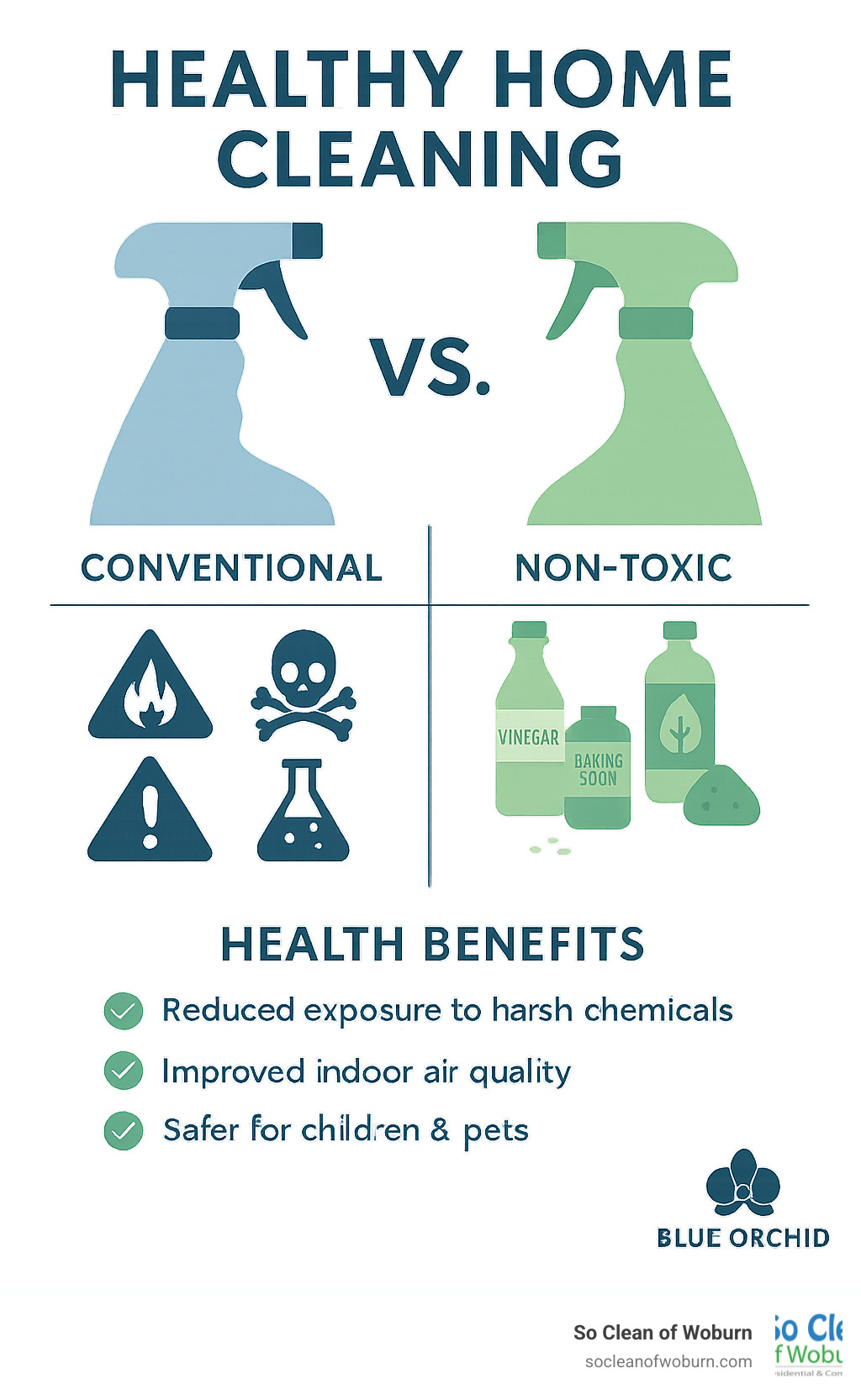
Your family will enjoy improved indoor air quality since green cleaning products typically contain fewer or no VOCs, resulting in cleaner air inside your home. You’ll likely notice fewer allergy and asthma triggers as non-toxic cleaners are less likely to aggravate respiratory conditions or cause skin irritation.
Green cleaning provides greater safety for children and pets, who are particularly vulnerable to toxic chemicals due to their smaller size and tendency to touch surfaces and then their mouths. The environment benefits too, as eco-friendly alternatives break down more readily instead of contaminating waterways and harming aquatic life.
Many green cleaning brands offer complete transparency about their ingredients, unlike conventional brands that may hide potentially harmful components under vague terms like “fragrance.”
A Massachusetts homeowner told us: “I used to get headaches after cleaning my bathroom. Since switching to natural cleaning products, I can clean the entire house without feeling sick afterward. And honestly, everything gets just as clean!”
Making the switch doesn’t mean sacrificing cleanliness. Today’s green cleaning options work effectively while protecting what matters most—your family’s health and the world around us.
Identifying Hazards in Your Cleaning Closet
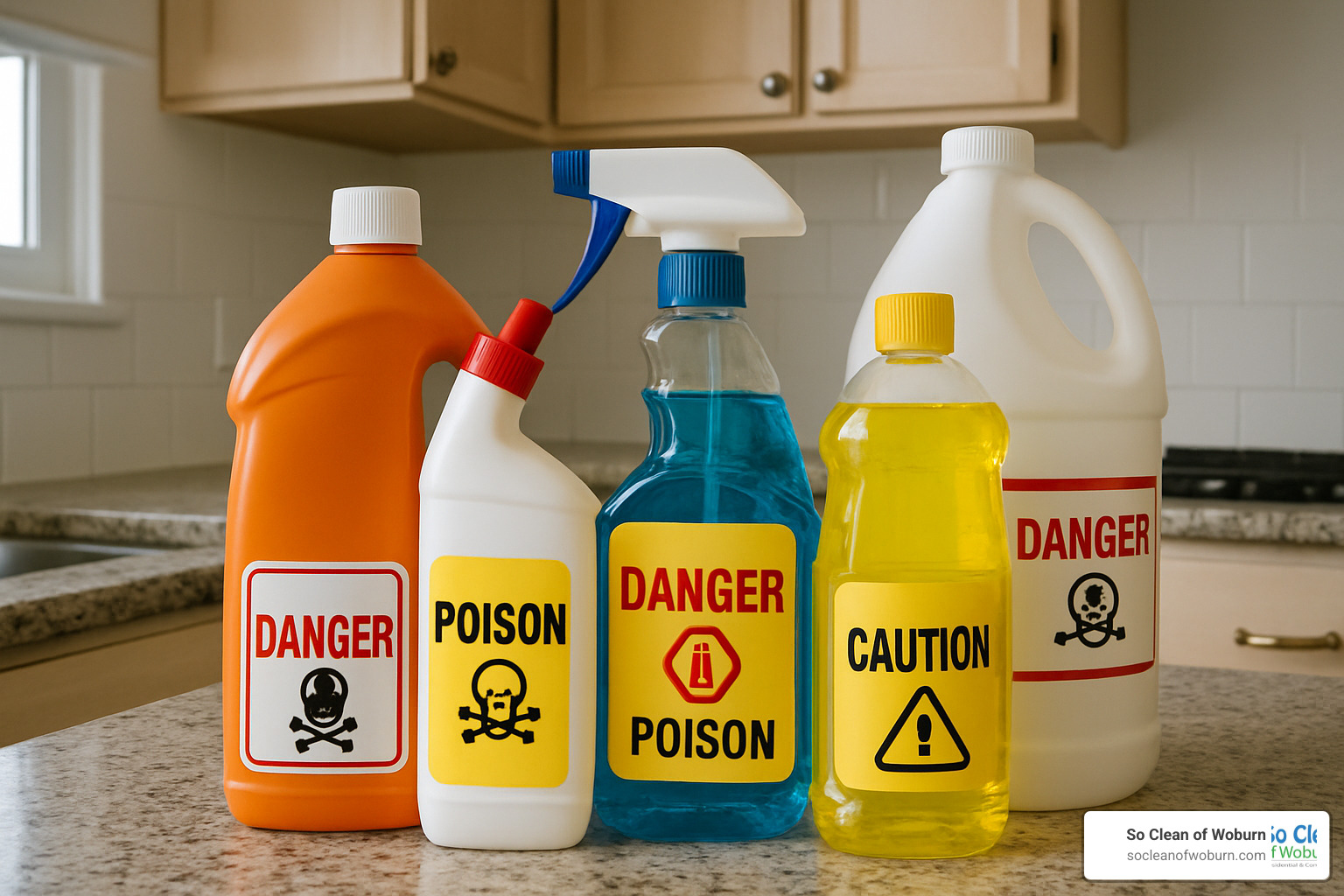
Opening your cleaning cabinet can sometimes feel like peeking into a chemistry lab, can’t it? The first step on your healthy home cleaning journey is taking a good hard look at what’s already living under your sink.
Have you ever really read those warning labels? Many of the products we use daily contain chemicals that the EPA actually classifies as hazardous. They look for four main danger signs: whether something can catch fire easily (ignitability), burn your skin (corrosivity), react violently with other substances (reactivity), or poison living things (toxicity).
Grab a few bottles from your cabinet and check for these signal words:
DANGER or POISON means “handle with extreme care” – these products can cause permanent damage or even death if swallowed, inhaled, or absorbed through skin. Yikes!
WARNING indicates moderate toxicity that might cause temporary injury.
CAUTION suggests slight toxicity that could irritate your skin, eyes, or lungs.
As one Massachusetts mom told us, “I never realized how many skull-and-crossbones were hiding in my cleaning cabinet until my toddler started opening drawers. That was my wake-up call!”
According to the Environmental Working Group, many cleaning companies don’t even fully disclose their ingredients, which is like buying mystery food without a nutrition label. How are we supposed to make smart choices when we don’t know what we’re bringing home?
Common Hazardous Chemicals to Avoid
When you’re scanning those labels (if they even list ingredients), keep an eye out for these troublemakers:
Formaldehyde lurks in some products as a preservative, and it’s a known cancer-causer. Not exactly something you want to wipe all over your countertops!
Ammonia might make your windows sparkle, but it can irritate your eyes and lungs—and if you accidentally mix it with bleach, you’ve created a toxic gas that can send you to the emergency room. I once made this mistake in a small bathroom and learned my lesson the hard way!
Perchloroethylene (PERC) hides in carpet cleaners and stain removers. The EPA considers it a “possible carcinogen,” which is science-speak for “maybe causes cancer.” Do we really want to take that chance?
“Fragrance” seems innocent enough, but this single word can legally hide dozens of undisclosed chemicals, including phthalates that mess with your hormones. That “mountain fresh” scent might not be so fresh after all.
Quaternary Ammonium Compounds or “quats” sound scientific and safe, but these common disinfectants can trigger asthma and potentially contribute to antibiotic resistance. Clean now, pay later?
Chlorine Bleach might be a cleaning staple, but it’s highly reactive and can irritate your respiratory system. Plus, it creates toxic compounds when mixed with other cleaners.
2-Butoxyethanol appears in many all-purpose cleaners and can cause everything from sore throats to serious liver and kidney damage with enough exposure. Yet manufacturers aren’t required to list it on non-industrial products!
“I used to get headaches every cleaning day,” shared a Woburn homeowner. “Once I switched to safer products, those headaches disappeared. That can’t be a coincidence.”
How to Read Labels & Find Trusted Certifications
Since cleaning product manufacturers play hide-and-seek with their ingredients, your best bet is to look for trusted third-party certifications:
The EPA Safer Choice label means products meet strict safety criteria for both people and planet. Think of it as the government’s stamp of approval for safer chemistry.
EWG VERIFIED products meet the Environmental Working Group’s stringent standards for transparency and health. These folks are like the detectives of the chemical world.
Green Seal is an independent non-profit that certifies products meeting tough environmental and performance standards. They’ve been at this since 1989, so they know their stuff.
MADE SAFE certification means products are made without known harmful chemicals. They screen for carcinogens, endocrine disruptors, reproductive toxins, and more.
When you can’t find these certifications, look for brands that voluntarily disclose all ingredients. Companies with nothing to hide typically don’t hide things!
For commercial products without clear labels, you can request Safety Data Sheets (SDS) from manufacturers. These documents contain more detailed hazard information than what you’ll find on retail labels.
Want to dive deeper into the science? The EPA offers excellent research on indoor VOCs and their impact on your home’s air quality.
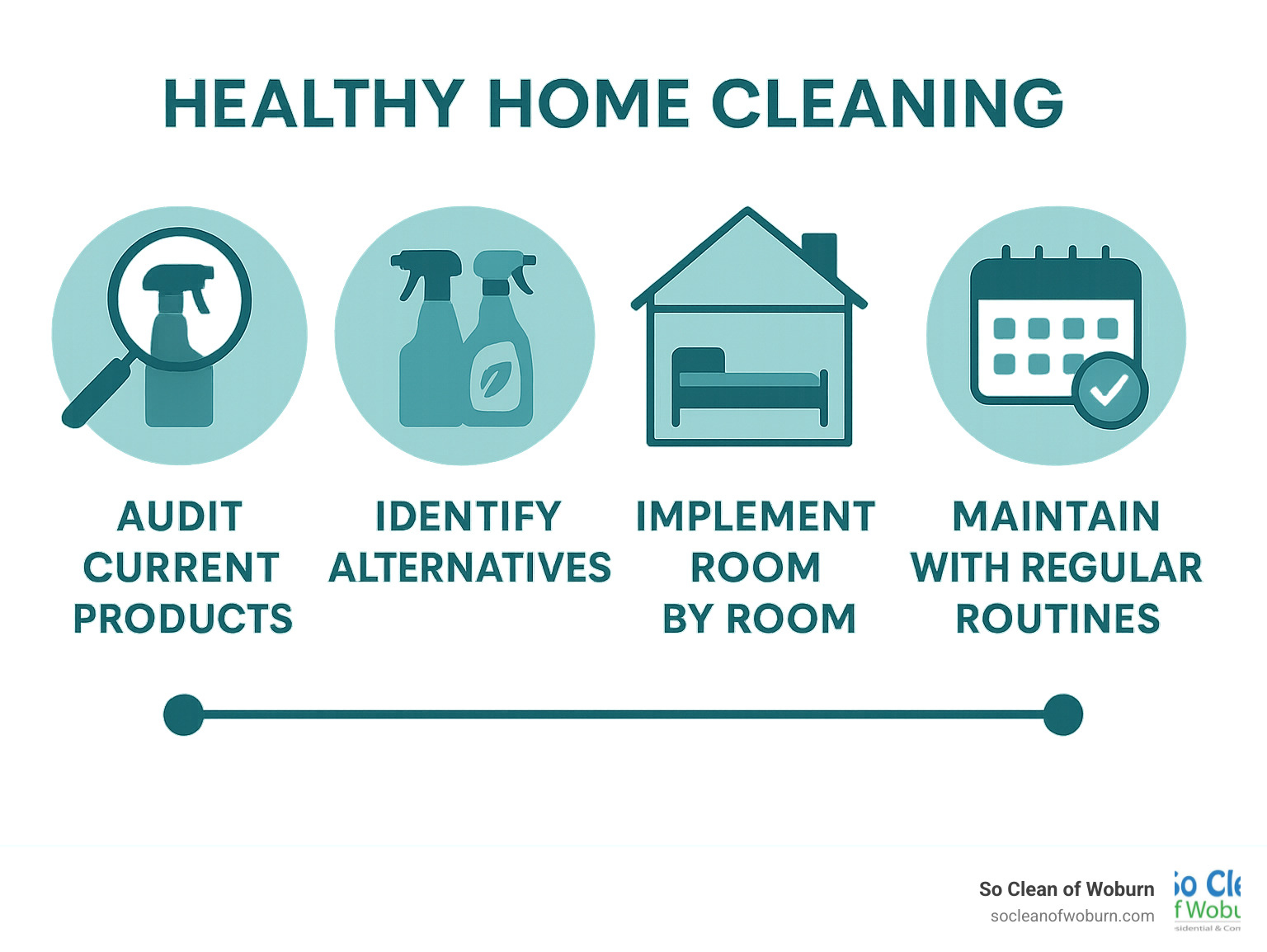
Creating a healthier home doesn’t mean throwing everything out tonight. Start by identifying your most hazardous products and replacing them first. Small steps lead to big changes in your healthy home cleaning journey!
Choosing & Evaluating Non-Toxic Products
When transitioning to healthy home cleaning, finding effective non-toxic alternatives doesn’t mean sacrificing cleanliness. Green cleaning products have come a long way in recent years—many now clean just as well as (or better than!) their chemical-heavy cousins.
“I was skeptical at first,” admits Melissa from Woburn, “but these plant-based cleaners actually get my shower spotless. And I don’t have to hold my breath while cleaning anymore!”
When shopping for healthier cleaning products, trust is everything. Look for those third-party certification seals we mentioned earlier—EPA Safer Choice, EWG VERIFIED, Green Seal—as they’ve done the homework for you. Companies that list ALL ingredients (not just “cleaning agents” or “fragrance”) are showing they have nothing to hide.
Plant-based surfactants derived from coconut, corn, or other natural sources clean effectively without the petroleum-based chemicals. If you enjoy scented products, opt for those with essential oils rather than synthetic “fragrance”—though be aware that some essential oils can irritate sensitive individuals.
Price-wise, expect to pay between $3-$12 per bottle for green cleaning products. While this might seem higher than conventional cleaners, many eco-friendly options come in concentrated formulas that can be diluted, giving you more bang for your buck.
Before committing to a full overhaul, test new products in small areas to ensure they meet your cleaning standards. Different homes and surfaces may respond differently to various formulations.
DIY Healthy Home Cleaning Staples
Creating your own cleaning solutions is where healthy home cleaning becomes both economical and empowering. Most effective DIY cleaners rely on these simple ingredients:
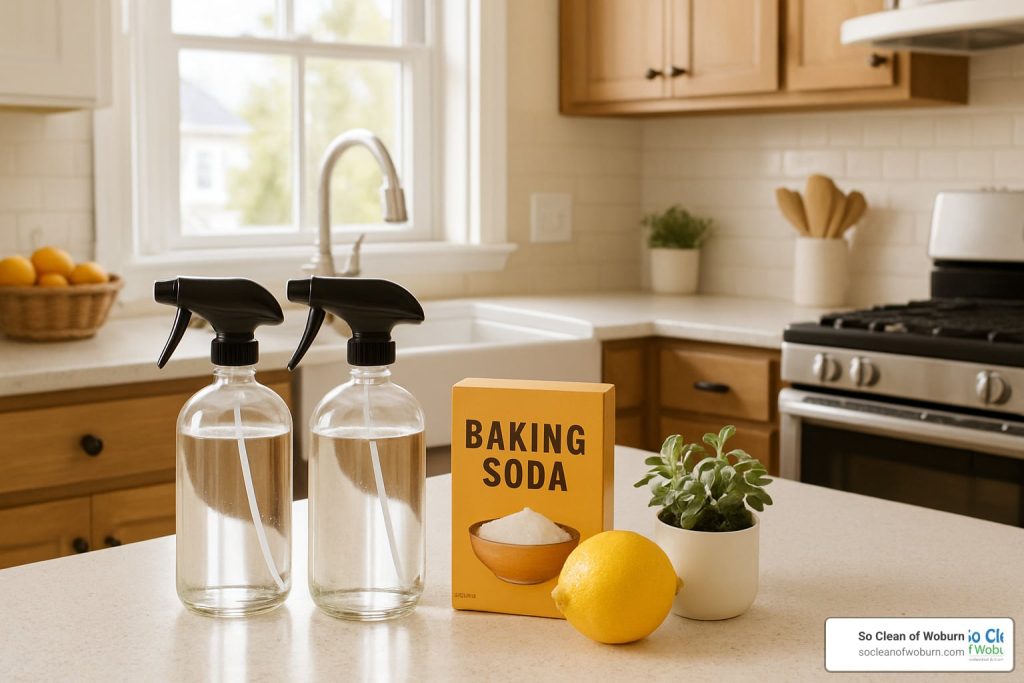
White vinegar cuts grease, removes mineral deposits, and kills certain bacteria—though keep it away from marble or granite surfaces. Baking soda works as a gentle scrubber and deodorizer without scratching delicate surfaces. Castile soap, a plant-based wonder, can be diluted for everything from floors to countertops.
Hydrogen peroxide (3%) disinfects effectively and breaks down into just water and oxygen. For tougher jobs, washing soda (sodium carbonate) packs more punch than baking soda. And if you want a pleasant scent, a few drops of essential oils like tea tree, lavender, or lemon can add fragrance while offering some antimicrobial benefits.
My favorite all-purpose cleaner combines ½ cup white vinegar, ¼ cup baking soda, and 2 liters of water. Add 10-15 drops of essential oil if you like, and you’ve got a cleaner that tackles most household surfaces for pennies per use.
“For an effective kitchen sanitizer,” suggests cleaning expert Maria Rodriguez, “heat distilled white vinegar to about 130°F and spray onto countertops. Let it sit for a minute before wiping—it kills most common kitchen bacteria without harsh chemicals.”
Buy vs. DIY: When Store-Bought Makes Sense
While homemade solutions are wonderful for many cleaning tasks, sometimes reaching for a ready-made green product makes more sense:
When you’re short on time, pre-made products eliminate the mixing and measuring steps. Some specialty surfaces like natural stone countertops or hardwood floors require specific formulations to prevent damage—something commercial products have perfected.
During illness outbreaks or for high-touch surfaces, you might want EPA-registered disinfectants from their List N. These products meet specific criteria for effectiveness against pathogens while minimizing health risks.
For stubborn messes like baked-on oven grime or toilet bowl stains, specialized green products often contain enzymes or plant-derived solvents specifically formulated for these tough challenges.
And let’s be honest—sometimes convenience wins. Having ready-to-use sprays and wipes makes quick clean-ups more likely to happen, especially for busy families.
“We’ve found that most of our clients prefer a hybrid approach,” notes our cleaning team at So Clean of Woburn. “Using simple DIY solutions for daily touch-ups and specialized green products for deeper cleaning needs strikes the perfect balance between effectiveness, health, and sustainability.”
More info about non-toxic picks
Room-by-Room Healthy Home Cleaning Playbook
Creating a truly clean home means adapting your approach to each unique space. Let’s walk through a practical, room-specific guide to healthy home cleaning that addresses the particular challenges of kitchens, bathrooms, and living spaces.
Kitchen Safe-Surface Strategies
Your kitchen deserves special attention since it’s where you prepare food and likely where your family gathers most. Food safety concerns make this room particularly important to clean properly—but without harsh chemicals.
For most countertops, a simple solution of a teaspoon of castile soap in a quart of warm water works beautifully. When you need to disinfect after handling raw meat or during illness, reach for 3% hydrogen peroxide in a dark spray bottle (the dark bottle matters because light breaks down hydrogen peroxide’s effectiveness).
“I used to worry about germs on my cutting boards until I finded the lemon-salt scrub,” says Maria, a Woburn homeowner. “My wooden boards look better than ever, and I love that I’m not putting chemicals near where I prep our food.”
Different surfaces need different care. While vinegar works wonders on many surfaces, it can damage natural stone. For granite or marble countertops, stick with mild dish soap and water or a specialized stone cleaner to preserve their beauty.
Recent research has shown that viruses can survive surprisingly long on kitchen surfaces—up to 48 hours on stainless steel and 72 hours on plastic. This makes regular cleaning of high-touch areas like refrigerator handles, microwave buttons, and faucets especially important. A quick daily wipe with soapy water followed by a hydrogen peroxide spray for disinfection provides peace of mind without chemical residues.
Healthy Bathroom Blitz
Bathrooms often receive the harshest cleaning chemicals in the typical home. The good news? You can achieve a sparkling clean bathroom without the toxic fumes.
For toilet bowls, the fizzing action of baking soda and vinegar not only cleans effectively but can also be oddly satisfying to watch. Pour half a cup of baking soda followed by a quarter cup of vinegar into the bowl, let it bubble for ten minutes, then scrub and flush. For stubborn stains, a paste of borax and lemon juice works wonders (just wear gloves, as borax can irritate skin).
Preventing mold is easier than removing it. “The best advice I ever got was to use a shower squeegee,” shares Tom from Reading. “That simple habit cut our bathroom cleaning time in half and we haven’t had mold issues since.” Improved ventilation makes a huge difference too—run the fan during and after showers, or open a window when weather permits.
For existing mold problems, undiluted vinegar or a tea tree oil solution (1 teaspoon oil to 1 cup water) can be surprisingly effective. Spray problem areas, let the solution sit, then scrub away. For truly sparkling shower doors and mirrors, a solution of 1 part vinegar to 4 parts water works beautifully—just wipe with a lint-free cloth or, believe it or not, crumpled newspaper for a streak-free shine.
Grout often becomes the bathroom’s trouble spot. Try this professional trick: spray a solution of 1 part hydrogen peroxide to 2 parts water on grout lines, wait an hour, then scrub with an old toothbrush. The gentle bleaching action of hydrogen peroxide whitens grout without damaging it or exposing your family to chlorine bleach fumes.
Allergy-Friendly Floors & Fabrics for Healthy Home Cleaning
Floors, carpets, and upholstery can be major reservoirs for allergens. A healthy home cleaning approach addresses these surfaces with special care.
For hard floors, the cleaning method should match the material. Vinyl and tile floors respond well to a simple solution of 1 cup vinegar in a gallon of hot water. Wood floors require gentler treatment—just a teaspoon of castile soap in a gallon of warm water, applied with a barely damp mop. The key word is “barely”—excess moisture can damage wood floors over time.
“When we learned our son had dust allergies, we completely changed our cleaning routine,” explains Jennifer from Burlington. “Switching to a HEPA vacuum and washing his bedding weekly in hot water made a dramatic difference in his symptoms. It was such a simple change for such a big improvement.”
Carpets present unique challenges for healthy home cleaning. Weekly vacuuming with a HEPA filter vacuum removes allergens before they build up. For refreshing carpets between deep cleans, sprinkle baking soda (optionally improved with a few drops of essential oil), let it sit for several hours to absorb odors, then vacuum thoroughly. For stains, remember to blot—never rub—with club soda or a mixture of equal parts vinegar and water.
Upholstery can harbor dust, pet dander, and skin cells. Regular vacuuming with an upholstery attachment removes surface debris. For spot cleaning, a mild soap and water solution works for most fabrics. Here’s a surprising tip from professional cleaners: lightly misting upholstery with diluted vodka kills odor-causing bacteria without leaving any scent behind once it dries.
For those with severe allergies, consider taking additional steps like using zippered dust-mite-proof covers on mattresses and pillows, minimizing carpeting in bedrooms, and maintaining humidity levels between 30-50% to discourage dust mites and mold growth.
For more specific guidance on allergen control, you might find our article on Reducing Allergens in Apartment Buildings: Tips for Cleaner Indoor Air helpful. And to understand the important distinction between cleaning and disinfecting, check out our guide on Cleaning vs. Disinfecting: Understanding the Difference in Apartment Building Maintenance.
Storage, Disposal & Routine Habits for a Safer Home
Even the gentlest cleaning products need proper handling. Creating smart storage systems and disposal habits is the final piece of the healthy home cleaning puzzle.
As a Massachusetts mom told us, “I never thought about how I stored my cleaners until my toddler figured out how to open the under-sink cabinet. That was my wake-up call to create a safer system!” Her experience isn’t unusual – proper storage protects both curious little ones and the effectiveness of your products.
“The EPA recommends buying only as much of a product as you will use, following product labels for proper use and disposal, and sharing excess household products with friends or neighbors,” states a guide on household hazardous waste.
Safe Storage Tips
Your cleaning cabinet deserves the same thoughtful organization as the rest of your home. Keep products in their original containers whenever possible – those labels contain valuable safety information and usage instructions that you might forget. For homemade cleaners, use clear labels showing ingredients and the date you made them (many DIY solutions lose effectiveness over time).
Store cleaning supplies away from food items – this seems obvious, but many people keep cleaners under the kitchen sink right next to extra food storage containers or even spare groceries. This creates unnecessary risk of contamination or confusion.
Even if you’ve switched to non-toxic options, use childproof locks on cabinets containing cleaning supplies. Many natural cleaners like vinegar or essential oils can still cause stomach upset or eye irritation if misused.
Heat and sunlight are enemies of cleaning product stability. Keep products away from heat sources and direct sunlight, which can degrade ingredients and potentially cause containers to leak or burst. That cupboard above the stove? Not ideal for storing cleaners.
Chemistry matters, even with green cleaners. Store incompatible products separately to prevent unwanted reactions. For example, vinegar and hydrogen peroxide should be stored and used separately – together they create peracetic acid, which can be irritating to the skin and lungs.
“Always label homemade cleaning products and keep them out of reach of children. Test any new formula in a small, hidden area before widespread use,” advises the NMSU Green Cleaning Guide.
Disposal & Community Programs
Even the most eco-friendly products need proper disposal. As one Woburn resident shared, “I used to pour leftover cleaners down the drain until I learned how that affects our water supply. Now I know better!”
Use up products completely when possible – this is both economical and environmentally friendly. Can’t use it all? Consider giving usable products to neighbors or friends who might need them.
Never pour cleaning products down drains, toilets, or onto the ground. Even biodegradable cleaners can temporarily disrupt the bacterial balance in septic systems or contribute to water pollution.
Most Massachusetts communities have specific guidelines for disposing of household chemicals. Check with your local waste management authority about proper disposal options for cleaning products and empty containers. Middlesex and Essex Counties regularly host Household Hazardous Waste (HHW) collection days where residents can safely dispose of cleaning products, paints, and other potentially harmful items.
After using up products, recycle containers according to local guidelines – but be sure to rinse them thoroughly first. Many plastic spray bottles can be recycled, while glass bottles are almost always recyclable.
Creating simple routines can dramatically reduce your need for cleaning products in the first place. Regular maintenance cleaning prevents buildup that might otherwise require harsh chemicals. As one cleaning professional noted, “When messes don’t have time to set in, gentle cleaners are typically all you need.”
Other habits that create a healthier home environment include removing shoes at the door to keep outdoor pollutants outside, using doormats inside and outside all entrances, and ventilating while cleaning by opening windows or using fans. Perhaps most importantly, clean spills immediately before they become stubborn stains requiring stronger products.
The healthiest home is one where strong chemicals are rarely needed because small messes never get the chance to become big problems. With thoughtful storage, proper disposal, and smart daily habits, your healthy home cleaning routine will protect both your family and the environment for years to come.
Conclusion & Next Steps
Creating a healthy home cleaning routine doesn’t happen overnight, but each small change contributes to a healthier living environment. By gradually replacing toxic products with safer alternatives and adopting greener cleaning habits, you’re making a significant investment in your family’s health and the planet’s wellbeing.
Remember these key takeaways:
- Start small – Begin by replacing your most frequently used products or those with the most concerning ingredients.
- Read labels carefully – Look for third-party certifications and be wary of vague terms like “natural” or “green” without substantiation.
- Accept simple solutions – Often, the most effective cleaners are the simplest, using ingredients like vinegar, baking soda, and castile soap.
- Establish routines – Regular maintenance cleaning prevents the need for harsh products to tackle built-up grime.
- Ventilate – No matter what products you use, proper ventilation during and after cleaning improves indoor air quality.
For residents in the Greater Boston area, including Middlesex County and Essex County, we at So Clean of Woburn understand the importance of healthy home cleaning. Our professional cleaning teams are trained in non-toxic cleaning methods that prioritize your family’s health while delivering exceptional results.
Whether you’re looking for ongoing residential cleaning services or a one-time deep clean with eco-friendly products, we’re here to help create a healthier home environment for you and your loved ones.

“It feels amazing to come home to a clean house. Life is short and time is precious, so spend it doing things that bring you joy and happiness.” – Healthy Home Cleaning Services
Ready to take the next step in your healthy home journey? Start by auditing your cleaning supplies this weekend, replacing one toxic product with a safer alternative, and experiencing the difference in how your home looks, smells, and feels. Your lungs (and your family) will thank you!
For more information about our house-cleaning services that prioritize health and environmental responsibility, visit our website or give us a call. We’re proud to serve communities throughout North Shore, MA, Essex County, MA, Middlesex County, MA, and beyond.