
Why Your Bathroom Needs a Non-Toxic Makeover
Non toxic bathroom cleaner solutions are safer alternatives to conventional products that contain harsh chemicals like ammonia, bleach, and phthalates. These cleaners use plant-based ingredients, vinegar, baking soda, and hydrogen peroxide to effectively remove soap scum, mold, and grime without releasing toxic fumes or leaving harmful residues.
Quick Guide to Non-Toxic Bathroom Cleaning:
- DIY Options: Mix white vinegar with water for glass and surfaces, or combine baking soda with castile soap for scrubbing tubs and tiles
- Commercial Products: Look for certifications like EWG VERIFIED™, EPA Safer Choice, or Green Seal on labels
- Key Ingredients to Seek: Plant-derived surfactants, citric acid, essential oils (tea tree, lemon), and biodegradable formulas
- Chemicals to Avoid: Ammonia, chlorine bleach, phthalates, artificial fragrances, and quaternary ammonium compounds (quats)
Cleaning the bathroom doesn’t have to mean exposing your family to harsh fumes. The chemicals in conventional cleaning products can linger on surfaces and pollute the air you breathe. Over time, this exposure can cause respiratory problems, skin irritation, and allergies. When rinsed down the drain, these chemicals also wreak havoc on aquatic life.
The good news? Switching to non-toxic alternatives is easier and more affordable than you might think. Whether you’re mixing up simple DIY solutions from ingredients already in your pantry or choosing certified green products from the store, you can achieve a sparkling clean bathroom without compromising your family’s health or the environment.
I’m Bill McGrath, owner of So Clean of Woburn, and over the years I’ve seen how non toxic bathroom cleaner options can transform both the health of a home and the satisfaction of our clients. Our team has made it our mission to deliver spotless results using safer, eco-friendly methods that protect what matters most—your family and your peace of mind.
Key terms for non toxic bathroom cleaner:
- natural home cleaning
- plant based bathroom cleaner
Why Switch to Non-Toxic Bathroom Cleaners?
We’ve all been there: scrubbing the tub, and suddenly a wave of acrid fumes hits you, making your eyes water and your throat tickle. That’s your body’s way of telling you that something isn’t right. Traditional bathroom cleaners, while effective at removing grime, often come with a hidden cost to our health and the environment.
Many conventional cleaning products contain a cocktail of harmful chemicals. The fumes can pollute your indoor air, and prolonged exposure is linked to respiratory problems, skin and eye irritation, nausea, and headaches. Volatile Organic Compounds (VOCs), commonly found in many cleaners, can trigger allergies and asthma, while other chemicals act as endocrine disruptors, interfering with the body’s hormonal system. The very act of cleaning could be contributing to indoor air pollution and health concerns for your family. For a deeper dive into these risks, you can explore the dangers of household chemicals and find more on harmful cleaning chemicals on our site.
Harmful Chemicals to Avoid
When we talk about making the switch to a non toxic bathroom cleaner, it’s crucial to know what ingredients to actively avoid. Many of the chemicals that give conventional cleaners their potent punch are also the ones posing the greatest risks.
Here are some of the prime offenders we recommend staying away from:
- Ammonia: This common ingredient can cause severe respiratory issues and eye irritation.
- Chlorine Bleach: A powerful disinfectant but also a potent irritant. Even worse, combining bleach with ammonia creates a highly toxic gas called chloramine, which can be lethal. We strongly advise against ever mixing these two.
- Phthalates: Often hidden within “fragrance” labels, phthalates are known endocrine disruptors and can have developmental impacts.
- Quaternary Ammonium Compounds (Quats): These are common disinfectants that can be respiratory irritants and may contribute to antibiotic resistance.
- Artificial Fragrances: Synthetic fragrances can react with ozone to form formaldehyde, a known carcinogen. Many individuals also experience headaches, nausea, and allergic reactions to these artificial scents.
- Carcinogens: Some cleaning product ingredients, or their byproducts, are identified as carcinogens, meaning they have the potential to cause cancer.
- PFAS (Per- and Polyfluoroalkyl Substances): These “forever chemicals” are sometimes found in cleaning products, particularly for stain or water resistance. Recognizing their concern, stringent standards like Green Seal now prohibit PFAS and other harmful ingredients like 2-Butoxyethanol and ozone-depleting compounds in certified products.
Beyond our personal health, the environmental impact is significant. Chemicals rinsed down the drain from cleaning products can wreak havoc on aquatic life, polluting waterways and harming ecosystems.
The Benefits for Your Home and Family
Choosing a non toxic bathroom cleaner isn’t just about avoiding the bad stuff; it’s about actively bringing good things into your home. The benefits extend far beyond a sparkling surface:
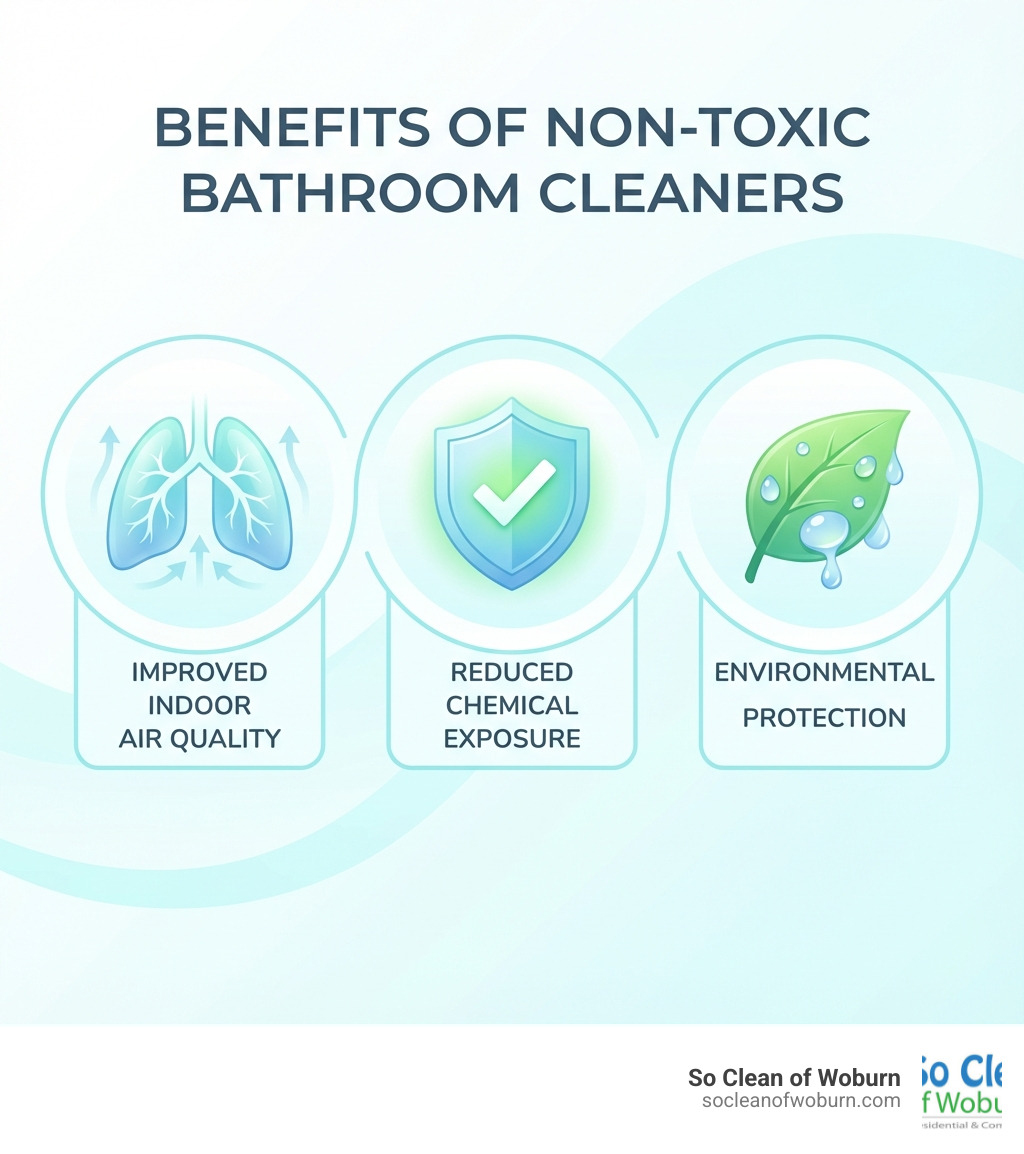
- Improved Indoor Air Quality: Without harsh chemicals vaporizing into the air, your home’s air will be cleaner, with fewer irritants and a healthier breathing environment.
- Safe for Children: Children’s developing bodies are more susceptible to chemical exposure. Non-toxic cleaners ensure that surfaces they touch are free from harmful residues. Some brands even offer concentrates gentle enough for a newborn’s skin yet effective on tough messes.
- Safe for Pets: Our furry friends are often even closer to the floor than our children, and they can be highly sensitive to chemicals. Non-toxic options protect them from ingesting harmful substances or developing skin irritations.
- Reduced Allergy Symptoms: For those who suffer from allergies or asthma, traditional cleaning products can be major triggers. Switching to fragrance-free and chemical-free alternatives can significantly reduce symptoms.
- Peace of Mind: Perhaps one of the greatest benefits is the peace of mind that comes from knowing you’re creating a truly healthy and safe home environment for your loved ones.
By making these simple swaps, you’re not just cleaning; you’re actively investing in creating a healthier home for your family in the Greater Boston area.
Your DIY Non-Toxic Cleaning Toolkit
Creating your own DIY non toxic bathroom cleaner is a fantastic way to save money and control exactly what ingredients you use. It’s often just as effective as store-bought options. Armed with a few simple, biodegradable ingredients, you can keep your bathroom fresh and sparkling. For more inspiration, check out these DIY cleaner recipes.
Essential Natural Ingredients
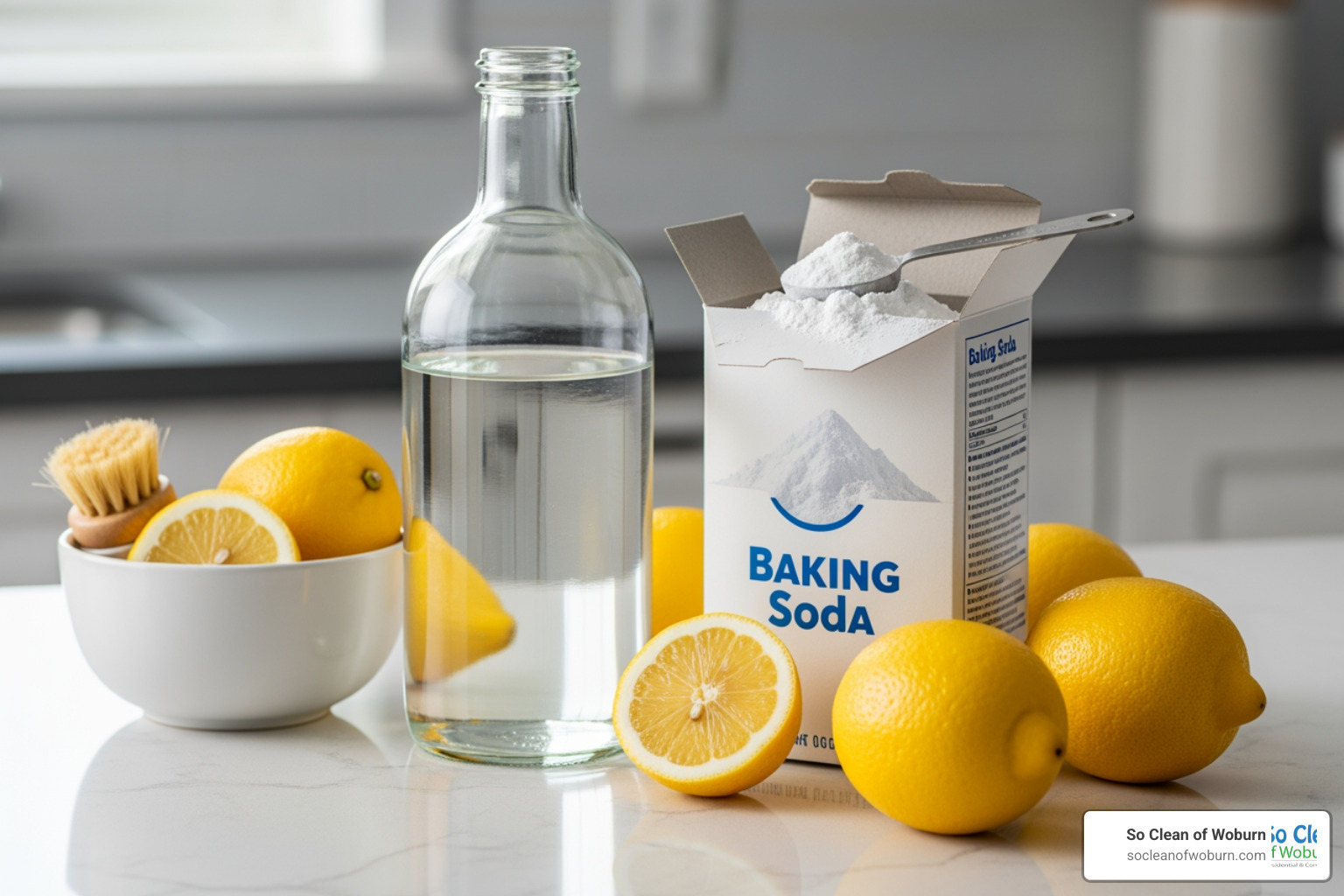
Here are some of our favorite natural powerhouses that form the backbone of most effective DIY non-toxic cleaners:
- White Vinegar: This pantry staple is a cleaning superstar due to its acetic acid content. White vinegar is a natural disinfectant strong enough to kill many types of bacteria and mold. It’s particularly effective at dissolving soap scum and hard water deposits, leaving surfaces streak-free. While not an FDA-registered disinfectant, it is effective against common household germs like Salmonella and E. coli.
- Baking Soda (Sodium Bicarbonate): A mild abrasive, excellent deodorizer, and natural brightener, baking soda is incredibly versatile. When combined with an acid like vinegar, its fizzing reaction helps break apart grease and grime, making stains easier to remove.
- Hydrogen Peroxide: A weak acid, hydrogen peroxide is a fantastic, less harsh alternative to bleach. It can act as a mild bleaching agent to remove discoloration and can kill mold and lighten stains, though it may work more slowly than bleach. Important Safety Note: Hydrogen peroxide can seriously irritate your eyes and skin and is very toxic if ingested. Always wear protective gloves when cleaning with it. Never mix hydrogen peroxide with distilled white vinegar in the same container, as this creates peracetic acid, a corrosive and lung-irritating substance.
- Castile Soap: This gentle, vegetable oil-based liquid soap is a versatile cleanser. It’s excellent for cutting through grease and grime without harsh chemicals, making it ideal for a variety of cleaning tasks.
- Essential Oils (Tea Tree, Lemon, etc.): While primarily used for their pleasant aroma, many essential oils also boast cleaning properties. Tea tree, eucalyptus, lavender, lemon, and thyme oils are considered antiseptic and antibacterial. Tea tree oil, for example, exhibits broad-spectrum antimicrobial activity. Lemon essential oil or lemon juice adds a fresh scent and can increase the cleaning power of other ingredients.
Simple DIY Recipes for a Sparkling Bathroom
With these essential ingredients, we can whip up effective non toxic bathroom cleaner solutions for almost any task. Here are some of our go-to recipes:
- All-Purpose Bathroom Spray:
- 1/4 cup white vinegar
- 2 cups distilled water
- 1 teaspoon castile soap
- 10-15 drops of essential oil (lemon or tea tree are great for bathrooms)
- Combine all ingredients in a spray bottle. Shake gently before each use. Spray on countertops, sinks, and other hard surfaces, then wipe clean with a microfiber cloth. Remember to avoid using vinegar on natural stone surfaces like granite or marble.
- Tub and Tile Scrub:
- 1 2/3 cup baking soda
- 1/2 cup vegetable oil-based liquid soap (like castile soap)
- 1/2 cup water
- 2 tablespoons white vinegar
- In a jar or bowl, combine baking soda and liquid soap first, then slowly add water and vinegar. Mix until a paste forms. Apply with a cloth or sponge, scrub, and rinse well. For tougher soap scum or grout, make a paste of baking soda and a small amount of water, apply, let it sit for a few minutes, then scrub with vinegar until it fizzes, and rinse. This is fantastic for tackling that persistent grime!
- Toilet Bowl Cleaner:
- 1/4 cup baking soda (or borax if preferred)
- 1 cup white vinegar
- Sprinkle baking soda into the toilet bowl, then pour in the vinegar. Let it sit and fizz for 15 minutes. Scrub thoroughly with a toilet brush, then flush. For extra tough stains, you can let it sit for up to an hour before scrubbing. For more detailed plant-based toilet cleaning solutions, check out our Plant-Based Toilet Bowl Cleaner Ultimate Guide.
- Natural Mold Cleaner:
- 1/2 cup borax
- 1/2 cup white vinegar
- Mix to form a paste. Apply to moldy areas, scrub with a brush or sponge, and rinse with water. For tough mold, let it sit for an hour before rinsing. Alternatively, apply undiluted hydrogen peroxide with a spray bottle or sponge to the moldy area, ensuring the surface is wet but not oversaturated. Let it sit for a few minutes, wipe away mold with a damp cloth (do not rinse with water), and allow to air dry. Repeat as needed. For more options, explore our Natural Mold Cleaner.
- Streak-Free Glass Cleaner:
- 1/4 cup white vinegar
- 4 cups warm water
- Combine in a spray bottle. Spray onto mirrors and glass surfaces, then wipe clean with a dry microfiber cloth or even a crumpled piece of newspaper for a truly streak-free shine. The fast evaporation of alcohol-based cleaners also helps avoid streaks, so if you’re looking for commercial options, consider those.
How to Choose the Best Commercial Non Toxic Bathroom Cleaner
We understand that DIY isn’t for everyone. The good news is the market for non toxic bathroom cleaner products is booming. However, this growth brings the challenge of “greenwashing”—when products are marketed as eco-friendly without truly living up to the claim. To make smart choices, we need to be discerning.
When selecting commercial cleaners, reading labels and understanding certifications are paramount. Ingredient transparency is crucial, as is considering the product’s packaging and overall environmental footprint. You can find more comprehensive guidance in our Plant-Based Bathroom Cleaner Guide.
Decoding Labels: What to Look For in a non toxic bathroom cleaner
To cut through the greenwashing and find genuinely safe and effective products, we look for third-party certifications. These labels mean a product has been independently vetted against strict health and environmental standards:
- EWG VERIFIED™: The Environmental Working Group (EWG) rates products on ingredient safety and transparency. An EWG VERIFIED™ badge means a product meets the strictest standards for health and environmental impact, signaling a manufacturer’s commitment to safety. We highly recommend checking EWG’s Guide to Healthy Cleaning for comprehensive product ratings.
- EPA Safer Choice: This label from the U.S. Environmental Protection Agency (EPA) signifies that the product’s ingredients have been reviewed by the EPA’s scientists and meet the Safer Choice Standard, which considers human health and environmental factors.
- Green Seal: Green Seal is a non-profit organization that sets leadership standards for products, services, and companies to reduce environmental, health, and social impacts. Their GS-8 standard for household cleaning products includes strict criteria for biodegradability, aquatic toxicity, prohibited ingredients (like PFAS), and verified performance.
- Leaping Bunny: This certification indicates that a product and its ingredients are cruelty-free and have not been tested on animals.
When you see these certifications, you can be more confident that you’re choosing a truly non toxic bathroom cleaner.
Key Features of an Effective non toxic bathroom cleaner
Beyond certifications, we also look for specific features that indicate both safety and effectiveness:
- Plant-Derived Surfactants: Surfactants bind oil and water, allowing grime to be washed away. Look for plant-derived options like decyl glucoside or Coco-Glucoside. These are effective at dissolving grease without the harshness of petrochemical-based alternatives.
- Biodegradable Ingredients: This means the ingredients will break down naturally in the environment, minimizing their long-term impact on waterways and ecosystems. Many excellent non-toxic brands prioritize biodegradable formulas.
- Fragrance-Free Options: For individuals with sensitivities, or simply to avoid potential respiratory irritants, fragrance-free options are ideal. While essential oils are often used for scent in natural products, many brands offer unscented versions.
- Performance on Soap Scum: An effective non toxic bathroom cleaner should tackle soap scum with ease. Look for products that leverage acidic ingredients (like citric acid or lactic acid) or powerful plant-derived surfactants, as these are excellent at dissolving the mineral deposits and fatty acids that make up soap scum.
- Performance on Hard Water Stains: Hard water stains (limescale) are alkaline, so effective non-toxic solutions often contain natural acids. Citric acid, naturally found in fruits, and lactic acid are fantastic for dissolving these stubborn mineral deposits.
- Refillable Options: To reduce plastic waste, many eco-conscious brands offer refillable packaging. You buy a durable bottle once, then purchase concentrated refills or tablets to mix with water. This is a brilliant way to be sustainable and often more budget-friendly in the long run.
- Recycled Packaging: Look for products housed in packaging made from post-consumer recycled (PCR) plastic or other recycled materials. Some brands even offer water-free, low-waste tablet systems that dissolve in reusable containers, significantly cutting down on packaging and shipping emissions.
By focusing on these features, you can confidently select the best plant-based surface cleaners that meet both your cleaning needs and your commitment to a healthier home.
Frequently Asked Questions about Non-Toxic Cleaning
We often hear many questions when people consider making the switch to non toxic bathroom cleaner options. Let’s address some of the most common concerns:
Are non-toxic cleaners as effective against tough stains like mold and hard water?
Yes, this is a common misconception. Natural cleaning products can rival or even outperform harsh chemical cleaners. The key is using the right active ingredients and allowing for sufficient “dwell time.”
- Mold: While chlorine bleach is often considered the most effective mold killer, we find that hydrogen peroxide can effectively kill mold and lighten stains. It might work more slowly, but it’s a much safer alternative. Tea tree oil also exhibits broad-spectrum antimicrobial activity. White vinegar is also effective against most common household molds. For more specialized solutions, explore options like our Biodegradable Mold Cleaner.
- Hard Water Stains: These stubborn mineral deposits are alkaline. Acidic ingredients, such as citric acid (from lemons or as a powder) or the acetic acid in white vinegar, are highly effective at dissolving them. Simply allow the product to soak for a good period—just like you let conditioner sit in your hair—to allow the cleaning actives to work their magic.
- Dwell Time: This is crucial for many non-toxic cleaners, especially for disinfection or tackling tough stains. Allowing the product to sit on the surface for 5-15 minutes gives the natural ingredients time to break down grime and kill germs effectively.
We often find that natural cleaning products are not only effective but also easier to clean with because you don’t have to worry about dangerous fumes or skin exposure.
Are non-toxic bathroom cleaners more expensive than conventional options?
The perception that non-toxic cleaners are always more expensive is often a barrier. While some premium certified products might have a slightly higher initial price tag, this isn’t always the case, and the long-term value often outweighs the cost.
- DIY Cost Savings: Our absolute favorite budget-friendly option is making your own. DIY natural cleaners, using ingredients like vinegar and baking soda, can be significantly cheaper than even conventional options.
- Concentrated Formulas: Many commercial non-toxic brands offer concentrated formulas. These require less product per use, meaning a single bottle lasts longer. Concentrates also reduce packaging and transportation emissions, making them an eco-friendly and often more economical choice.
- Budget-Friendly Commercial Choices: You don’t have to break the bank to buy non-toxic. Prices can range from about $6 for a smaller bottle to around $30 for larger refills or specialized concentrates, so there are plenty of options across the spectrum.
- Long-Term Health Benefits: Consider the investment in your family’s health. Reducing exposure to harmful chemicals can lead to fewer respiratory issues, skin irritations, and allergies, potentially saving on healthcare costs in the long run.
So, while the upfront cost might sometimes be a little higher for certain specialized products, the overall budget-friendliness of DIY options and the long-term health and environmental benefits make non-toxic cleaning a smart investment.
Can I use a single non-toxic cleaner for the entire bathroom?
For many routine cleaning tasks, a good all-purpose non toxic bathroom cleaner can absolutely do the trick! We often use a simple all-purpose spray for countertops, sinks, and general surface wiping. Brands like ECOS offer effective all-purpose cleaners that can handle most daily grime.
However, just like with conventional cleaning, sometimes you need a little extra firepower for specialized needs:
- Toilet Bowls: While an all-purpose cleaner might work for the exterior, the unique challenges of a toilet bowl often benefit from a dedicated toilet bowl cleaner. These are formulated to cling to the bowl and tackle specific issues. For guidance, check out our Plant-Based Toilet Bowl Cleaner Ultimate Guide.
- Heavy Soap Scum & Hard Water Stains: For very stubborn build-up on tubs, tiles, or shower doors, a more abrasive scrub or a highly acidic solution might be necessary. A specialized tub and tile cleaner or a DIY scrub will be more effective for deep cleaning.
- Mold & Mildew: Once mold is established, you’ll need a cleaner with stronger antimicrobial properties, like those containing hydrogen peroxide, tea tree oil, or borax, as discussed in our DIY section.
- Drains: Clogged drains require a specific approach, often involving a combination of baking soda and vinegar or an enzyme-based drain cleaner, rather than an all-purpose spray.
So, while you can get a lot done with one versatile non toxic bathroom cleaner, having a few specialized non-toxic tools in your arsenal will ensure your entire bathroom stays sparkling clean, no matter the challenge.
A Healthier, Cleaner Home is Within Reach
Making the switch to non toxic bathroom cleaner solutions is one of the easiest and most impactful changes you can make for a healthier home and a healthier planet. We’ve explored the hidden dangers of conventional chemicals, the incredible benefits for your family’s health and indoor air quality, and the power of simple, natural ingredients.
Whether you choose to accept the cost-effective creativity of DIY recipes or opt for the convenience and peace of mind of certified commercial products, easy swaps are within your grasp. Remember to:
- Avoid the Harmfuls: Steer clear of ammonia, bleach, phthalates, and synthetic fragrances.
- Accept Natural Powerhouses: White vinegar, baking soda, hydrogen peroxide, and essential oils are your new best friends.
- Decode Labels: Look for trusted certifications like EWG VERIFIED™, EPA Safer Choice, and Green Seal.
- Consider Sustainability: Opt for biodegradable ingredients, refillable packaging, and brands committed to reducing their environmental footprint.
By choosing non-toxic options, you’re not just cleaning your bathroom; you’re cultivating a nurturing environment free from harsh chemicals, reducing your ecological impact, and promoting overall well-being. It’s a choice that reflects true care for your home and everyone in it.
For residents in the Greater Boston area seeking a professionally cleaned, healthy home, So Clean of Woburn specializes in using effective, eco-friendly methods that deliver impressive results while safeguarding your family’s health. We are proud to offer top-notch, customized cleaning solutions at affordable prices for residential, commercial, and apartment cleaning services across the North Shore, Essex County, and Middlesex County, including towns like Woburn, Andover, Lexington, and many more.
Explore our eco-friendly cleaning products and services and let us help you achieve a truly clean and healthy living space.
Like us on Facebook!