
{"@context": "https://schema.org", "@graph": [{"@type": "Article", "headline": "All Purpose Cleaners Guide | So Clean of Woburn", "description": "Discover the best all purpose cleaners for every need - from eco-friendly to powerful degreasers. Simplify cleaning with our top picks. Shop now!", "author": {"@type": "Person", "name": ""}, "publisher": {"@type": "Organization", "name": "So Clean of Woburn", "logo": {"@type": "ImageObject", "url": "https://150784204.v2.pressablecdn.com/wp-content/uploads/2016/06/so-clean-of-woburn-logo.jpg"}}, "datePublished": "2025-06-03T20:53:25.301918", "dateModified": "2025-06-03T20:53:25.301918", "mainEntityOfPage": {"@type": "WebPage", "@id": "https://socleanofwoburn.com/all-purpose-cleaners/"}}, {"@type": "FAQPage", "mainEntity": [{"@type": "Question", "name": "What are the best types of all-purpose cleaners for different needs?", "acceptedAnswer": {"@type": "Answer", "text": "Conventional cleaners are best for tough grease and disinfecting, plant-based cleaners are ideal for eco-friendly cleaning and sensitive users, concentrates offer cost-effectiveness and less waste, and DIY cleaners are great for customization and budget-friendliness."}}, {"@type": "Question", "name": "How do all-purpose cleaners save time and space in home cleaning?", "acceptedAnswer": {"@type": "Answer", "text": "All-purpose cleaners can replace multiple specialized products, saving money, storage space, and shopping time by handling most cleaning needs with a single bottle."}}, {"@type": "Question", "name": "What makes all-purpose cleaners effective for various cleaning tasks?", "acceptedAnswer": {"@type": "Answer", "text": "They contain a blend of surfactants, solvents, and other ingredients that work together to lift away dirt, cut through grease, and leave surfaces clean."}}, {"@type": "Question", "name": "What are the price ranges for different types of all-purpose cleaners?", "acceptedAnswer": {"@type": "Answer", "text": "Conventional cleaners range from $4-$18, plant-based cleaners from $6-$24, and concentrates from $8-$30."}}]}]}
The Ultimate Guide to All-Purpose Cleaners
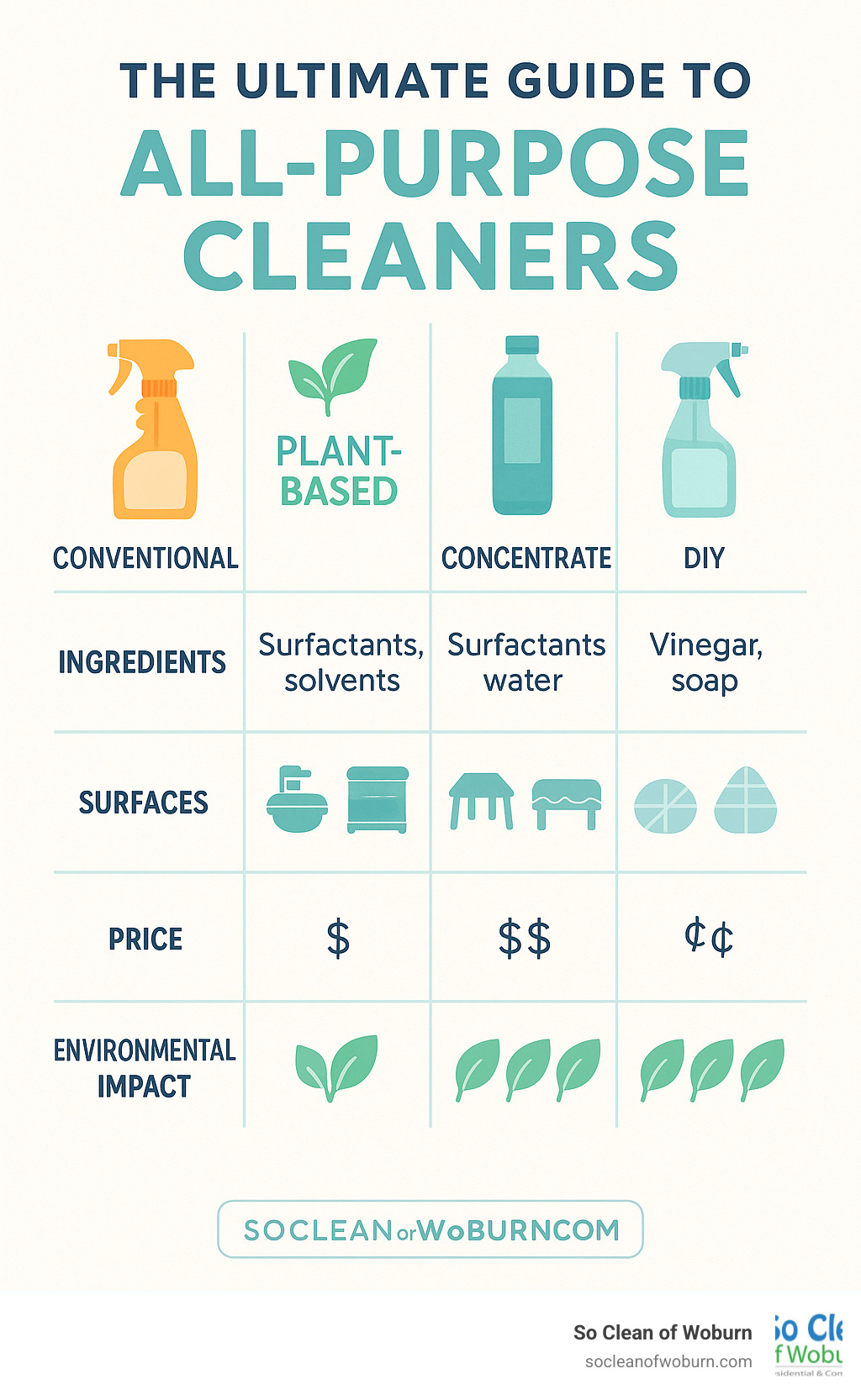
All purpose cleaners are the workhorses of any cleaning routine, designed to tackle multiple surfaces with a single product. If you’re looking for the best options on the market, here’s a quick summary:
| Type | Best For | Price Range | Features |
|---|---|---|---|
| Conventional | Tough grease, disinfecting | $4-$18 | Strong degreasers, often disinfecting |
| Plant-Based | Eco-friendly, sensitive users | $6-$24 | Natural ingredients, gentle formulas |
| Concentrates | Cost-effectiveness, less waste | $8-$30 | Dilutable, economical, less packaging |
| DIY | Customization, budget | Pennies per bottle | Customizable, ultra-affordable |
As a busy professional juggling work, family, and home care, finding cleaning products that simplify your routine without compromising effectiveness is essential. All purpose cleaners offer that rare combination of convenience and versatility that can transform your cleaning routine from overwhelming to manageable.
The Good Housekeeping Institute found that the most versatile cleaners effectively cleaned everything from tile and chrome to concrete and carpet. Meanwhile, some multi-purpose cleaners provide continuous protection against bacteria for a full day, even after surfaces are touched.
What makes these cleaners so valuable is their ability to replace multiple specialized products, saving you money, storage space, and shopping time. Instead of cluttering your cleaning cabinet with separate products for kitchen, bathroom, and living areas, a quality all-purpose cleaner can handle most of your cleaning needs with a single bottle.
Whether you prefer conventional formulas with powerful degreasers, plant-based options with natural ingredients, or even making your own DIY solution for pennies per bottle, the right all-purpose cleaner can dramatically streamline your cleaning routine while keeping your home sparkling clean.
Quick all purpose cleaners definitions:
– eco friendly cleaning products
– healthier home cleaning products
– non toxic cleaning products
What Are All-Purpose Cleaners?
All purpose cleaners are the true workhorses of your cleaning routine – think of them as the Swiss Army knife for your home. These versatile products do the heavy lifting by tackling multiple surfaces with just one bottle, saving you time and cabinet space. They typically contain a thoughtful blend of surfactants, solvents, and other ingredients that work together to lift away dirt, cut through kitchen grease, and leave your surfaces looking fresh and clean.
Cleaning and disinfecting are actually two different processes. Cleaning physically removes germs, dirt, and grime from surfaces, while disinfecting takes it a step further by actually killing germs through chemical action. Some all purpose cleaners handle both jobs, but many focus primarily on the cleaning aspect rather than disinfection.
As we explain in our article on Cleaning vs. Disinfecting: Understanding the Difference in Apartment Building Maintenance, “Cleaning removes germs, dirt, and impurities from surfaces or objects… Disinfecting kills germs on surfaces or objects.”
A quality all purpose cleaner should work effectively on most common household surfaces – your kitchen counters, appliances, bathroom tile, and more. That said, even the most versatile cleaners have their limits, which is why checking the label before using on special surfaces like natural stone or electronics is always a smart move.
How all purpose cleaners differ from multi-purpose sprays
Despite sounding nearly identical, all purpose cleaners and multi-purpose sprays aren’t always interchangeable – and the difference matters for your cleaning results.
All purpose cleaners generally have a broader range, formulated to work effectively across many different surfaces in your home. They can typically handle everything from kitchen counters and bathroom tiles to stainless steel appliances and wooden furniture. When a manufacturer labels something as “all-purpose,” they’re telling you it’s been tested and proven effective across numerous surface types.
Multi-purpose cleaners tend to have more limitations. While they can still clean multiple surfaces, they might not perform equally well on all of them. For instance, many multi-purpose cleaners leave frustrating streaks on glass, making them less than ideal for your windows and mirrors.
I’ve heard many cleaning professionals warn, “Multi-purpose cleaners should not be used on glass as they can leave streaks.” For those sparkling windows, you’re better off using a dedicated glass cleaner or even a simple homemade vinegar solution.
This distinction matters in your daily cleaning routine because using the wrong product can lead to disappointing results, wasted time, and occasionally even damage to your favorite surfaces. When in doubt, take a moment to read the label to understand exactly what the product was designed to clean.
Common ingredients found in all purpose cleaners
Knowing what’s in your all purpose cleaners helps you make smarter choices about which products belong in your Massachusetts home. Here’s what you’ll typically find inside that bottle:
Surfactants are the primary cleaning agents that reduce surface tension, allowing the cleaner to spread out and penetrate stubborn dirt and grime. Common examples include sodium lauryl sulfate and alkyl polyglucoside – these are what give the cleaner its dirt-lifting power.
Solvents like alcohol, glycol ethers, or citrus oils help dissolve stubborn soils that water alone can’t touch. They’re particularly effective on greasy kitchen messes and sticky residues.
Essential oils appear frequently in cleaners, especially natural ones. Lemon, lavender, or tea tree oil provide those pleasant scents we associate with “clean” while offering mild antibacterial properties as a bonus.
Preservatives prevent bacterial growth in water-based formulas, extending shelf life so your cleaner stays effective longer. Common preservatives include benzisothiazolinone and methylisothiazolinone.
pH adjusters like citric acid or sodium hydroxide balance the cleaner’s pH level, optimizing its effectiveness for different types of soils and surfaces.
Conventional cleaners often contain stronger chemicals like ammonia or bleach. While effective, these ingredients can pose health concerns. According to scientific research on indoor air quality, “Many cleaning supplies or household products can irritate the eyes or throat, or cause headaches and other health problems, including cancer.”
Natural or plant-based cleaners typically use biodegradable surfactants derived from coconut or corn, along with plant-based solvents and essential oils. These gentler formulations aim to provide effective cleaning power with fewer potential health impacts – something many of our Greater Boston customers appreciate, especially in homes with children, pets, or family members with respiratory sensitivities.
Comparing Types of All-Purpose Cleaners
With so many options lining store shelves, choosing the right all purpose cleaner can feel like navigating a maze. Let’s break down the main types to help you find your perfect cleaning companion based on your specific needs, preferences, and budget.

Conventional all purpose cleaners: pros & cons
The workhorses of the cleaning world, conventional all purpose cleaners have been our trusted sidekicks for decades. These familiar bottles contain synthetic surfactants, powerful solvents, and sometimes bleach or ammonia for that extra cleaning punch.
When you need to tackle a greasy stovetop after frying chicken or clean up after your kids’ science experiment gone wrong, conventional cleaners shine. Their strong degreasing capabilities make kitchen messes disappear with minimal elbow grease. Many formulations also kill germs on contact, giving you peace of mind about surface hygiene.
Budget-conscious Massachusetts homeowners appreciate that these cleaners won’t break the bank, typically ranging from $4 for basic formulas to $18 for premium options. Plus, they’re readily available at every grocery store from Worcester to Woburn.
However, there’s a trade-off. Many conventional cleaners contain harsh chemicals that might make your eyes water or trigger coughing fits. Products with bleach or ammonia require careful handling—and should never be mixed together unless you’re aiming to create toxic chloramine gas (please don’t!).
Top-rated conventional cleaners stand out as versatile options that work effectively on everything from tile and chrome to concrete and carpet. For homes with young children, some specialized formulas offer continuous protection against bacteria for a full day after application—perfect for those frequently touched surfaces.
Plant-based and non-toxic all purpose cleaners: benefits
As more New England families prioritize health and environmental concerns, plant-based and non-toxic all purpose cleaners have surged in popularity. These gentler alternatives use ingredients derived from plants, minerals, and other natural sources.
Walking through a Massachusetts home cleaned with plant-based products, you’ll notice the difference immediately—no harsh chemical smell, just light, natural fragrances (or none at all). This makes them ideal choices for households with asthma sufferers, young children, or furry family members. As we discuss in our article on Eco-Friendly Cleaning Products, these cleaners “are made from natural, renewable resources that are biodegradable and non-toxic.”
Many plant-based cleaners now carry impressive credentials, like the EPA’s Safer Choice label or the USDA Certified Biobased Product seal. The best eco-friendly options exemplify this category with biobased formulations that clean effectively without the chemical residue.
The price range typically runs from $6 to $24, with concentrates at the higher end but offering more value per use when diluted. While slightly pricier than conventional options, many Massachusetts families find the health benefits worth the extra few dollars.
For those with respiratory concerns, these cleaners can be particularly beneficial. Research on indoor air quality shows conventional cleaners can trigger respiratory symptoms, skin irritation, and headaches—issues far less common with plant-based alternatives. We explore these benefits further in our guide to Non-Toxic Cleaning Products.
DIY all purpose cleaners that work
There’s something uniquely satisfying about creating your own cleaning solutions from simple pantry ingredients. DIY all purpose cleaners offer complete control over what goes into your products while costing mere pennies per bottle—music to the ears of budget-conscious New Englanders.
The classic vinegar and dish soap spray has earned its reputation as a cleaning powerhouse. Mix one cup of white vinegar, one cup of water, and a squirt of dish soap in a spray bottle, and you’ve got an effective cleaner for less than 50 cents. The vinegar provides mild disinfecting properties while the dish soap cuts through grease on countertops and appliances.
For a more robust solution, the borax and castile soap cleaner works wonders on everything from bathroom tile to kitchen counters. Combining two tablespoons of borax, a half teaspoon of liquid castile soap, and optional essential oils in 32 ounces of hot water creates an alkaline, residue-free cleaner that rivals commercial products.
One of the joys of DIY cleaning is customization. You can adjust the scent profile with different essential oils—perhaps invigorating lemon for kitchens, calming lavender for bedrooms, or antimicrobial tea tree for bathroom surfaces. As Massachusetts seasons change, you might find yourself reaching for different scent profiles—pine in winter, citrus in summer.
| Aspect | DIY Cleaners | Commercial Cleaners |
|---|---|---|
| Cost | $0.50-$2 per bottle | $4-$24 per bottle |
| Shelf Life | 1-3 months | 1-2 years |
| Germ Kill | Moderate (with vinegar) | High (with disinfectants) |
| Eco Score | Very High | Varies widely |
| Customization | Complete control | Limited to available options |
| Time Investment | 5-10 minutes to make | None (ready to use) |
“I haven’t purchased a store-bought spray in a long time after perfecting this recipe,” shared one DIY enthusiast from Arlington, referring to her vinegar-based formula. Another Woburn resident noted that homemade cleaners using simple ingredients cost “pennies per bottle and work just as well as the expensive brands for everyday cleaning.”
Whether you prefer the convenience of commercial products or enjoy the satisfaction of DIY solutions, the perfect all purpose cleaner for your Massachusetts home ultimately depends on your priorities—be they budget, environmental impact, or specific cleaning challenges.
How to Choose & Use All-Purpose Cleaners Safely
Selecting the right all purpose cleaner for your needs is just the first step. Using these products safely and effectively requires understanding their limitations, following proper handling procedures, and knowing which surfaces they can and cannot clean.
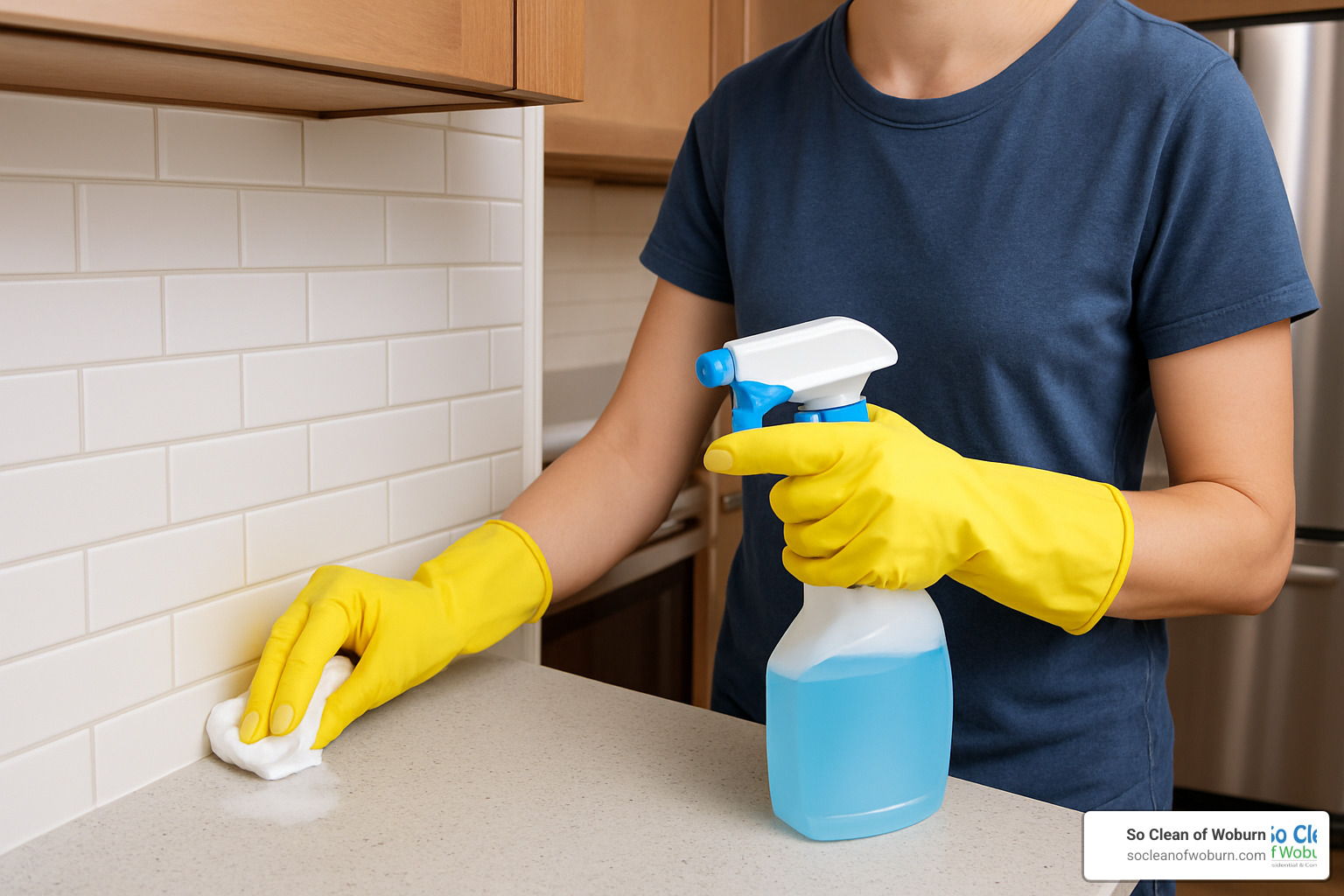
When shopping for cleaners, take a moment to read those labels carefully. Look for EPA registration numbers on products claiming to disinfect, and keep an eye out for the Safer Choice logo if you’re concerned about chemical exposure. I always recommend doing a spot test in an inconspicuous area before using a new cleaner on your favorite surfaces – it’s saved my furniture more than once!
Surfaces that welcome all purpose cleaners
Your all purpose cleaners will happily tackle most household surfaces without complaint. Those sealed stone countertops in your kitchen? They’ll shine beautifully after a quick wipe (just avoid acidic formulas on natural stone). Laminate surfaces – from countertops to furniture – practically beg for an all-purpose cleaner’s attention.
Metal surfaces are particularly responsive to these versatile cleaners. Your stainless steel appliances and chrome fixtures will gleam with minimal effort. Bathroom and kitchen tile also clean up nicely, whether they’re ceramic, porcelain, or another sealed variety.
Even painted walls can benefit from a gentle once-over with a diluted all purpose cleaner when those mysterious smudges appear (we all know kids are somehow magnetic to clean walls!). For upholstery stains, many all-purpose formulas work wonders for spot cleaning – just remember to test a hidden area first.
You can even tackle the exteriors of electronics with a very lightly dampened cloth – though never spray directly onto any electronic device unless you’re hoping to create an expensive paperweight!
The Good Housekeeping Institute found quality all-purpose cleaners particularly versatile, effectively cleaning everything from tile and chrome to concrete, grill grates, and even carpet. It’s like having a cleaning superhero in a bottle.
Surfaces to avoid with all purpose cleaners
Despite their “all purpose” name, these cleaners do have their kryptonite. Unfinished wood is definitely off-limits – the moisture and chemicals can cause warping, discoloration, or raise the grain. That beautiful natural marble countertop? It’s particularly vulnerable to acidic cleaners, which can permanently etch the surface.
Unsealed grout is another no-go zone. Its porous nature means it will eagerly absorb whatever cleaner you apply, potentially leading to discoloration or deterioration over time. And please, keep your all purpose cleaners away from your leather furniture – they can strip the natural oils and leave your once-supple leather dry and damaged.
Silk and other delicate fabrics require specialized cleaning methods, not an all-purpose approach. And those expensive screens on your TV, computer, and phone have special coatings that can be damaged by harsh cleaners.
When in doubt about a surface, I always recommend checking the manufacturer’s guidelines for both the cleaner and the item you’re cleaning. A quick test in an inconspicuous spot can save you from a costly mistake – just apply a small amount and wait 24 hours to check for any adverse reactions.
Storage, handling, and child-safe practices for all purpose cleaners
Keeping your home safe while maintaining its cleanliness requires thoughtful handling of your cleaning arsenal. Always keep all purpose cleaners in their original containers – those labels contain crucial safety information and instructions that you might need in an emergency.
Store your cleaners in cool, dry places away from extreme temperatures that can degrade their effectiveness. Under the sink might seem convenient, but one leaky pipe can damage labels or containers, making them potentially dangerous. Instead, consider a dedicated cleaning cabinet or high shelf.
If you have little ones at home (or they visit regularly), childproofing your cleaning supplies is non-negotiable. A locked cabinet or childproof locks on lower storage areas can prevent curious explorers from accessing these products. One clever parent I know adds a drop of food coloring to homemade cleaners so children won’t mistake them for water – simple but potentially lifesaving.
Most commercial cleaners remain effective for 1-2 years when properly stored, while DIY cleaners typically last just 1-3 months before their effectiveness wanes. I recommend a seasonal cleaning cabinet purge to check expiration dates and assess what needs replacing.
Never mix cleaning products – this isn’t a chemistry experiment you want to conduct in your home. Combining products, especially those containing bleach or ammonia, can create dangerous chemical reactions and toxic gases that could send you to the emergency room.
When using stronger cleaners, open windows or turn on exhaust fans to ensure proper ventilation. Your lungs will thank you, especially if you’re using conventional products that may release VOCs (volatile organic compounds).
For products that claim to disinfect, pay attention to contact time – the surface must remain wet for the specified time on the label (typically 4-10 minutes) to actually kill those germs. And don’t forget to protect your hands with gloves when using stronger formulations regularly.
As we emphasize in our Healthy Home Cleaning guide, “A healthy home is not just about appearance but also about creating an environment that promotes wellbeing.” Safe handling of cleaning products is a cornerstone of that healthy environment for Massachusetts families.
DIY vs. Commercial All-Purpose Cleaners: Which Wins?
The great cleaning showdown: homemade concoctions versus store-bought solutions. If you’ve ever stood in the cleaning aisle wondering whether to pull out your wallet or head home to mix your own all purpose cleaners, you’re not alone. Let’s break down this friendly rivalry across several practical dimensions.
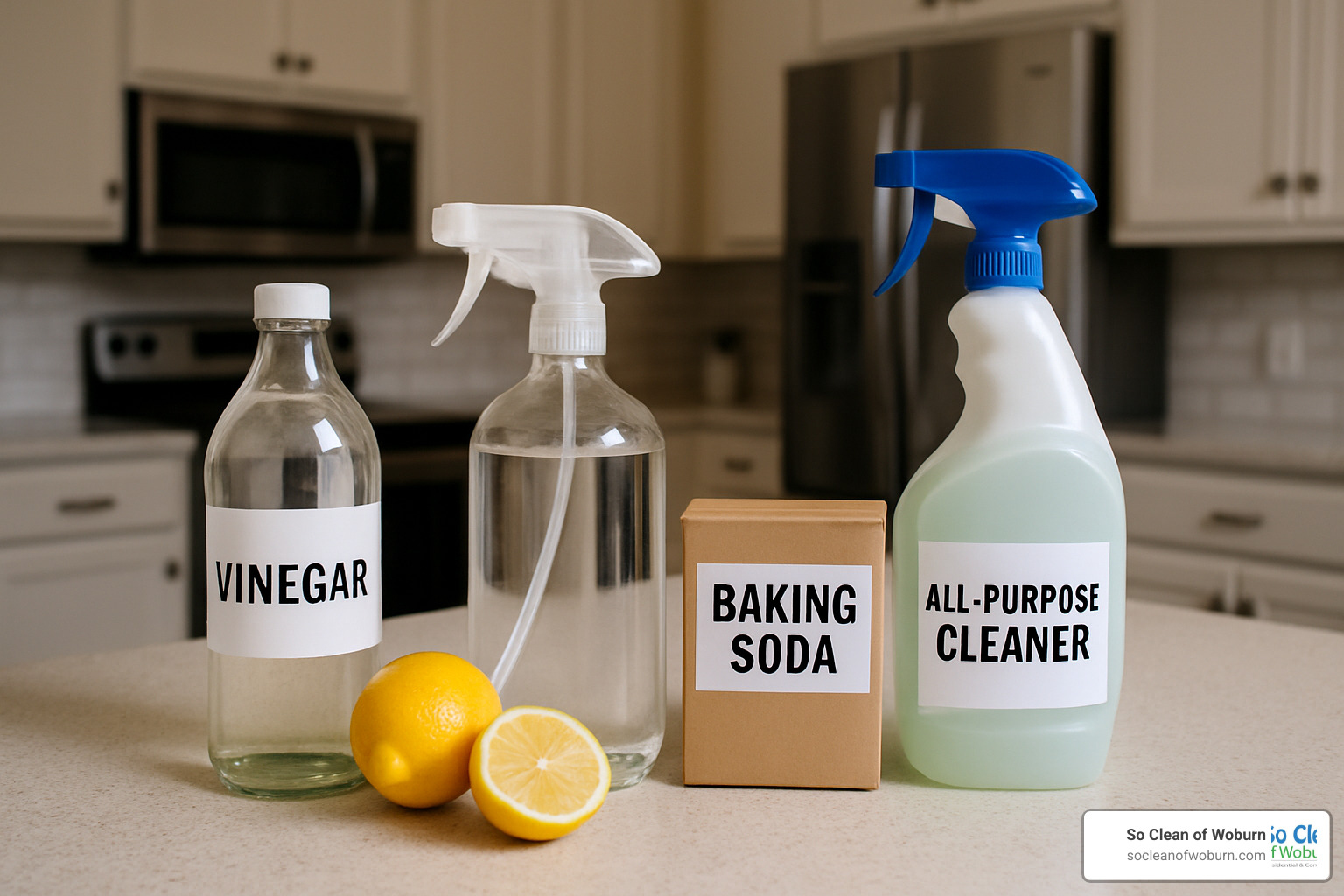
When it comes to your wallet, DIY cleaners take the gold medal by a mile. That homemade vinegar-water-dish soap blend in your spray bottle? It costs somewhere between 50 cents and $2 for a full 32 ounces. Meanwhile, commercial options will set you back anywhere from $4 for basic formulas to $24 for premium plant-based concentrates. One Massachusetts mom told me she tracked her savings after switching to homemade cleaners and was shocked to find she’d kept over $200 in her pocket over the year. That’s a nice dinner out with the family!
But what about cleaning power? This is where commercial products often flex their muscles. Quality commercial cleaners have been engineered to tackle everything from fingerprints on your fridge to mysterious sticky spots on your counters, usually with less elbow grease required. Commercial disinfectants also come with those reassuring EPA registration numbers that confirm their germ-killing abilities.
That said, don’t underestimate humble homemade formulas. “I was skeptical at first,” admits a former professional cleaner from Woburn, “but my simple dish soap and vinegar mix handles 90% of my daily cleaning just as well as the expensive sprays I used to buy.” For regular maintenance cleaning, DIY options often perform admirably—it’s those stubborn, specialized messes where commercial products might justify their price tag.
Convenience is where store-bought cleaners shine brightest. There’s no measuring, mixing, or wondering if you’ve got the right ingredients on hand. Plus, they typically last 1-2 years on the shelf, while your homemade concoctions generally need refreshing every 1-3 months. But once you establish a DIY routine, many people find it takes just minutes to whip up a new batch—and you’ll never have that frustrating moment of running out mid-cleaning session if you keep basic ingredients stocked.
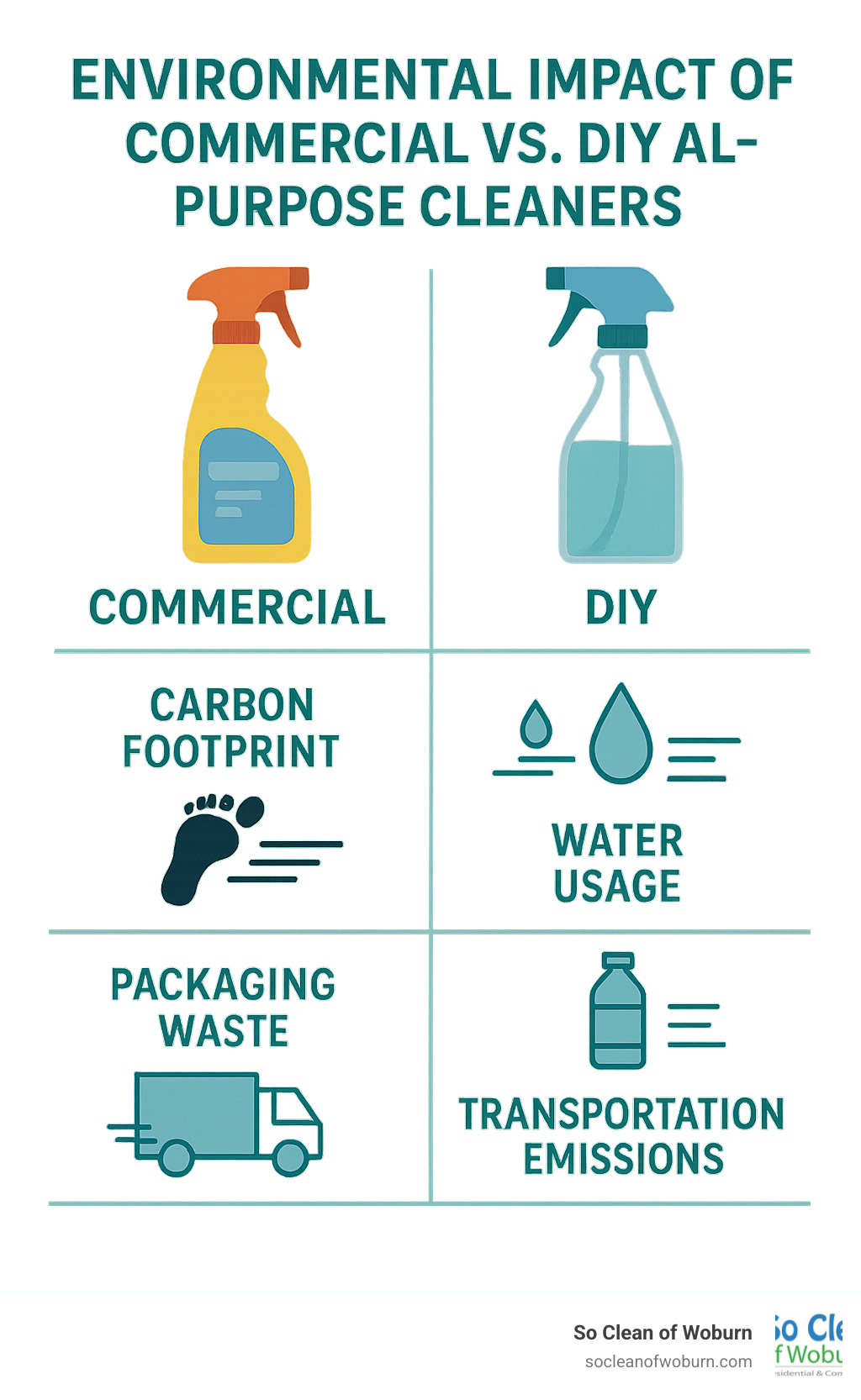
From an environmental perspective, DIY options generally leave a lighter footprint on our beautiful Massachusetts landscape. When you mix your own cleaners, you’re eliminating shipping heavy water-based products across the country, reducing plastic waste (especially if you reuse spray bottles), and typically using simpler ingredients that break down more readily in our waterways. Even the most eco-conscious commercial brands can’t quite match the sustainability of a cleaner you mix in your own kitchen from basic pantry staples.
So what’s the verdict? For most Greater Boston homes, a thoughtful hybrid approach wins the day. Many households find that DIY all purpose cleaners handle daily wipe-downs and routine cleaning beautifully, while keeping a few specialized commercial products on hand for specific challenges makes sense. Think of it as having both a reliable everyday car and a specialized vehicle for certain conditions—each has its perfect use case.
“I make my own cleaner for daily use,” shares one Woburn resident, “but keep a bottle of commercial disinfectant for when someone in the house has been sick. It gives me peace of mind.” This practical approach combines the best of both worlds: savings and sustainability from DIY solutions, with the specialized power of commercial products when truly needed.
At So Clean of Woburn, we understand that every home has unique cleaning preferences. Whether you’re team DIY, loyal to your favorite brands, or somewhere in between, our professional cleaning teams can work with your preferred products to maintain a clean, healthy home environment.
Scent & sensory experience with all purpose cleaners
The fragrance of your all purpose cleaner can transform mundane chores into something almost… enjoyable? It’s true—scent doesn’t just mask odors, it can completely shift your mood and even your perception of cleanliness.
Commercial brands have certainly caught on to our love affair with scent. Many popular brands have built entire followings around their sophisticated botanical blends that make your kitchen smell less like you’ve been cleaning and more like you’ve been visiting a high-end spa. Citrus notes of lemon, orange and grapefruit remain perennial favorites because they signal “clean” to our brains, while herbal combinations like rosemary and mint can leave you feeling refreshed and energized.
“I actually look forward to cleaning my bathroom now,” confessed one Massachusetts homeowner, “because that grapefruit cleaner makes the whole space smell amazing for hours afterward.”
For those with sensitivities or preferences for unscented products, fragrance-free options provide effective cleaning without the aromatic extras. In Good Housekeeping tests, quality fragrance-free formulas “cut through grease quickly without streaking,” proving that performance doesn’t require perfume.
DIY enthusiasts enjoy perhaps the greatest scent freedom of all. With just a few drops of essential oil, you can customize your cleaning experience season by season. Imagine brightening winter cleaning sessions with invigorating peppermint, transitioning to floral lavender in spring, and embracing cozy cinnamon notes when fall arrives. One creative cleaner in Boston changes her essential oil blend monthly “like a home fragrance subscription, but much cheaper!”
Beyond just scent, the sensory experience extends to how products feel during use. Some people love the satisfying foam of spray cleaners, while others prefer the smooth application of gel formulas. These tactile differences might seem minor, but they can make the difference between dreading cleaning day and finding it satisfyingly sensorial.
Myths & misconceptions about all purpose cleaners
Let’s bust some cleaning myths that might be lurking in your housekeeping beliefs about all purpose cleaners. These misconceptions not only waste your money but might leave you with a false sense of security about just how clean your surfaces really are.
Natural equals weak cleaning power? Absolutely false. Today’s plant-based formulations can pack a serious punch against dirt and grime. One Massachusetts mom raved about her switch to a natural cleaner: “It removed bathroom soap scum that my old conventional spray couldn’t touch, and without the eye-watering fumes.” The cleaning effectiveness comes from specific ingredients and their concentrations, not whether they originated in a lab or a plant.
Many people believe the “one spray kills all germs instantly” myth, spraying a surface and immediately wiping it dry. In reality, even powerful disinfectants need specific dwell times—usually 4-10 minutes of remaining wet on the surface—to effectively kill germs. Many all purpose cleaners clean well but don’t disinfect at all unless specifically stated on the label with an EPA registration number. Check the instructions for proper use!
The “bleach supremacy myth” persists despite evidence that many EPA-registered alternatives work just as effectively while being gentler on surfaces, users, and the environment. While bleach certainly has its place in certain cleaning scenarios, it’s not always the best choice for routine cleaning, especially in homes with young children, pets, or people with respiratory sensitivities.
“More product means better cleaning” leads to wasted product and potentially worse results. Using excess cleaner often leaves residue that actually attracts more dirt over time. I’ve seen this in Massachusetts homes where countertops become mysteriously sticky after overzealous application of cleaning products. Follow dilution instructions and remember that for most cleaning tasks, the mechanical action (your scrubbing) is just as important as the chemical action.
The confusion between all-purpose and multi-purpose cleaners continues to trip people up at the store. As we discussed earlier, all purpose cleaners typically work on a wider range of surfaces, while multi-purpose cleaners may have limitations, such as streaking on glass or dulling wood finishes.
And finally, the myth that homemade cleaners can’t be effective persists despite evidence to the contrary. Simple DIY formulas with the right ingredients can handle most daily cleaning beautifully. Vinegar, for example, “can kill pathogens such as Salmonella and E. coli,” though it’s not classified as a disinfectant by the FDA. For most everyday cleaning needs in Greater Boston homes, a well-formulated DIY cleaner can keep surfaces fresh and clean.
Understanding these realities helps you make smarter choices about which cleaners to use and how to use them effectively in your Massachusetts home.
Frequently Asked Questions about All Purpose Cleaners
Do all purpose cleaners disinfect and kill germs?
When it comes to fighting germs, not all all purpose cleaners are created equal. While they’re all designed to remove dirt and some bacteria through physical cleaning, only certain formulations will actually kill the majority of germs lurking on your surfaces.
Looking for a true disinfectant? Check the label for an EPA registration number – this is your assurance that the product has been tested and proven effective against specific pathogens. You’ll also want to note any claims about killing bacteria, viruses, or fungi, and pay attention to the required contact time (how long surfaces need to stay wet).
Products like Lysol Disinfectant Wipes work their magic in just four minutes, while Microban 24 Hour Multi-Purpose Cleaner offers something special – continuous protection that lasts a full day, even after multiple touches. Pretty impressive, right?
For effective disinfection, remember the process matters as much as the product. Start by cleaning visible dirt (germs can hide underneath!), then apply enough disinfectant to keep the surface visibly wet for the entire contact time – often 4-10 minutes. Patience is key here; wiping too soon can leave harmful germs behind.
Many DIY enthusiasts swear by vinegar’s germ-fighting abilities, and they’re not entirely wrong. White vinegar can indeed kill certain pathogens like Salmonella and E. coli. However, it’s worth noting that the FDA doesn’t classify it as a disinfectant, so for high-risk areas like raw meat prep surfaces, you might want to reach for something stronger.
For everyday cleaning throughout most of your home? A standard all purpose cleaner will usually do the job beautifully.
Can I use one product on glass, granite, and stainless steel?
The dream of cleaning multiple surfaces with a single product is absolutely achievable – but it requires choosing the right all purpose cleaner. Glass, granite, and stainless steel each have their own personalities when it comes to cleaning, so finding one product that makes all three happy takes some consideration.
Glass is perhaps the pickiest of the bunch, quick to show streaks from product residue. For streak-free results, look for cleaners specifically labeled “streak-free” or formulations with alcohol that evaporate completely without leaving anything behind.
Natural stone surfaces like granite need gentle handling with pH-neutral cleaners. Acidic products (including those beloved vinegar-based DIY solutions) can etch the surface or damage the sealant over time. Similarly, avoid anything with ammonia or abrasive ingredients that might scratch your beautiful countertops.
Stainless steel is generally more forgiving, but it’s notorious for showing fingerprints and streaks. The ideal product for this surface might include a touch of oil to improve shine and resist those pesky fingerprints.
Some commercial winners that perform well across all three surfaces include Seventh Generation All Purpose Cleaner and Simple Green All-Purpose Cleaner. The Good Housekeeping Institute found that Seventh Generation’s fragrance-free formula “cut through grease quickly without streaking,” making it a versatile choice for multiple surfaces.
If you prefer the DIY route, a simple mixture of castile soap and water works surprisingly well on all three surfaces. Just remember to buff glass with a dry microfiber cloth afterward for that crystal-clear finish.
Your cleaning technique matters too – microfiber cloths generally outperform paper towels, and applying product to your cloth first (rather than spraying directly on surfaces) gives you better control and prevents overspray on delicate areas.
How can I make my cleaning routine more eco-friendly with all purpose cleaners?
Creating an eco-friendly cleaning routine doesn’t have to mean sacrificing effectiveness. With the right all purpose cleaners and a few thoughtful adjustments, you can keep your home sparkling while treading more lightly on the planet.
Concentrated formulas deserve serious consideration in your green cleaning arsenal. Products like Mrs. Meyer’s concentrate require dilution but dramatically reduce packaging waste and transportation emissions. As one satisfied user pointed out, “Mrs. Meyers sells concentrate jugs that users dilute themselves,” making them both environmentally responsible and budget-friendly.
The ingredients in your cleaner matter tremendously. Plant-based options with naturally derived surfactants and solvents generally have a lighter environmental footprint. Seventh Generation All Purpose Cleaner stands out as a “95% USDA Certified Biobased Product and EPA Safer Choice certified,” giving you confidence in both its cleaning power and environmental credentials.
For the smallest possible environmental impact, consider making your own cleaners. Simple recipes using pantry staples like vinegar, baking soda, and castile soap create effective solutions that are biodegradable and require minimal processing. Plus, they’re incredibly economical – often costing just pennies per bottle.
Packaging waste is another consideration where small changes add up. Look for products offering refill options, choose larger sizes to reduce packaging per ounce, and select brands using recycled or recyclable materials. Better yet, reuse your spray bottles for homemade solutions – most commercial spray bottles can be refilled hundreds of times before wearing out.
One of the simplest switches you can make is trading paper towels for reusable microfiber cloths. Not only do these cloths clean more effectively by trapping dirt rather than pushing it around, but they can be washed and reused hundreds of times, dramatically reducing waste.
Your cleaning techniques can also make a difference. Use only the amount of cleaner needed (more isn’t always better!), spot clean when possible instead of tackling entire surfaces, and allow proper dwell time for cleaners to work effectively – this often means you can use less product overall.
At So Clean of Woburn, we’re passionate about environmentally responsible cleaning. As we explain in our Eco-Friendly Cleaning Products guide, green products “are made from natural, renewable resources that are biodegradable and non-toxic.”
By making thoughtful choices about your cleaning products and methods, you can maintain a beautiful, healthy home while honoring your commitment to environmental stewardship.
Conclusion
Finding the perfect all purpose cleaner for your home is like finding a trusted friend who makes your life easier. After exploring the wide world of cleaning solutions together, you’ve now got the knowledge to choose products that align with your values, budget, and cleaning style.
Whether you’re drawn to the convenience of grab-and-go commercial cleaners, enjoy the satisfaction of mixing up your own custom solutions, or prefer a practical mix of both approaches, the right cleaner is the one that works for your unique household needs.
Throughout this guide, we’ve pulled back the curtain on what’s actually in these products, how they work, and which surfaces welcome them with open arms (and which definitely don’t). We’ve separated cleaning fact from fiction and provided practical tips for using these versatile products safely and effectively.
For busy families across Greater Boston—from Woburn to Winchester, Lexington to Burlington—time is precious. All purpose cleaners offer that perfect balance of convenience and effectiveness that can transform your cleaning routine from overwhelming to manageable. One bottle, multiple surfaces, less cabinet clutter, and more time for what truly matters.
At So Clean of Woburn, we understand the delicate balance between maintaining a sparkling clean home and juggling life’s many demands. Our professional cleaning teams bring expertise and flexibility to every home we service, adapting to your preferences whether you’re team eco-friendly, conventional, or somewhere in between.
We’ve seen how the right cleaning approach can transform not just the appearance of a home, but the overall feeling of wellbeing it provides. Our customized cleaning plans ensure your space receives exactly the care it needs—whether that’s regular maintenance to keep things running smoothly or a deep clean to reset your environment.
Your home deserves care that’s as unique as you are. That’s why we take the time to understand your specific needs, preferences, and priorities. Want to learn more about how we can help you maintain a clean, healthy living environment with less stress? Explore our comprehensive house cleaning services and find how we can give you back the gift of time.
The best cleaner isn’t necessarily the most expensive or the one with the fanciest packaging—it’s the one that effectively tackles your specific cleaning challenges while supporting your values about health, environmental impact, and budget. Whether you choose commercial or DIY, conventional or plant-based, the right all purpose cleaner becomes a valuable ally in creating the clean, healthy home you and your family deserve.