
Why the Best Degreasing Cleaners Matter for Your Kitchen
The best degreasing cleaners are specialized formulas for breaking down stubborn oil and grime that ordinary cleaners can’t touch. Based on rigorous testing, here are our top-rated options:
Top Degreasing Cleaners by Category:
- Best Overall: Easy-Off Heavy-Duty Cleaner Degreaser – Removed 90% of baked-on grease in one pass
- Best Value: Zep All-Purpose Cleaner & Degreaser – Reliable performance at just 16 cents per ounce
- Best for Kitchens: Lysol Kitchen Pro Antibacterial Cleaner – Kills 99.9% of germs when allowed to soak for two minutes
- Best Natural: Method Heavy-Duty Degreaser – Plant-based formula that liquifies tough grease
- Best for Ovens: Easy-Off Heavy-Duty Oven Cleaner – Removed burnt-on cooking spray in just 30 seconds
We’ve all dreaded the greasy buildup around the stovetop that won’t budge, no matter how much elbow grease you apply. That sticky film remains even after you’ve tried every all-purpose spray under your sink.
The problem is that grease is oil-based, so water-based cleaners can’t break it down. Degreasers are formulated specifically to tackle oils and fats using powerful surfactants and solvents.
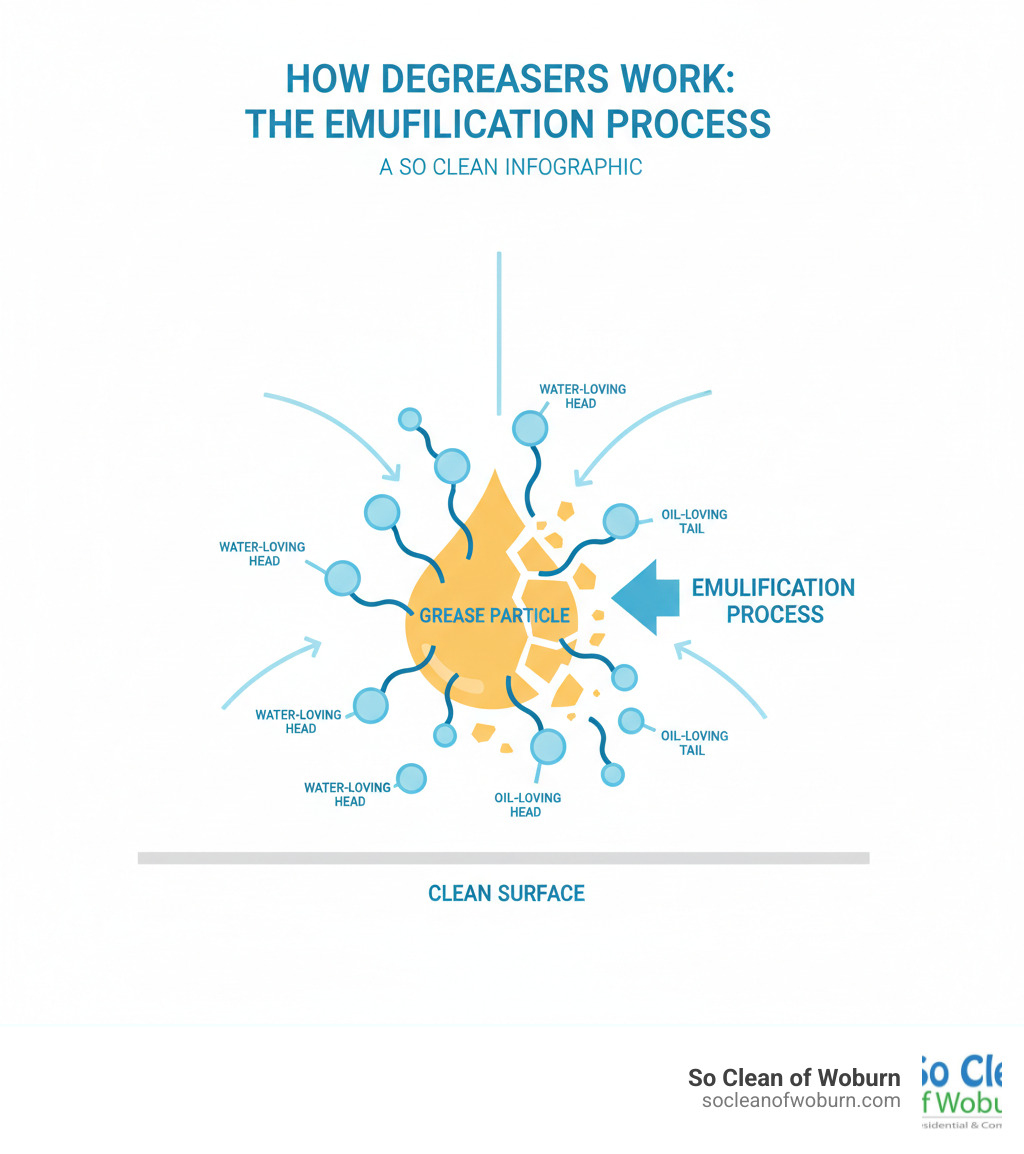
These surfactants emulsify grease, creating a bridge between oil and water that allows you to wipe the mess away. Most degreasers are also alkaline (high pH), which helps them cut through stubborn buildup.
Degreasers come in various forms: sprays for quick spot-cleaning, concentrates for custom strength, and foams that cling to vertical surfaces. The right choice depends on what you’re cleaning—kitchen splatters need different formulas than automotive grease.
I’m Bill McGrath, owner of So Clean of Woburn, and I’ve seen how choosing the best degreasing cleaners transforms kitchens from grimy to gleaming without hours of scrubbing. Understanding how these products work will save you time and frustration.
What to Look for When Choosing a Degreaser
Choosing a degreaser isn’t about grabbing the flashiest bottle; it’s about matching the formula to your specific grease challenge. Light kitchen splatters and heavy-duty automotive oil require different solutions.
Our testing of 15 products confirmed that while all-purpose cleaners handle daily dirt, they can’t compete with specialized degreasers on stubborn, baked-on grease. No amount of scrubbing makes up for using the wrong product.
Prices for degreasers typically range from about $4 for a spray bottle to around $55 for a large concentrate, with some commercial-grade products reaching $100 or more. The key is balancing cost with effectiveness and surface safety.

Understanding Formulations and Types
Degreasers come in several forms, each with a superpower for tackling grease.
Sprays are the most convenient for everyday kitchen use. They’re ready to go for quick spot-cleaning on stovetops and countertops.
Concentrates offer great value and versatility. You can dilute them to different strengths, customizing the cleaning power for light kitchen grease or heavy garage floor oil spills.
Foams are ideal for vertical surfaces like oven doors and backsplashes. The foam clings, giving the active ingredients more dwell time to break down grease before you wipe.
Powders are less common for household use and usually require mixing with water.
Degreasers are also categorized by their base. Water-based degreasers are often preferred for food-safe surfaces, while more potent solvent-based degreasers are ideal for tougher, industrial messes like automotive oils.
Decoding Ingredients and pH Levels
The magic behind the best degreasing cleaners is their chemical makeup, especially their surfactants, solvents, and pH level.
Surfactants are the workhorses. As Katie Pearse, founder of Glisten Academy, explains, “Look for a formula that contains surfactants and solvents, which work to lift and dissolve grease without excessive scrubbing.” These molecules surround grease particles, suspending them in water so they can be wiped away.
Solvents help by dissolving the grease. While many degreasers use strong chemical solvents, citrus-based and plant-derived solvents offer effective cleaning with fewer harsh chemicals and better scents.
pH levels indicate a degreaser’s strength. The pH scale runs from 0 (acidic) to 14 (alkaline), with 7 being neutral. Alkaline cleaners (above pH 7) are designed to tackle oil, grease, and fat.
Most degreasers have a high pH. High pH formulas (11-13) are heavy-duty powerhouses for tough jobs but require careful use. Moderate pH formulas (9-11) are effective for general kitchen use without being overly aggressive.
For eco-conscious cleaning, look for products meeting The EPA’s Safer Choice standards. This certification ensures ingredients are safer for human health and the environment.
Surface Compatibility and Safety
While powerful against grease, degreasers can damage surfaces if used improperly. Knowing what’s safe is critical.
Degreasers work well on stainless steel, tile, concrete, and sealed stone like granite or quartz (always check the label first).
Be careful with other surfaces. Strong degreasers can strip paint, warp unsealed wood, etch marble, or corrode aluminum. They can also damage glass cooktops or tarnish brass and copper.
The golden rule? Always spot test in an inconspicuous area first. Check the manufacturer’s instructions—they’re there for a reason.
For kitchen cabinets, start with dish soap and water. If you must use a degreaser, choose one labeled safe for cabinets and test it first to avoid creating more problems.
Our Guide to the Best Degreasing Cleaners for Every Job
Finding the best degreasing cleaners requires real-world testing. We researched 15 popular products and put the top nine through 6.5 hours of hands-on testing across 7 different challenges, evaluating everything from kitchen grease to automotive grime.
A key part of our evaluation is a hardened grease slurry, baked onto surfaces like stainless steel, ovens, and garage floors to mimic the worst messes. We then use wiping tests to measure how efficiently each degreaser removes the grime and if it leaves residue. This rigorous approach ensures our recommendations are based on what actually works.
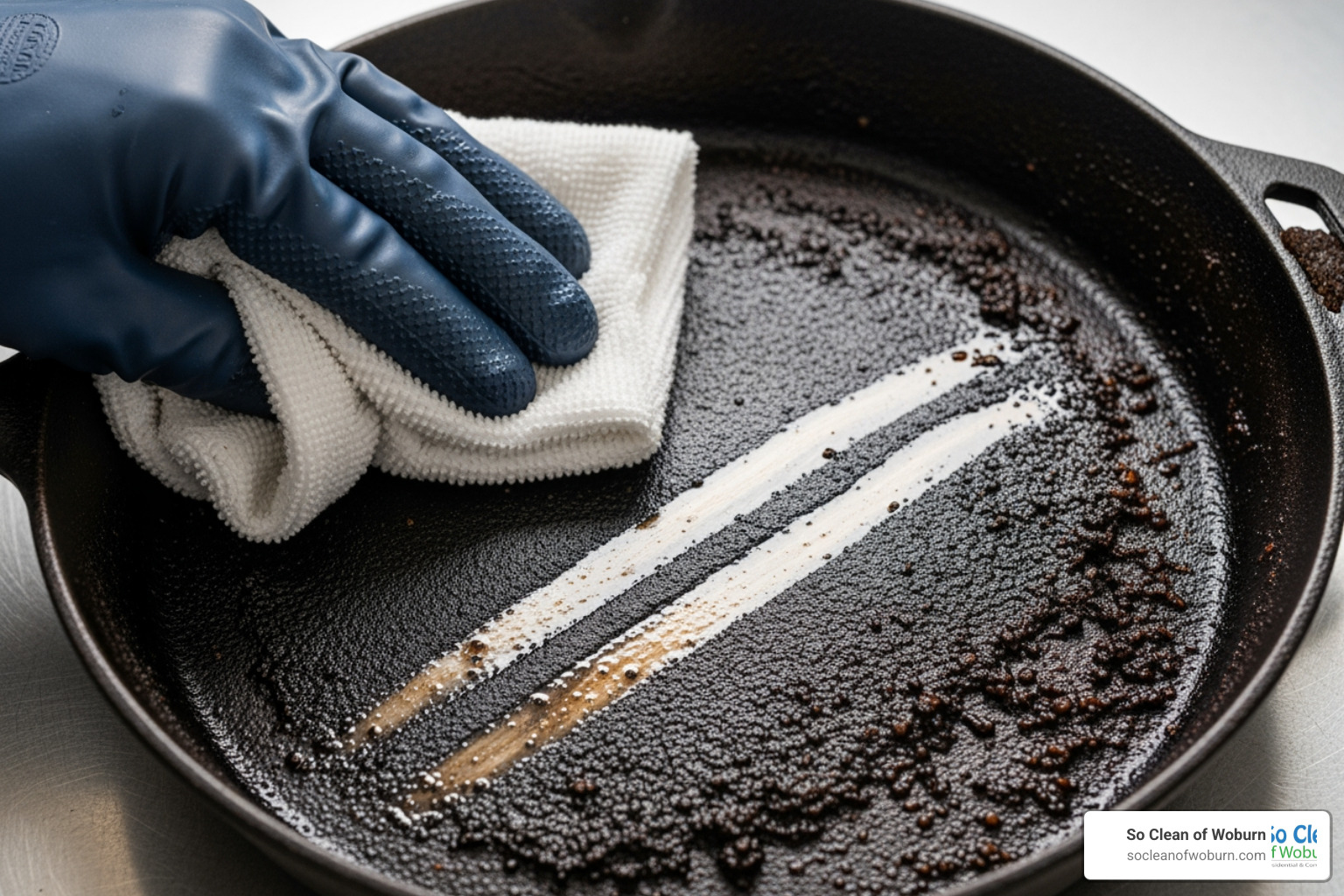
The Best Degreasing Cleaners for Kitchen Stovetops and Counters
Kitchens need degreasers that are tough on grease but safe for food-prep areas. The best options balance power with safety, often using moderate pH levels (9-11) to cut through cooking oils without being too aggressive.
Lysol Kitchen Pro Antibacterial Cleaner tackles grease and kills 99.9% of germs with a two-minute soak. Its citrus scent is pleasant for cleaning everyday splatters on nonporous counters and stovetops. Always rinse food-contact surfaces thoroughly after use.
For plant-based options, Attitude Kitchen Cleaner is EWG Verified and PETA certified, effectively removing stuck-on grease without harsh chemicals. Similarly, Method Heavy-Duty Degreaser liquifies tough grease for an easy wipe-down and comes in a bottle made from 100% recycled plastic. It handles daily messes well, though baked-on grime may need a second pass.
Goo Gone Kitchen Degreaser uses a foaming action that clings to vertical surfaces like range hoods, giving it time to work on caked-on grime.
These kitchen-specific degreasers are food-safe formulas when used correctly. Always rinse surfaces thoroughly to remove any cleaner residue before preparing food.
The Best Degreasing Cleaners for Ovens and Grills
Ovens and grills collect baked-on grease and carbonized food that require serious firepower. This is where high-alkaline formulas (pH 12+) excel, breaking down stubborn, burnt-on layers.
Easy-Off Heavy-Duty Oven Cleaner dominated our tests, removing burnt-on cooking spray from stainless steel in just 30 seconds. It works in warm or cool ovens for spot cleaning or full interior jobs.
For grills, RMR Extreme Degreaser and Cleaner is a champion against intense grease and char. Its power is trusted for fire and water restoration, and it can be diluted for lighter tasks or used at full strength for the toughest grime.
The secret to these products is their foaming action and clinging ability. They grab onto oven walls and grill grates, allowing crucial dwell time for the chemicals to penetrate and do the heavy lifting.
Caution: These are powerful cleaners. Proper ventilation is essential when using them, especially in an enclosed oven. Open windows and turn on a fan to avoid breathing in harsh fumes.
Best for Heavy-Duty Garage and Automotive Tasks
Motor oil and hydraulic fluid require industrial-strength solvent-based concentrates that can be customized for maximum power.
Oil Eater Original Formula Cleaner & Degreaser lives up to its name, removing oil from a concrete garage floor in one wipe during our tests. It’s a powerful yet water-based, biodegradable, and environmentally friendly workhorse for pressure washers and parts washers.
Chemical Guys Signature Series Orange Degreaser is an automotive favorite. This concentrated formula handles motor oil, grime, and caked-on mud. Its dilutable nature is a major benefit—one bottle can make up to six bottles of cleaner. It even cleared burnt cooking oil from stainless steel better than some kitchen products.
Clean-Rite Purple Power Industrial Cleaner Degreaser is another mechanic-approved concentrate. It can be customized for any job, from cleaning greasy tools to tackling heavy oil spills on concrete.
Simple Green All-Purpose Cleaner is a versatile option with EPA Safer Choice certification, though for the absolute toughest automotive grime, one of the more specialized concentrates may be better.
The key to using these concentrates is understanding dilution ratios:
| Task Category | Dilution Ratio (Degreaser:Water) | Example Use |
|---|---|---|
| Light Duty | 1:10 to 1:30 | Light dust, grime on tools, general floor |
| Medium Duty | 1:3 to 1:10 | Greasy tools, engine bay wipe-downs, tires |
| Heavy-Duty | 1:1 to 1:3 (or undiluted) | Caked-on engine grease, concrete oil spills |
| Pressure Washer | Follow pressure washer manual | Large concrete areas, heavy equipment |
These products excel at dissolving petroleum-based oils common in garages and workshops.
How to Use Degreasers Safely and Effectively
Once you’ve picked your degreaser, using it correctly is key for both effectiveness and safety. These powerful cleaners require care.
Application for Maximum Effectiveness
Getting the most from your degreaser is about letting the product do the work.
First, prepare the area by clearing away loose debris. For thick, caked-on grease, a quick scrape with a non-scratch tool helps the degreaser penetrate.
Next, apply generously to fully cover the greasy area. For foaming degreasers, aim for a thick, clinging layer.
The most important step is dwell time. Don’t rush! Letting the product soak is the secret to success, as it gives the surfactants and solvents time to dissolve the grease. This can range from two minutes for a kitchen spray like Lysol Kitchen Pro to 30 minutes or more for baked-on oven grime.
For stubborn spots, a little agitation with a brush or non-scratch pad after soaking can help loosen everything up.
When it’s time to wipe, use a clean cloth. The best degreasing cleaners like Easy-Off can remove up to 90% of an oily mess in just one pass. Finally, rinse thoroughly with a clean, damp cloth. This is crucial on food-prep surfaces to remove any residue and prevent new dirt from sticking.
Always check the product’s label for specific instructions.
Essential Safety Precautions
Degreasers are powerful, so caution is essential to avoid skin irritation, eye damage, or breathing problems.
Always use Personal Protective Equipment (PPE). Wear rubber gloves to protect your skin from corrosive ingredients and safety glasses or goggles to prevent eye splashes.
Ventilation is critical. Harsh fumes can impact indoor air quality and cause respiratory issues or headaches. When using a degreaser, especially for oven cleaning, open windows and turn on an exhaust fan to keep fresh air circulating. Aerosol cleaners can release fine particles into the air, making good ventilation even more important. You can learn more about indoor air pollutants from the American Lung Association.
Always read the product label for specific warnings and first aid instructions. Keep these cleaners stored securely away from children and pets. Ensure surfaces are thoroughly rinsed before pets come into contact with them. And never mix chemicals, as this can create dangerous fumes or reduce effectiveness.
Frequently Asked Questions about Degreasing Cleaners
We hear a lot of the same questions from customers at So Clean of Woburn. Let’s clear up some common confusion around degreasers.
Can I use a degreaser on my kitchen cabinets?
It depends on the cabinet material. The safest approach is to start with dish soap and water, which often works for light grease without risk.
If you must use a degreaser, proceed with extreme caution. You absolutely must test on an inconspicuous spot first—like inside a cabinet door. Apply a small amount, wait a few minutes, and check for any discoloration or damage to the finish.
The biggest risk is with painted or finished wood cabinets, as strong degreasers can strip paint or damage varnish. Even with gentler, plant-based options, always check the label and perform a patch test.
Is vinegar or baking soda a good natural degreaser?
Vinegar and baking soda are great natural cleaners, but it’s important to be realistic about their limits.
Baking soda is a mild abrasive and alkaline, so a paste of baking soda and water can effectively scrub away light grease on stovetops and sinks.
Vinegar is acidic, making it better for mineral deposits and soap scum, not heavy grease. It can’t emulsify oils the way a true degreaser’s surfactants can.
For everyday light grease, baking soda and vinegar are excellent, non-toxic choices. But for baked-on, sticky, carbonized grease, they aren’t as effective as commercial products for heavy-duty jobs. Sometimes you need the specialized chemistry that the best degreasing cleaners provide.
How do I know if I need a degreaser or just an all-purpose cleaner?
This is a key question, as using the right product saves time and energy.
Use all-purpose cleaners for daily dirt, fresh spills, and routine surface wiping. They are gentle enough for frequent use on common household messes.
Use a degreaser for grease that is accumulated, sticky, or baked-on. This includes the tacky film on a range hood, burnt-on oven residue, or motor oil stains on a garage floor.
Here’s the simplest test: if scrubbing with a regular cleaner doesn’t work, it’s time for a degreaser. An all-purpose cleaner lacks the specific surfactants and solvents needed to break down and emulsify stubborn oils, which is what degreasers are designed to do.
Get a Professional Shine, Every Time
Choosing the right degreaser transforms home maintenance. The key is matching the product to the task, whether it’s a moderate pH spray for the kitchen or a powerful concentrate for the garage.
Effectiveness also comes from proper use: allowing dwell time, ensuring ventilation, and wearing protective gear are crucial for safety and results. This combination makes even the toughest messes manageable.
We know life in the Greater Boston area is busy, and deep cleaning doesn’t always fit your schedule. So Clean of Woburn is here to give you a spotless, healthy home without the guesswork or elbow grease.
We serve communities throughout the North Shore, Essex County, and Middlesex County, including Andover, Arlington, Bedford, Belmont, Beverly, Billerica, Boston, Burlington, Cambridge, Danvers, Lexington, Lincoln, Lynnfield, Malden, Medford, Melrose, Middleton, Reading, Somerville, Stoneham, Wakefield, Waltham, Watertown, Wilmington, Winchester, and Woburn. Our residential, commercial, and apartment cleaning services are designed to fit your needs and budget, delivering impressive results while maintaining a healthy environment in your spaces.
Whether you’re dealing with everyday kitchen maintenance or need help with those tougher degreasing jobs, we’re here to help. Let us handle the messy work so you can enjoy a cleaner, fresher space without the effort.
Learn more about our all-purpose cleaning services.