

Why Healthier Home Cleaning Matters
Healthier home cleaning products are formulations that clean effectively without harsh chemicals that can harm your family, pets, or the environment. For busy professionals seeking a safer home environment, here’s what you need to know:
“With ingredients like phthalates and single-use plastic containers, cleaning products can be some of the most toxic for the planet.” – National Geographic
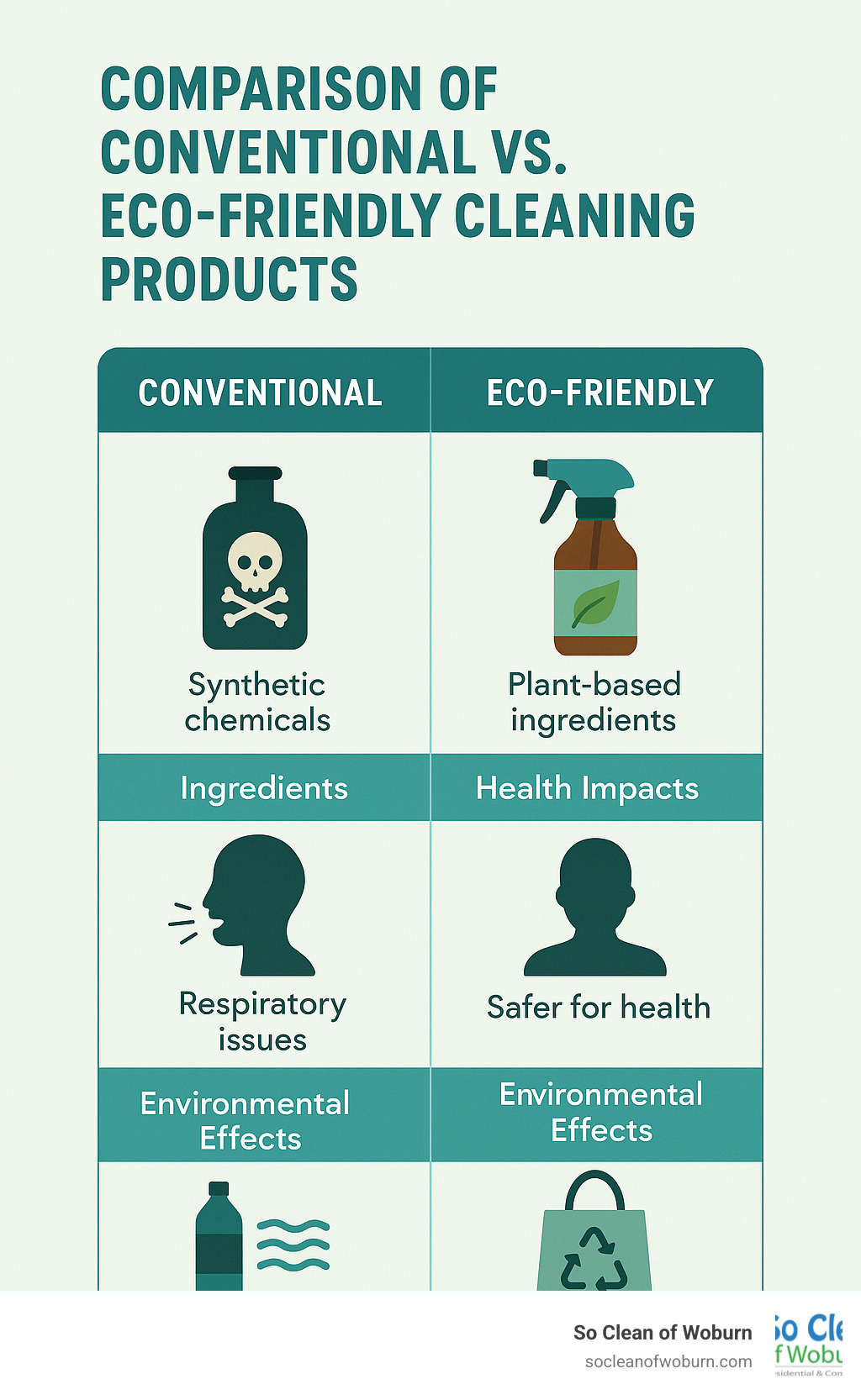
What makes cleaning products “healthier”:
| Feature | Conventional Cleaners | Healthier Alternatives |
|---|---|---|
| Ingredients | Synthetic chemicals, ammonia, chlorine | Plant-based surfactants, essential oils, citric acid |
| Indoor Air Impact | Can release VOCs, reducing air quality by up to 30% | Minimal VOCs, better for respiratory health |
| Packaging | Single-use plastics | Recyclable, compostable, or refillable options |
| Environmental Impact | Often contain non-biodegradable ingredients | Biodegradable formulas that break down naturally |
| Safety | May require gloves, ventilation | Generally safer for use around children and pets |
The Environmental Working Group (EWG) has reviewed over 2,000 cleaning products and found that more than 50% contain ingredients that can harm respiratory health. This is especially concerning since we spend approximately 90% of our time indoors.
Switching to healthier cleaning products isn’t just about protecting your family’s health—it’s also about reducing your environmental footprint. Many eco-friendly cleaners come in sustainable packaging that reduces waste by up to 80% compared to traditional products.
The good news? You don’t have to sacrifice cleaning power to make the switch. Today’s healthier alternatives are formulated to tackle tough messes while being gentler on your home and the planet.
Similar topics to healthier home cleaning products:
– eco friendly cleaning products
– non toxic cleaning products
Healthier Home Cleaning Products: Plant-Based All-Purpose Sprays
When it comes to everyday cleaning, all-purpose sprays are the workhorses of your cleaning arsenal. The good news is that plant-based alternatives have come a long way in recent years, offering powerful cleaning without the harsh chemicals.
I remember when “green cleaning” meant sacrificing cleaning power—those days are thankfully behind us! Today’s plant-based sprays contain plant-derived surfactants from coconut, corn, or other renewable sources that lift dirt just as effectively as their chemical counterparts. Many include essential oils like lavender, tea tree, or citrus that not only smell wonderful but also provide natural antimicrobial properties.
What I love most about these healthier home cleaning products is their biodegradable formulas that break down naturally after use. When I rinse that spray down the drain, I can feel good knowing it won’t harm our waterways or add to pollution.
According to scientific research on respiratory risks, switching to these greener alternatives can reduce indoor air pollution by up to 30%. This is huge for families with little ones, older adults, or anyone with asthma or allergies. Many clients tell us they notice fewer headaches and less irritation after making the switch.
“The first thing people notice when we clean with plant-based products is how fresh their home smells—without that chemical ‘clean’ smell that can actually indicate harmful VOCs in the air.”
Many of these sprays come in reusable trigger bottles or concentrated refills, which means less plastic waste. At So Clean of Woburn, we’ve seen how our clients throughout Middlesex County appreciate both the cleaning results and how their homes feel afterward. Want to learn more about options? Check out our guide to Eco-Friendly Cleaning Products.
Advantages of Healthier Home Cleaning Products in Daily Surface Care
The benefits of using healthier home cleaning products go way beyond just being kind to Mother Earth (though that’s certainly important!).
When I’m cleaning kitchen counters or bathroom surfaces with plant-based sprays, I notice they leave a quick-dry shine without streaks. This isn’t just my imagination—many natural cleaners leave less residue than their chemical counterparts, resulting in gleaming surfaces that dry faster.
Don’t be fooled into thinking natural means wimpy! These formulas offer surprisingly powerful grease cutting abilities. The citrus oils and plant-derived surfactants in many eco-friendly sprays make short work of kitchen splatter and sticky messes.
Another advantage I appreciate is the pH-balanced formulation of most natural cleaners. Unlike harsh alkaline products that can damage finishes over time, these gentler options clean effectively without slowly eating away at your beautiful surfaces.
Perhaps most importantly for families, these products create kid-safe kitchens. When little hands touch that counter or your dog licks something off the floor, you’ll have peace of mind knowing the residues left behind aren’t harmful.
Ingredients to Look For & Avoid
Becoming label-savvy is your superpower when shopping for healthier home cleaning products. Here’s my quick guide to navigating those ingredient lists:
The good stuff to seek out: coconut-derived glucosides that clean gently but effectively, citric acid that naturally descales and brightens, good old sodium bicarbonate (baking soda) for natural scrubbing power, and plant-based essential oils for natural fragrance.
On the flip side, be wary of ammonia which can irritate your lungs and eyes, chlorine bleach that’s harsh on both surfaces and respiratory systems, synthetic fragrances (often hiding phthalates linked to hormone disruption), and quaternary ammonium compounds (“quats”) that can trigger asthma symptoms.
The Environmental Working Group’s scientific research on biodegradable surfactants offers a comprehensive database where you can check specific products before purchasing. A good rule of thumb? Products with shorter ingredient lists tend to be safer options.
At So Clean of Woburn, we’ve tested countless products to find ones that meet our high standards for both cleaning power and safety. When we leave your home sparkling clean, you can breathe easy—literally—knowing we’ve used products that protect your family’s health while tackling dirt and grime. Want to learn more about our approach? Visit our Healthy Home Cleaning page.
Mineral Powder Scrubs for Tough Jobs
For stubborn bathroom grime, baked-on food, or those frustrating cleaning challenges that have you reaching for harsh chemicals, mineral-based powder scrubs offer a powerful yet gentler solution that your surfaces (and lungs) will thank you for.

When we recommend healthier home cleaning products to our clients in Woburn and surrounding areas, mineral scrubs are often our secret weapon for tough jobs. These powder cleansers harness the power of nature with ingredients like feldspar and limestone abrasives that scrub without scratching delicate surfaces. The addition of baking soda provides that extra gentle abrasion while naturally deodorizing smelly drains and surfaces.
What makes these products truly special is their simplicity. Take Bon Ami Powder Cleanser, for example – it contains just five naturally occurring or biodegradable ingredients. This refreshing simplicity stands in stark contrast to conventional scrubs that might contain a chemistry lab’s worth of synthetic chemicals.
“I was skeptical at first,” shares one of our regular clients in Arlington, “but these mineral scrubs tackled the soap scum in my shower that nothing else would touch – and I didn’t have to hold my breath while cleaning!”
The environmental benefits extend beyond what’s inside the container. Most mineral scrubs come in zero-plastic packaging – typically simple cardboard or metal containers that are not only recyclable but often made from recycled materials themselves. It’s a small detail that makes a big difference for our planet.
| Feature | Mineral Powder Scrubs | Bleach-Based Cleaners |
|---|---|---|
| Abrasion | Natural minerals provide physical cleaning | Chemical reaction does the cleaning |
| Respiratory Impact | Minimal irritation when used as directed | Can release chlorine gas, irritating airways |
| Surface Safety | Generally safe on most surfaces when tested first | Can damage or discolor many surfaces |
| Environmental Impact | Minerals return to nature | Chlorine compounds can harm aquatic life |
| Packaging | Often in cardboard or metal containers | Usually in plastic bottles |
At So Clean of Woburn, we’ve seen how effective these powder cleansers are when tackling bathroom fixtures in homes throughout Arlington, Bedford, and Burlington MA. Our cleaning teams particularly love using them on tubs with stubborn soap scum and sinks with hard water buildup. The results speak for themselves – a sparkling clean finish without the harsh chemical smell or residue.
The best part? These natural powerhouses are typically more affordable than their chemical counterparts, proving that making healthier choices doesn’t have to break the bank. For those tough cleaning jobs that seem impossible without harsh chemicals, give mineral powder scrubs a try – your home (and your respiratory system) will thank you.
Concentrated Liquid Cleaners You Dilute at Home
Concentrated cleaners are the smart shopper’s secret weapon in healthier home cleaning products. These mighty little bottles pack a powerful punch that, when mixed with water at home, create effective cleaners while dramatically shrinking your environmental footprint.
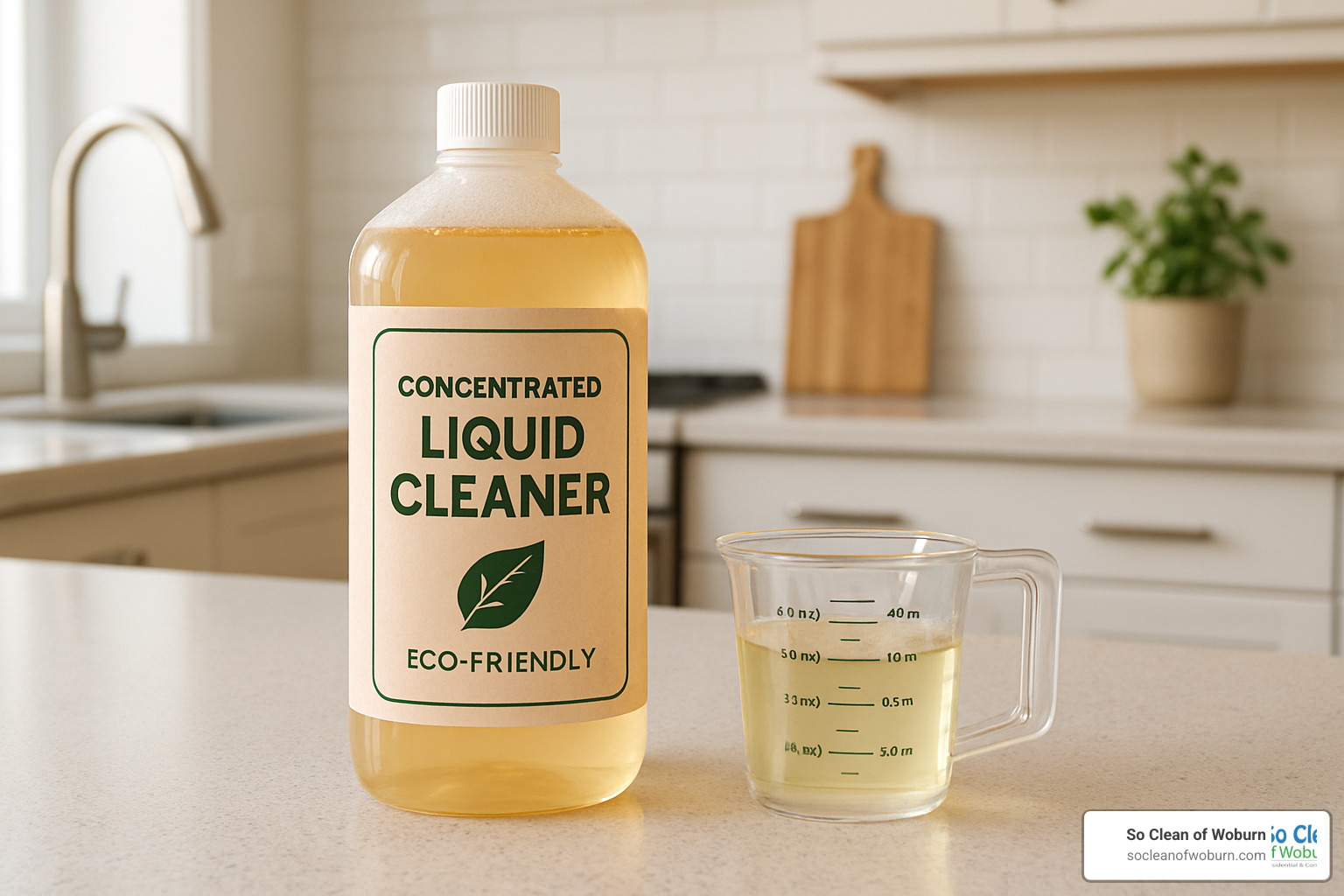
Think about it – when you buy ready-to-use cleaners, you’re mostly paying to ship water around the country! Concentrates solve this problem beautifully. One tiny bottle of Dr. Bronner’s Sal Suds, for example, can replace dozens of single-use cleaning products, creating less plastic waste and requiring less fuel to transport. Our research shows these concentrated formulas can reduce packaging and shipping emissions by up to 60% – that’s a win for both your wallet and the planet.
The versatility of these products is truly impressive. Castile soap bases can clean everything from your kitchen counters to your shower tiles with just a simple dilution adjustment. Multi-purpose concentrates might cost a bit more upfront, but the cost per cleaning session drops dramatically – sometimes pennies per use compared to dollars for pre-mixed products. And those surfactant blends? They’re cleaning powerhouses that can be customized for different jobs just by changing how much water you add.
At So Clean of Woburn, we’ve helped many families in Lexington, Lincoln, and Lynnfield set up simple home cleaning systems with concentrates. The trick is to keep a few clearly labeled spray bottles ready to go – perhaps one for bathroom surfaces, another for kitchen counters, and a third for glass and mirrors. A measuring spoon or small cup ensures you’re using just the right amount every time.
Getting the dilution right matters – too concentrated and you might leave residue or waste product, too diluted and you’ll wonder why things aren’t getting clean. But once you find that sweet spot, you’ll never want to go back to bulky pre-mixed cleaners.
Want to learn more about creating a truly healthy home cleaning routine? We’re always happy to share our professional insights with homeowners throughout Middlesex County who are looking to make their cleaning routines more sustainable without sacrificing effectiveness.
Low-Waste Laundry & Dish Solutions
The laundry room and kitchen are two places where traditional cleaning products often create mountains of plastic waste. Thankfully, innovative healthier home cleaning products are changing these spaces with clever low-waste alternatives that work just as well as their conventional counterparts.
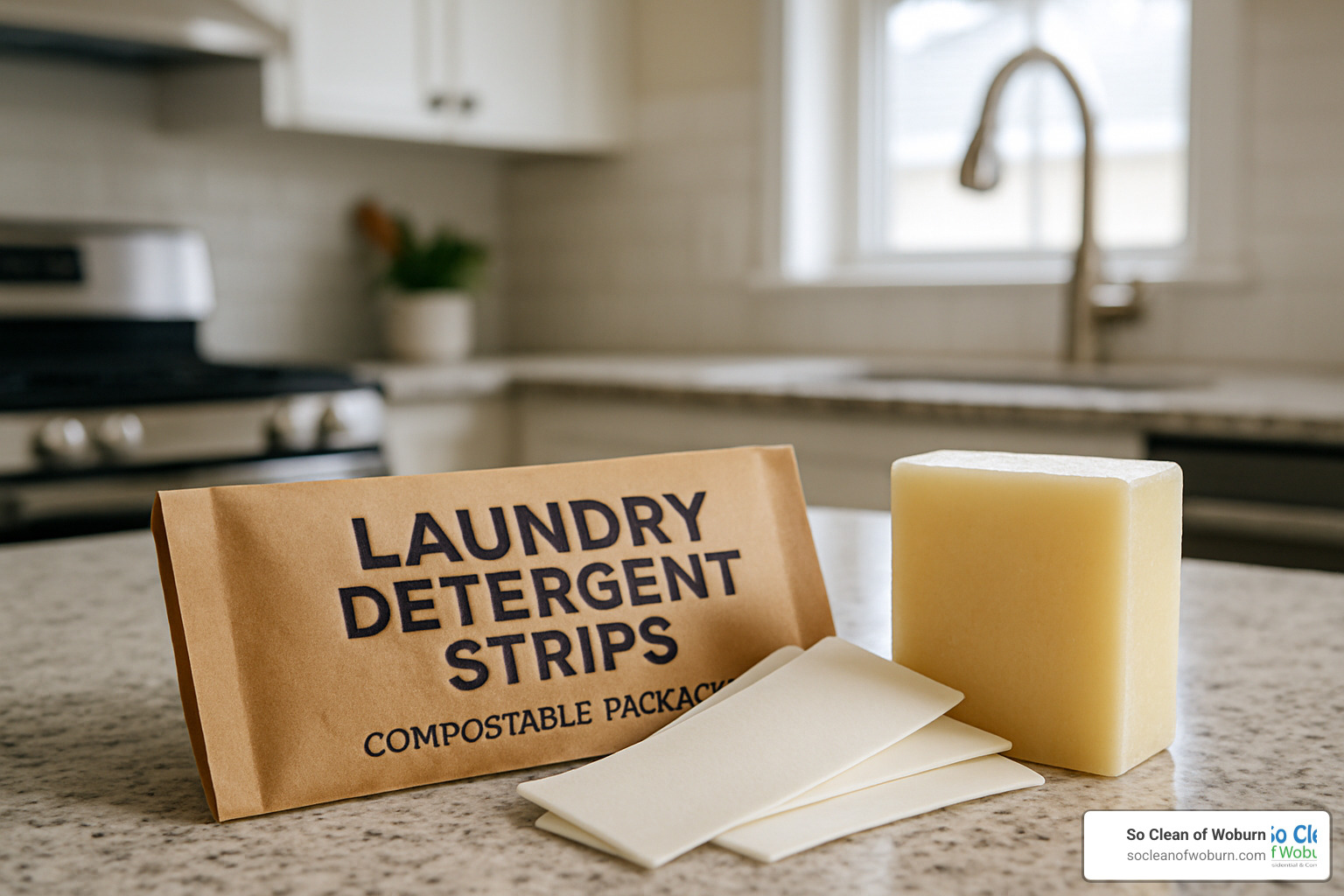
Have you ever noticed how much space laundry detergent bottles take up in your recycling bin? Laundry detergent strips are changing that reality completely. These thin, lightweight sheets dissolve fully in your washing machine, leaving no trace behind except clean clothes. They come in simple paper packaging that you can compost or recycle, take up barely any storage space in your laundry room, and work beautifully even in cold water—helping you save on energy bills too.
Products like Tru Earth Laundry Strips have earned certifications for being cruelty-free and vegan, reflecting a growing demand for cleaning products that align with broader ethical values. Since they’re ultra-concentrated without water weight, you’re not paying extra shipping costs for something you already have at home—water.
In the kitchen, dish soap bars are making a splashy comeback. These solid cleaners eliminate the need for plastic bottles entirely, often come wrapped in simple compostable paper, and typically outlast their liquid cousins by weeks or even months. Many home cleaners are finding these bars can pull double-duty as laundry stain treatments too—talk about versatility!
For those with dishwashers, powder cleaners and tablets in cardboard packaging offer a much smarter alternative to liquid detergents in plastic bottles. The environmental benefits extend beyond just packaging—many of these products help reduce microplastic pollution. Conventional liquid products often contain tiny plastic particles as thickeners or stabilizers that eventually make their way into our waterways and drinking water.
We’ve noticed a genuine shift among our clients in Cambridge, Danvers, and Malden who are increasingly curious about these low-waste options. Families especially appreciate being able to reduce their environmental footprint without sacrificing the clean homes they deserve.
Are Healthier Home Cleaning Products as Effective on Laundry and Dishes?
“But do they actually work?” This is probably the number one question we hear when recommending healthier home cleaning products to our clients. The good news is that today’s eco-friendly options have come a long way in effectiveness.
For your laundry needs, many natural formulas now incorporate plant-based enzyme boosters that target specific types of stains—whether protein-based (like blood or grass), starch-based (like pasta sauce), or oil-based (like salad dressing). Independent testing shows these products perform comparably to conventional detergents on everyday stains, though some stubborn marks might need a little pre-treatment or extra soaking time.
When it comes to dishes, plant-derived surfactants do an impressive job cutting through grease and food residue. You might need to use a bit more product for particularly greasy pans, but the cleaning power is definitely there. And eco-friendly dishwasher detergents have improved dramatically in recent years—many now clean just as effectively as their conventional counterparts.
The price comparison is interesting too. While you might experience a bit of sticker shock at first glance, the math often works out in favor of healthier alternatives when you calculate cost-per-wash:
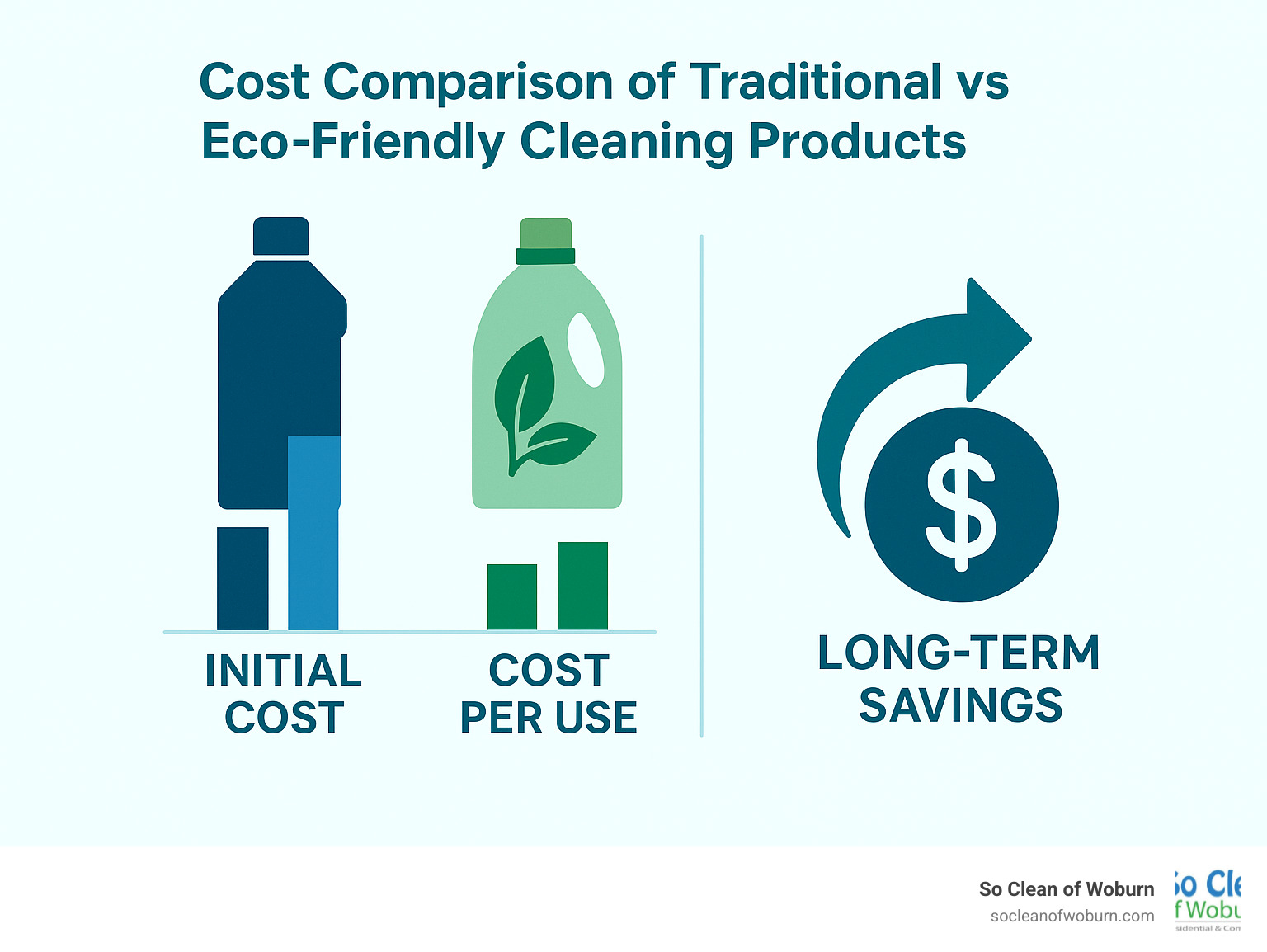
Concentrated formulas require smaller amounts per load, solid products typically last longer than liquids, and many eco-friendly brands now offer refill options at reduced prices. According to research from biodegradable surfactants studies, these plant-based alternatives break down more completely in the environment while still maintaining cleaning power.
At So Clean of Woburn, our experience with clients in Medford, Melrose, and Middleton shows that most people are pleasantly surprised by how well these products perform once they make the switch. The key is setting realistic expectations and understanding that some products might require slight adjustments to your cleaning routine. For more information about creating a healthier home environment, check out our guide to Healthy Home Cleaning.
Frequently Asked Questions about Safer Cleaning
When families across Winchester, Woburn, and other Massachusetts communities reach out to us at So Clean of Woburn, they often have similar questions about making the switch to healthier home cleaning products. Let’s address the most common concerns we hear:
How can I verify a product’s safety and eco-friendliness?
Walking down the cleaning aisle can feel like navigating a sea of confusing claims. Those attractive bottles proudly displaying terms like “natural,” “green,” or “eco-friendly” might catch your eye—but did you know these terms aren’t actually regulated? That’s right—any manufacturer can use them regardless of what’s inside the bottle.
Instead of taking marketing claims at face value, look for trusted third-party certifications:
EPA Safer Choice labels indicate products that meet strict safety criteria while maintaining performance. Green Seal certification demonstrates environmental leadership, while USDA Certified Biobased tells you exactly what percentage comes from renewable sources. For the most stringent standards, EWG VERIFIED products have passed the Environmental Working Group’s rigorous ingredient assessment.
Not sure about a specific product? The EWG’s Guide to Healthy Cleaning is a fantastic resource—available both online and as a mobile app—that lets you check ratings while you shop. Many of our clients in Reading and Somerville keep this app handy for quick reference.
Do natural formulas disinfect as well as chemicals?
This question gets to the heart of an important distinction. Most healthier home cleaning products excel at cleaning—removing dirt, grime, and even some germs through physical action. But disinfecting (killing 99.9% of germs) is a different matter.
For everyday cleaning, natural products work wonderfully. For situations where true disinfection matters—like during cold and flu season or for raw meat surfaces—look for natural disinfectants containing ingredients like alcohol (at least 70%), hydrogen peroxide, thymol (from thyme oil), or concentrated citric acid.
One tip our Stoneham clients appreciate: natural disinfectants often need longer contact times to work effectively. While a conventional disinfectant might need 30 seconds, a natural alternative might require 5-10 minutes of wet contact time. Always check the label instructions for best results.
Will switching raise my cleaning budget?
“I’d love to use safer products, but aren’t they expensive?” We hear this concern often, especially from our clients in Wakefield and Waltham.
The honest answer has several dimensions. Yes, the sticker price of healthier home cleaning products is typically higher than conventional options. However, many concentrated formulas require just a tiny amount per use, making the cost-per-cleaning session comparable or sometimes even lower.
Consider this real-world example: A $12 bottle of conventional all-purpose cleaner might seem cheaper than a $20 natural concentrate. But if that concentrate makes 8 bottles of ready-to-use spray while the conventional product makes just one, you’re actually saving money in the long run ($2.50 vs $12 per bottle).
Many families find success with a gradual transition approach—replacing products one by one as they run out, starting with the ones used most frequently or around vulnerable family members like children or pets.

For most of our Watertown clients, the peace of mind that comes from knowing they’re creating a healthier home environment ultimately outweighs any modest increase in cleaning expenses. As one client told us recently, “I’d rather spend a few dollars more on cleaning supplies than worry about what my toddler is breathing in or touching.”
Need more guidance on transitioning to safer cleaning products? Our team at So Clean of Woburn is always happy to share recommendations based on what works best in homes throughout Middlesex County.
DIY Alternatives for Budget-Conscious Households
For those looking to save money while still using healthier home cleaning products, DIY solutions can be extremely effective. These homemade cleaners use simple ingredients that are affordable and readily available.
All-Purpose Cleaner
- Mix equal parts white vinegar and water in a spray bottle
- Add 10-15 drops of essential oil (like lemon, tea tree, or lavender) for fragrance and added cleaning power
- Use on countertops, sinks, and most surfaces (avoid natural stone)
Glass Cleaner
- Combine 3 tablespoons white vinegar, 1 quart water, and 1 teaspoon lemon juice
- Shake well and use with a microfiber cloth for streak-free windows and mirrors
Bathroom Scrub
- Mix 1/4 cup baking soda with enough water to form a paste
- For tougher jobs, add a small amount of castile soap
- Scrub with a brush or sponge, then rinse thoroughly
Carpet Freshener
- Sprinkle baking soda on carpets (add a few drops of essential oil if desired)
- Let sit for 15-30 minutes, then vacuum thoroughly
These DIY solutions are not only economical but also allow you to control exactly what goes into your cleaning products. Many of our clients in Wilmington, Winchester, and Woburn MA keep a few basic ingredients on hand for quick cleaning solutions between professional cleanings.
As with any cleaner, always test homemade solutions on a small, inconspicuous area first to ensure they won’t damage surfaces.
The Professional Approach to Healthier Cleaning
At So Clean of Woburn, we understand that not everyone has the time or desire to become an expert on healthier home cleaning products. Between juggling work, family, and life’s many responsibilities, researching eco-friendly cleaners might fall to the bottom of your priority list—and that’s completely okay.
That’s where our professional cleaning services come in. We’ve already done the research, testing, and training so you don’t have to.
Our approach combines several key elements that make healthier cleaning both effective and hassle-free:
First, we bring expert knowledge to every home we clean. Our team knows exactly which plant-based products work best for your granite countertops versus your hardwood floors. We understand which natural ingredients tackle bathroom soap scum most effectively and which gentle solutions keep your mirrors streak-free.
Second, we use professional-grade equipment that improves cleaning power without harsh chemicals. Our microfiber systems, HEPA-filtered vacuums, and specialized tools often clean more thoroughly with less product than conventional methods.
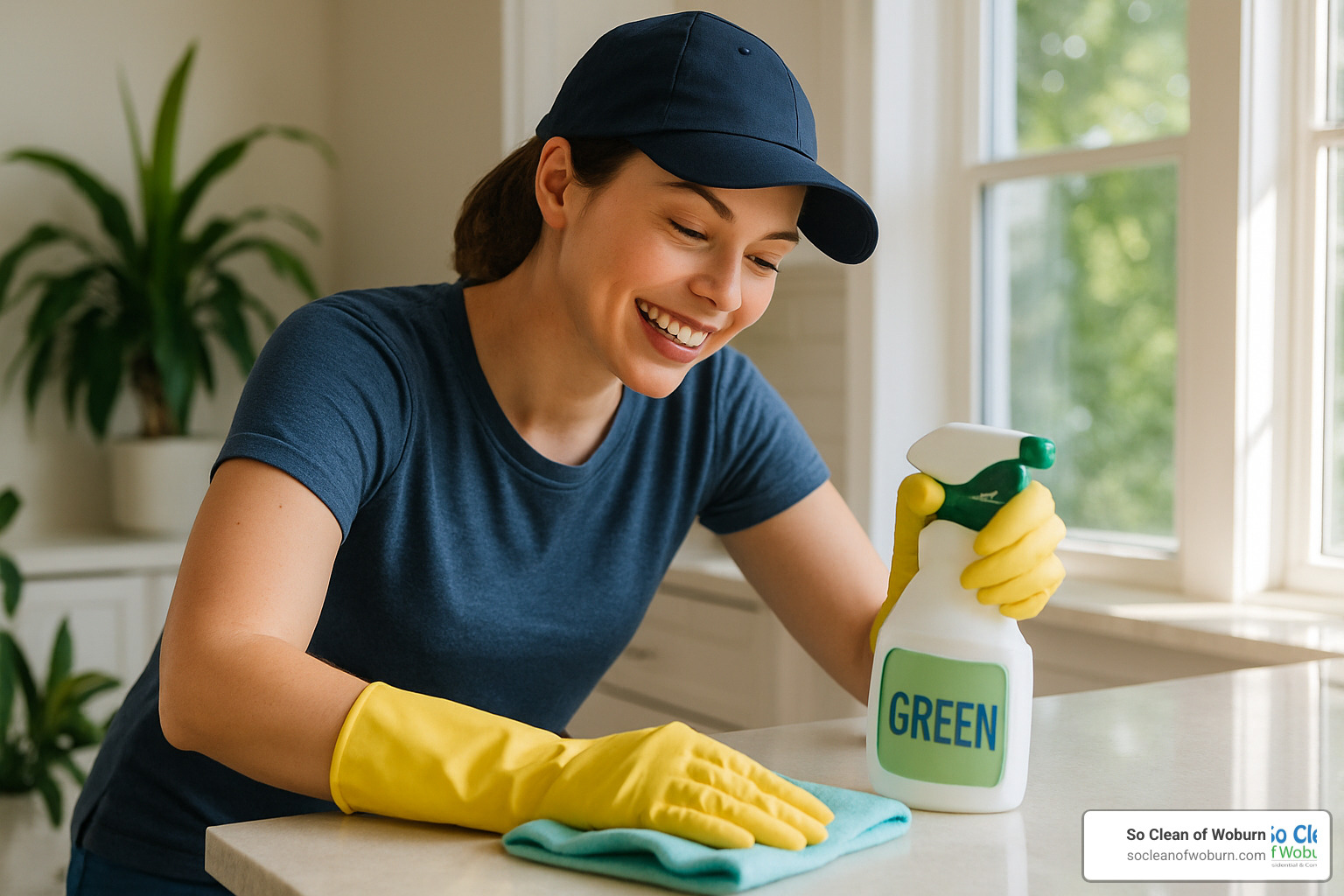
We also employ efficient techniques that maximize results while minimizing product use. Our cleaning pros are trained in methods that get the job done right the first time—no excessive spraying or wasteful product application. This approach is not just better for your home’s air quality but also more economical in the long run.
Perhaps most importantly, we create customized cleaning plans for each home we service. Do you have asthmatic family members who need special consideration? Children who play on the floor? Pets who lick surfaces? We tailor our product choices and cleaning approaches to address your specific health concerns and environmental priorities.
“I used to get headaches after my previous cleaning service left,” shared one client in Reading. “Since switching to So Clean’s healthier approach, my home not only looks clean but feels clean—no more chemical smell, no more irritated eyes.”
When you choose our cleaning service, you’re making a choice that benefits both your home’s cleanliness and your family’s wellbeing. Our teams serving communities throughout North Shore MA, Essex County MA, and Middlesex County MA bring a thoughtful, health-conscious approach to every cleaning visit.
The best part? You get all the benefits of healthier home cleaning products without having to become an expert yourself. We’ve already done the work of finding what actually works—giving you back precious time and peace of mind.
Conclusion
The shift toward healthier home cleaning products represents more than just a passing trend—it’s a meaningful step toward creating safer living spaces and a healthier planet. Throughout this article, we’ve seen how today’s eco-friendly cleaners offer powerful alternatives to conventional chemical products without sacrificing cleaning effectiveness.
When you choose healthier cleaning options, you’re investing in your family’s wellbeing with every spray, wipe, and scrub. The benefits extend far beyond just a clean home—you’re creating an environment where everyone can breathe easier, literally.
Here at So Clean of Woburn, we’ve witnessed how switching to safer products has transformed our clients’ homes throughout Massachusetts. Many tell us they no longer experience headaches or respiratory irritation after cleaning day, and parents especially appreciate the peace of mind that comes from knowing their little ones aren’t exposed to harsh chemicals.
Remember these key points as you make your transition:
Read labels thoughtfully and look for those third-party certifications rather than vague “natural” claims. The EPA Safer Choice and Green Seal logos are your friends here!
Start with your everyday products first—those all-purpose sprays and surface cleaners you reach for most often. Then gradually expand your healthier cleaning collection as you use up conventional products.
Consider concentrated formulas whenever possible. They might cost more upfront, but they’ll save you money over time while dramatically reducing plastic waste. Win-win!
Explore those innovative low-waste options like powder cleansers in cardboard boxes, solid dish soaps, and those incredibly convenient laundry strips. They clean just as effectively while leaving a much lighter footprint on our planet.
Keep a few DIY basics in your cleaning arsenal. Simple ingredients like vinegar, baking soda, and lemon juice can tackle many cleaning challenges between professional services.
At So Clean of Woburn, we’re committed to supporting healthier homes throughout the Greater Boston area. Whether you’re cleaning your own home with safer products or enlisting our house cleaning services for a professionally maintained space, we’re here to help you create the healthy home environment you and your family deserve.
The journey toward a healthier home doesn’t need to feel overwhelming or happen overnight. Small changes, thoughtfully implemented, can make a remarkable difference in your indoor air quality and overall wellbeing. And remember, if you ever need guidance or professional assistance with your healthier home cleaning routine, we’re just a phone call away.
For more information about our approach to healthier cleaning, explore our resources on eco-friendly cleaning products and non-toxic cleaning products, or reach out to discuss how we can support your journey to a cleaner, healthier home.