

Why Granite Deserves the Best Natural Granite Cleaner
Best natural granite cleaner options preserve the beauty of your countertops without harsh chemicals. Here’s what you need to know:
Top Natural Granite Cleaning Solutions:
- DIY Alcohol-Based Cleaner – Mix 1/2 cup isopropyl alcohol, 1 1/2 cups distilled water, 1/2 teaspoon mild dish soap, and optional essential oils
- pH-Neutral Commercial Cleaners – Look for plant-based formulas specifically designed for stone
- Simple Soap and Water – Mild dish soap with warm water works for daily cleaning
- Baking Soda Paste – For stubborn stains (not acidic, safe for granite)
Avoid These Common Mistakes:
- Never use vinegar, lemon juice, or acidic cleaners (they etch granite)
- Skip Windex and ammonia-based products (they damage sealant)
- Don’t use abrasive scrubbers or bleach
Granite is a beautiful, durable surface that can last over 100 years with proper care. But here’s the catch: this natural stone is porous, meaning it absorbs liquids and can stain if not properly sealed and cleaned. Many homeowners unknowingly damage their expensive countertops by using harsh household cleaners like vinegar or Windex, which can etch the surface and degrade the protective sealant over time.
The good news? Natural cleaners work just as well as commercial products—often better—without risking damage to your investment.
I’m Bill McGrath, owner of So Clean of Woburn, and over the years I’ve helped countless families in the Greater Boston area protect their granite surfaces using the best natural granite cleaner methods. In this guide, I’ll share exactly what works and what to avoid so your countertops stay pristine.
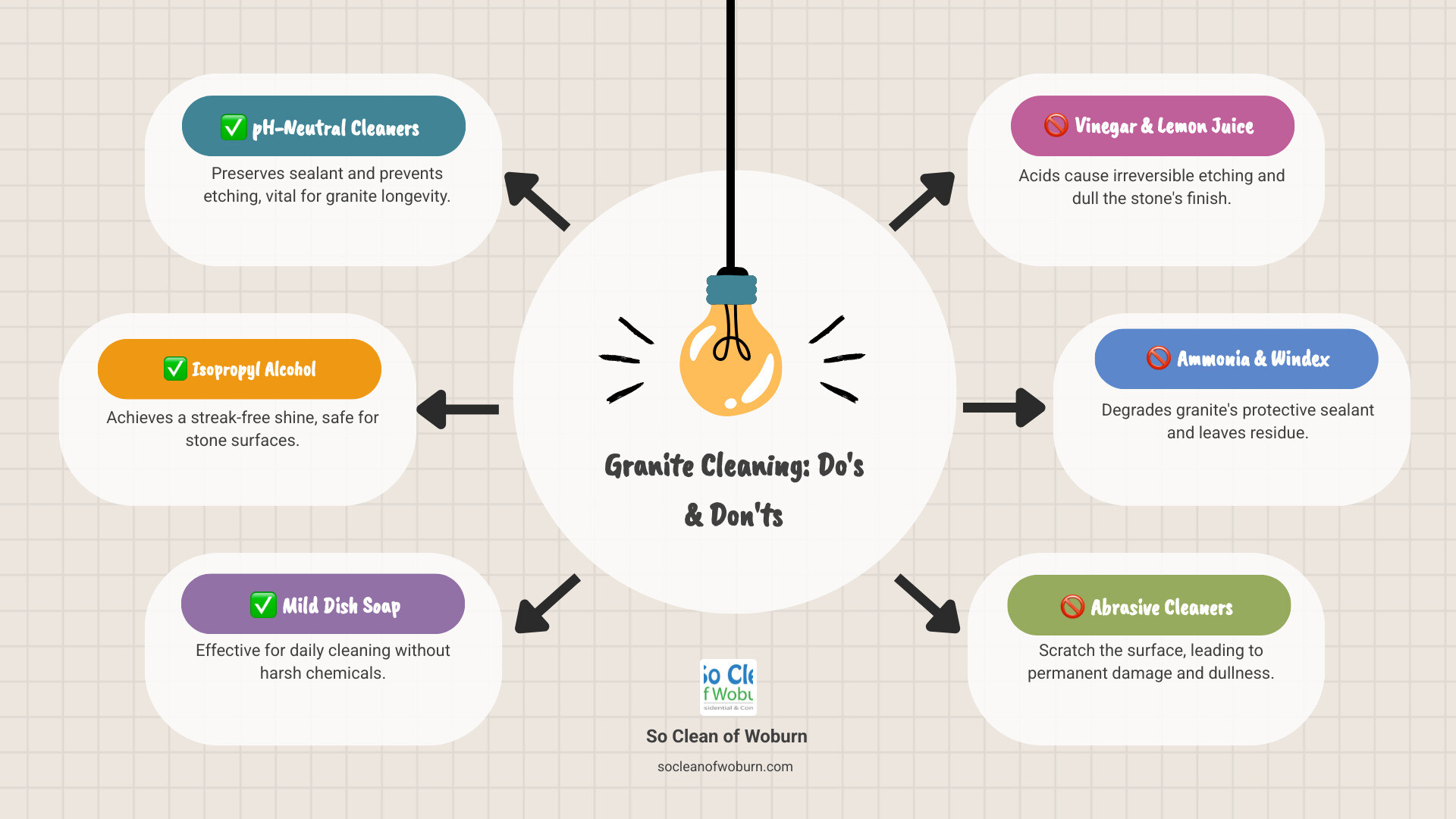
Know your best natural granite cleaner terms:
Why Choose a Natural Cleaner for Your Granite?
When it comes to maintaining the elegance and longevity of your granite countertops, the choice of cleaning products is paramount. Many of us reach for the nearest all-purpose cleaner, assuming it will tackle grime effectively. However, this common practice can actually do more harm than good to your beautiful stone surfaces. Choosing the best natural granite cleaner isn’t just a trend; it’s a smart, protective measure for your home and health.

The Dangers of Conventional Cleaners
Conventional cleaning products often contain harsh chemicals that are simply too aggressive for natural stone. Granite, despite its robust appearance, is a porous material. It relies on a protective sealant to prevent liquids from seeping in and causing stains or etching. Many household staples, while effective on other surfaces, can strip this crucial sealant away, leaving your granite vulnerable.
For instance, acidic cleaners like vinegar and lemon juice, commonly found in DIY solutions for other surfaces, will corrode the sealant and etch the underlying stone. This results in dull spots and a roughened texture that can be difficult, if not impossible, to repair. Similarly, ammonia-based cleaners (like many window cleaners) and bleach can severely damage the sealant and even discolor your granite. Products like Windex, frequently used for a streak-free shine on glass, can dull granite’s luster and lead to pitting over time by compromising its protective layer. Abrasive powders and scrubbers also pose a significant risk, as they can scratch the surface, ruining its smooth finish.
Beyond the damage to your countertops, these harsh chemicals can introduce unwanted toxins into your home environment. Residues can linger on food-prep surfaces, potentially posing health risks, especially for families with young children or pets. The strong fumes can also affect indoor air quality, contributing to respiratory issues or sensitivities.
Benefits of a Natural Approach
Opting for the best natural granite cleaner provides a multitude of advantages that extend beyond just a clean surface.
Firstly, natural cleaners are inherently safe for food-prep surfaces. This is a huge peace of mind, especially in busy kitchens where food is constantly being prepared. You won’t have to worry about chemical residues contaminating your meals.
Secondly, natural solutions are gentle on stone, protecting the integrity of your granite’s sealant. This preserves the shine and longevity of your countertops, ensuring they remain a stunning feature in your home for decades. A pH-neutral formula is key here, as it cleans without stripping the sealant or causing etching.
Many natural cleaning ingredients are also incredibly cost-effective. You can often whip up a powerful and safe granite cleaner using items you already have in your pantry, saving you money compared to constantly buying specialized commercial products.
Finally, embracing natural cleaning methods contributes to environmental safety. Many natural ingredients are biodegradable, and by making your own, you reduce plastic waste from single-use containers. For those seeking verified healthy cleaning options, resources like the EWG’s Guide to Healthy Cleaning can guide you toward products that meet stringent health and environmental standards. This holistic approach ensures a clean home that’s healthy for both your family and the planet.
The Building Blocks of a Safe Granite Cleaner: What to Use and Avoid
Understanding what goes into the best natural granite cleaner is crucial for effective and damage-free cleaning. It’s a delicate balance of ingredients that clean thoroughly without compromising the stone’s integrity or its protective sealant.
| Safe Ingredients | Harmful Ingredients |
|---|---|
| pH-neutral formulas (commercial or DIY) | Vinegar |
| Isopropyl Alcohol (rubbing alcohol) | Lemon Juice (or other acidic fruit juices) |
| Mild Liquid Castile Soap or gentle dish soap | Ammonia-based cleaners |
| Distilled Water | Bleach |
| Non-acidic Essential Oils (e.g., lavender, tea tree) | Abrasive powders or scrubbers (e.g., Comet, steel wool) |
| Microfiber cloths | Windex and similar glass cleaners |
| Harsh degreasers |
Key Ingredients to Look For in the Best Natural Granite Cleaner
When we formulate or select a granite cleaner, we prioritize specific properties to ensure safety and effectiveness:
- pH-Neutral Formula: This is perhaps the most critical factor. Granite sealants are sensitive to pH extremes. A neutral pH cleaner ensures that the sealant remains intact, protecting your stone from stains and etching. Many commercial “natural” granite cleaners proudly highlight their pH-balanced formulas for this very reason.
- Isopropyl Alcohol (Rubbing Alcohol): This ingredient is a powerhouse in natural granite cleaning. Alcohol is a great disinfectant, dries quickly, and is excellent at cutting through grease, making it perfect for kitchen countertops. It helps achieve a streak-free shine without leaving residue.
- Plant-Based Soaps or Mild Dish Soap: Ingredients like liquid castile soap or a very mild, pH-neutral dish soap (ensure it doesn’t contain harsh degreasers or strong chemicals) are excellent for breaking down oils and grime. They provide cleaning power without being harsh on the stone. Some experts suggest using dish soap sparingly or rinsing thoroughly to avoid potential streaking, but in diluted, pH-balanced formulas, it’s effective.
- Distilled Water: While filtered tap water can work for short-term use, distilled water is preferred for homemade cleaners. It prevents hard water spots and mineral buildup, which can leave a hazy film on your granite over time. It also helps preserve the cleaner for longer periods.
- Non-Acidic Essential Oils: If you prefer a scented cleaner, essential oils are a fantastic natural addition. Unlike acidic fruit juices (which should be avoided), essential oils like lavender, eucalyptus, orange, or tea tree oil are pH-neutral and completely safe for granite. They add a pleasant aroma, masking the strong smell of alcohol.
Common Household Ingredients That Damage Granite
Understanding what to avoid is just as important as knowing what to use. Many common household cleaners can be detrimental to granite:
- Vinegar and Lemon Juice: We cannot stress this enough: avoid these at all costs! Both are highly acidic and will etch the granite surface and corrode its sealant, leading to dullness, discoloration, and increased porosity.
- Ammonia-Based Cleaners: Products containing ammonia are too harsh for granite. They will break down the sealant, leaving your countertops unprotected and prone to staining.
- Bleach: While a powerful disinfectant, bleach is too strong for granite. It can discolor the stone and degrade the sealant, causing long-term damage.
- Abrasive Powders and Scrubbers: Steel wool, scouring pads, and powdered cleansers are a definite no-go. They will scratch and dull the polished surface of your granite, creating micro-fissures where dirt and bacteria can accumulate.
- Windex and Glass Cleaners: Many glass cleaners contain ammonia or other chemicals that are harmful to granite. They can strip the sealant and leave streaks or a hazy film.
- Harsh Degreasers: Some heavy-duty degreasers can be too aggressive for granite, potentially damaging the sealant and affecting the stone’s appearance.
By being mindful of these damaging ingredients, we can ensure our granite countertops remain beautiful and protected for years to come.
How to Make and Use the Best Natural Granite Cleaner at Home
Creating your own best natural granite cleaner at home is not only cost-effective but also gives you complete control over the ingredients, ensuring they are safe for your stone and your family. Plus, it’s surprisingly easy!
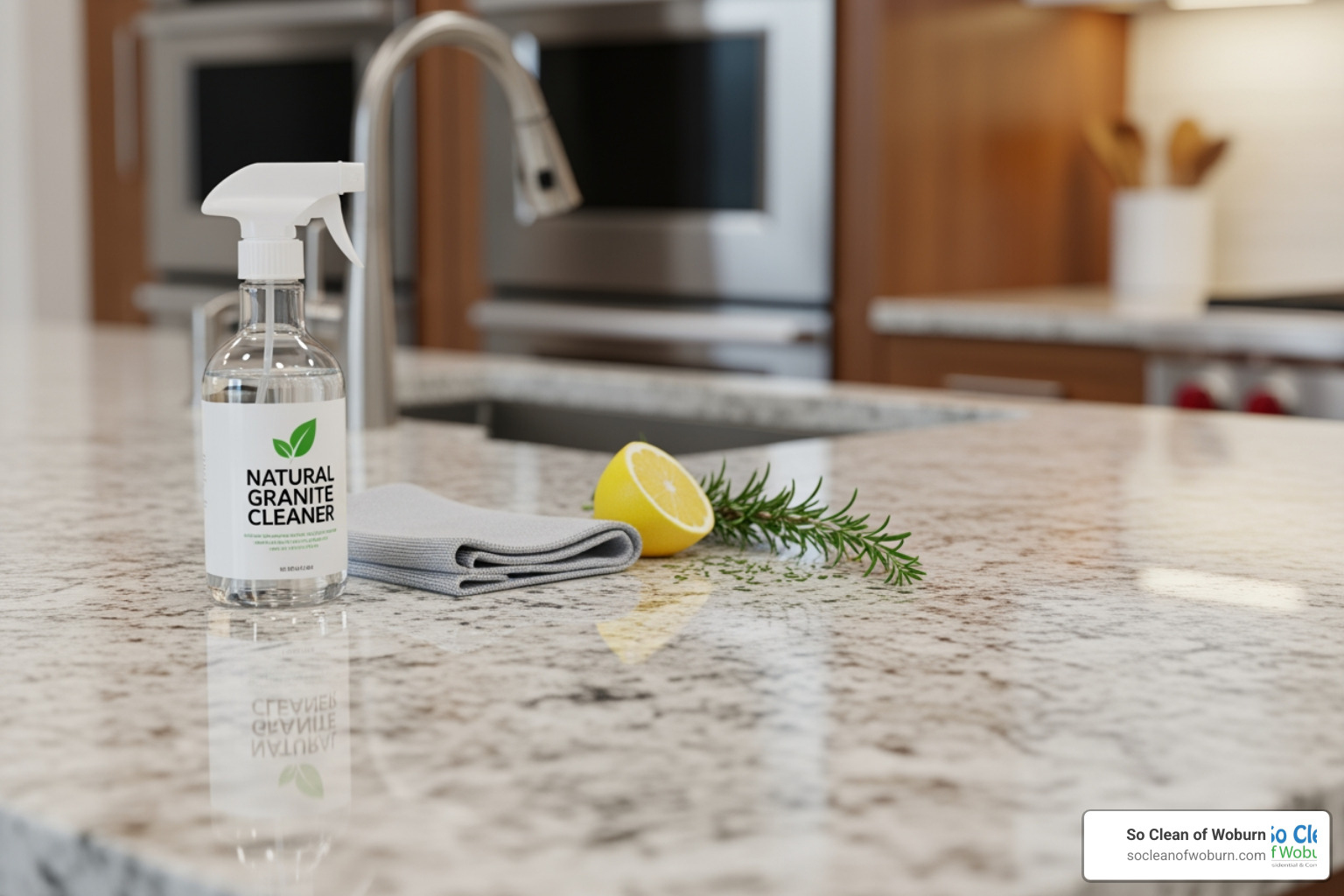
Our Top Recipe for the Best Natural Granite Cleaner
This recipe combines the disinfecting power of alcohol with the gentle cleaning action of mild soap, all while being pH-neutral and safe for your granite:
Ingredients:
- 1/4 cup isopropyl alcohol (also known as rubbing alcohol or surgical spirits)
- 1 1/2 cups distilled water (distilled is best for longevity and preventing water spots, but filtered tap water is fine for short-term storage)
- 3-5 drops liquid castile soap or a very mild, pH-neutral dish soap
- 5-10 drops essential oil (optional, but highly recommended to mask the alcohol smell and add a fresh scent). Popular choices include lavender, eucalyptus, orange, or tea tree oil.
Tools You’ll Need:
- A clean, empty 16-24 ounce spray bottle
- At least two clean, soft microfiber cloths
Step-by-Step Mixing Instructions:
- Combine Concentrates: Pour the isopropyl alcohol, liquid castile soap (or mild dish soap), and your chosen essential oils into the spray bottle.
- Swirl Gently: Give the bottle a gentle swirl to mix these ingredients together.
- Add Water: Carefully add the distilled water to the bottle.
- Shake Well: Secure the spray top and shake the bottle thoroughly to ensure all ingredients are well combined. Label your bottle clearly so you know exactly what’s inside.
The Proper Method for a Streak-Free Shine
Once your homemade cleaner is ready, applying it correctly is key to achieving that pristine, streak-free shine on your granite countertops.
Step 1: Clear the Surface
Before you begin cleaning, remove all items from your granite countertop. This allows us to access every inch of the surface and prevents any cleaner from accidentally coming into contact with food or appliances.
Step 2: Spray the Cleaner
Generously spray your homemade natural granite cleaner directly onto the countertop surface. For stubborn grime or sticky spots, let the cleaner sit for 30 seconds to a minute to allow it to penetrate and loosen the mess.
Step 3: Wipe with a Clean Microfiber Cloth
Using a clean, soft microfiber cloth, wipe down the entire sprayed area. Microfiber cloths are “darn useful” because they are highly absorbent and excellent at picking up dirt and grime without scratching the surface. Work in sections if your countertop is large, ensuring thorough coverage. For tough spots, a vigorous circular motion can be effective.
Step 4: Buff Dry for Extra Shine
This step is crucial for preventing streaks and enhancing the natural luster of your granite. Immediately after wiping, use a separate, clean, and dry microfiber cloth to buff the surface until it’s completely dry and gleaming. If you notice any residual wetness or streaking, simply buff a bit more with the dry cloth. If streaking persists consistently, you might try increasing the alcohol content slightly in your next batch of cleaner, as alcohol helps with quick drying.
For more detailed guidance on maintaining a spotless home, explore our natural home cleaning guide.
Long-Term Granite Care: Sealing and Maintenance
Granite is incredibly durable, but its longevity and beauty are heavily dependent on proper care, especially sealing. Think of sealing as adding an invisible shield to your countertops, protecting them from the daily onslaught of spills and grime.
How to Know When Your Granite Needs Resealing
Determining when your granite needs resealing is simpler than you might think. We recommend a quick “water test” as your go-to method:
- The Water Test Explained: Pour a small amount of water (about a quarter-sized puddle) onto different areas of your granite countertop, especially in high-use zones like around the sink or stove.
- Observe: Watch the water for a few minutes. If the water beads up on the surface, your sealant is doing its job. If, however, the water begins to soak into the stone and creates a dark spot, it’s a clear sign that your granite needs to be resealed. The longer it takes for the water to soak in, the better your seal still is.
- Dark Spots After Spills: If you’ve noticed that spills, even water, are leaving temporary dark spots that take a while to disappear, your granite is likely absorbing liquids more than it should, indicating a compromised seal.
- Dull Appearance: While cleaning can restore shine, a consistently dull appearance that doesn’t improve with regular cleaning might suggest the sealant has worn down, making the stone more susceptible to environmental factors.
General Frequency Guidelines:
While the water test is the most accurate, general recommendations for resealing granite vary from every 6 months to every 4 years, with many manufacturers suggesting at least once every one to two years. High-traffic kitchens with frequent spills or aggressive cleaning might require more frequent resealing. The good news is, over-sealing your granite won’t harm the stone, so if in doubt, it’s always better to reseal.
Daily and Weekly Cleaning Routines
Consistent cleaning habits are essential for preserving your granite’s beauty and extending the life of its sealant.
- Wipe Spills Immediately: Granite is porous. Even with a good sealant, highly acidic or oily spills (wine, coffee, olive oil) can penetrate if left for too long, leading to stains. Always wipe up spills as soon as they happen with a soft cloth.
- Daily Wipe-Down with Soap and Water: For everyday cleaning, a simple solution of warm water and a few drops of mild dish soap is usually sufficient. Wipe down your countertops at the end of each day to remove crumbs, light grease, and general surface dirt.
- Weekly Disinfecting with Natural Cleaner: Once a week, use your homemade best natural granite cleaner (or a commercial pH-neutral natural granite cleaner) to thoroughly clean and disinfect your countertops. This helps banish bacteria and grime, keeping your surfaces hygienic and sparkling.
By combining diligent daily cleaning with periodic resealing and a weekly deep clean, your granite countertops will remain a source of pride in your Massachusetts home.
Frequently Asked Questions about Natural Granite Cleaning
We often get questions about the best ways to care for granite, especially when opting for natural cleaning methods. Here are some of the most common inquiries we address:
How do natural cleaners help maintain the shine of granite?
Natural cleaners, particularly those we recommend, play a crucial role in maintaining your granite’s shine and longevity by:
- Preserving Sealant: Unlike harsh, acidic, or alkaline cleaners, natural pH-neutral formulas do not degrade the protective sealant on your granite. This sealant is what keeps liquids and stains out, preventing etching and maintaining the stone’s original luster. When the sealant is intact, the surface reflects light evenly, creating that desirable shine.
- Preventing Dulling Film: Many conventional cleaners leave behind a thin, hazy film that can dull your granite over time. Natural cleaners, especially those with isopropyl alcohol, evaporate quickly and cleanly, ensuring no residue is left behind to obscure the stone’s natural beauty.
- Alcohol for a Streak-Free Finish: The isopropyl alcohol in our recommended DIY cleaner is a fantastic degreaser and dries rapidly, which is key to achieving a streak-free, gleaming finish without much effort.
- Buffing Improves Natural Luster: The act of buffing with a dry microfiber cloth after cleaning not only removes any residual moisture but also gently polishes the surface, enhancing the granite’s inherent shine and smooth feel.
By using these methods, we ensure your granite in Woburn, Lexington, or any of our service areas retains its pristine appearance without compromise.
Can I use this natural cleaner on other stone surfaces like marble or quartz?
Yes, our recommended natural cleaner, especially due to its pH-neutral nature, is generally safe for many other stone surfaces, including marble and quartz.
- Quartz Compatibility: Quartz countertops, being engineered stone, are less porous than natural granite. Our pH-neutral formula works wonderfully on quartz, effectively cleaning and disinfecting without damaging the resin binders or causing dullness. Products like Rock Doctor’s Natural Granite & Quartz Cleaner also highlight their compatibility with quartz, Corian, and Silestone.
- Marble Sensitivity: Marble is a softer and more porous stone than granite, making it even more susceptible to etching from acids. The pH-neutral composition of our natural cleaner is crucial here. It allows for effective cleaning of marble bathroom vanities or other marble surfaces without the risk of acid damage.
- Other Stone Surfaces: This cleaner is also suitable for Travertine, Limestone, ceramic, and porcelain surfaces.
Always Spot-Test First: Regardless of the stone type, we always recommend performing a small spot-test in an inconspicuous area before applying any new cleaner to the entire surface. This ensures compatibility and peace of mind. The universal importance of pH-neutrality for all natural and engineered stone surfaces cannot be overstated, as it protects their delicate composition and any applied sealants.
How often should I disinfect my granite countertops?
We recommend a regular schedule for disinfecting your granite countertops to maintain a hygienic kitchen:
- Weekly for General Maintenance: For typical household use, disinfecting your granite countertops once a week with your natural alcohol-based cleaner is usually sufficient to kill common bacteria and keep surfaces fresh.
- After Preparing Raw Meat: This is a non-negotiable. Anytime you’ve prepared raw meat, poultry, or fish on your countertops, immediate and thorough disinfection is critical to prevent the spread of foodborne pathogens.
- During Cold and Flu Season: To minimize the spread of germs throughout your home, consider increasing your disinfection frequency during cold and flu season, perhaps every other day or daily in high-touch areas.
The alcohol in our DIY best natural granite cleaner is an excellent disinfectant, making it a safe and effective choice for these tasks without resorting to harsh chemicals.
Conclusion: Keep Your Granite Gleaming Naturally
Maintaining the radiant beauty of your granite countertops doesn’t require harsh chemicals or expensive commercial products. By understanding the unique needs of natural stone and embracing the best natural granite cleaner methods, you can ensure your countertops remain pristine, hygienic, and damage-free for years to come. We’ve seen how a simple, natural approach can preserve the elegance of homes across the Greater Boston area, from Andover to Woburn.
The key lies in pH-neutral ingredients, the power of isopropyl alcohol and mild soap, and the diligent use of microfiber cloths. Avoid acidic substances like vinegar and lemon juice, and steer clear of ammonia and bleach, which can strip away your granite’s protective sealant. Regular cleaning and timely resealing are your best allies in this endeavor.
You now have the knowledge and the recipe to confidently clean your granite countertops naturally, ensuring a healthier home environment and a sparkling kitchen. For those times when you need an extra hand, or for comprehensive home cleaning solutions, So Clean of Woburn provides expert services. Learn more about our green residential cleaning services in the Greater Boston area and let us help you maintain a truly pristine home.