

Why Natural Home Cleaning Matters for Your Family’s Health
Natural home cleaning is the practice of using plant-based, non-toxic ingredients like vinegar, baking soda, and essential oils instead of chemical-laden commercial products to clean your home safely and effectively.
Quick Answer: Top Natural Cleaning Essentials
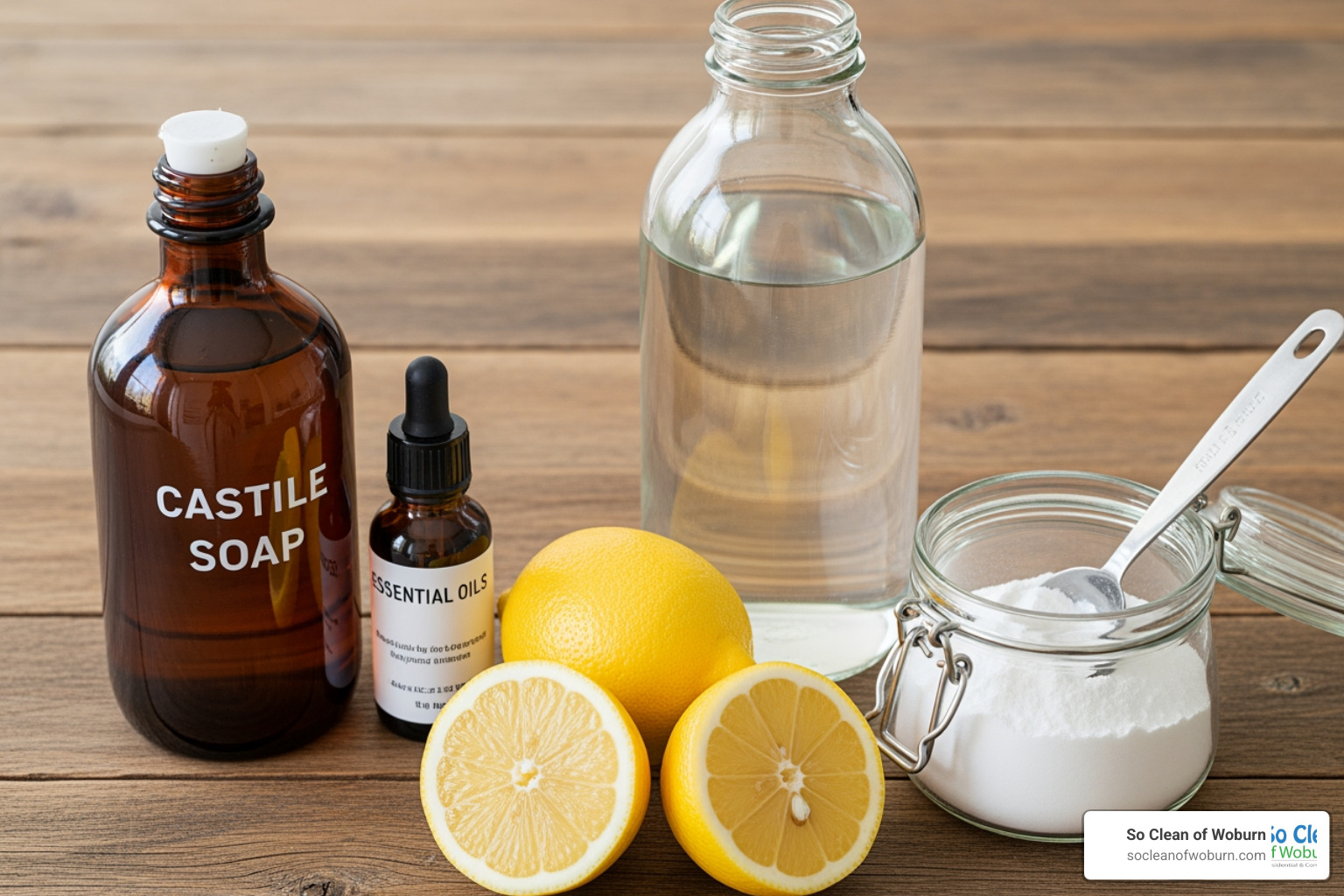
- White Vinegar: Cuts grease, removes mineral deposits, kills bacteria
- Baking Soda: Gentle abrasive for scrubbing, absorbs odors
- Lemon Juice: Natural bleaching agent, fresh scent, dissolves grime
- Castile Soap: Plant-based all-purpose cleaner for multiple surfaces
- Essential Oils: Add antibacterial properties and pleasant fragrance
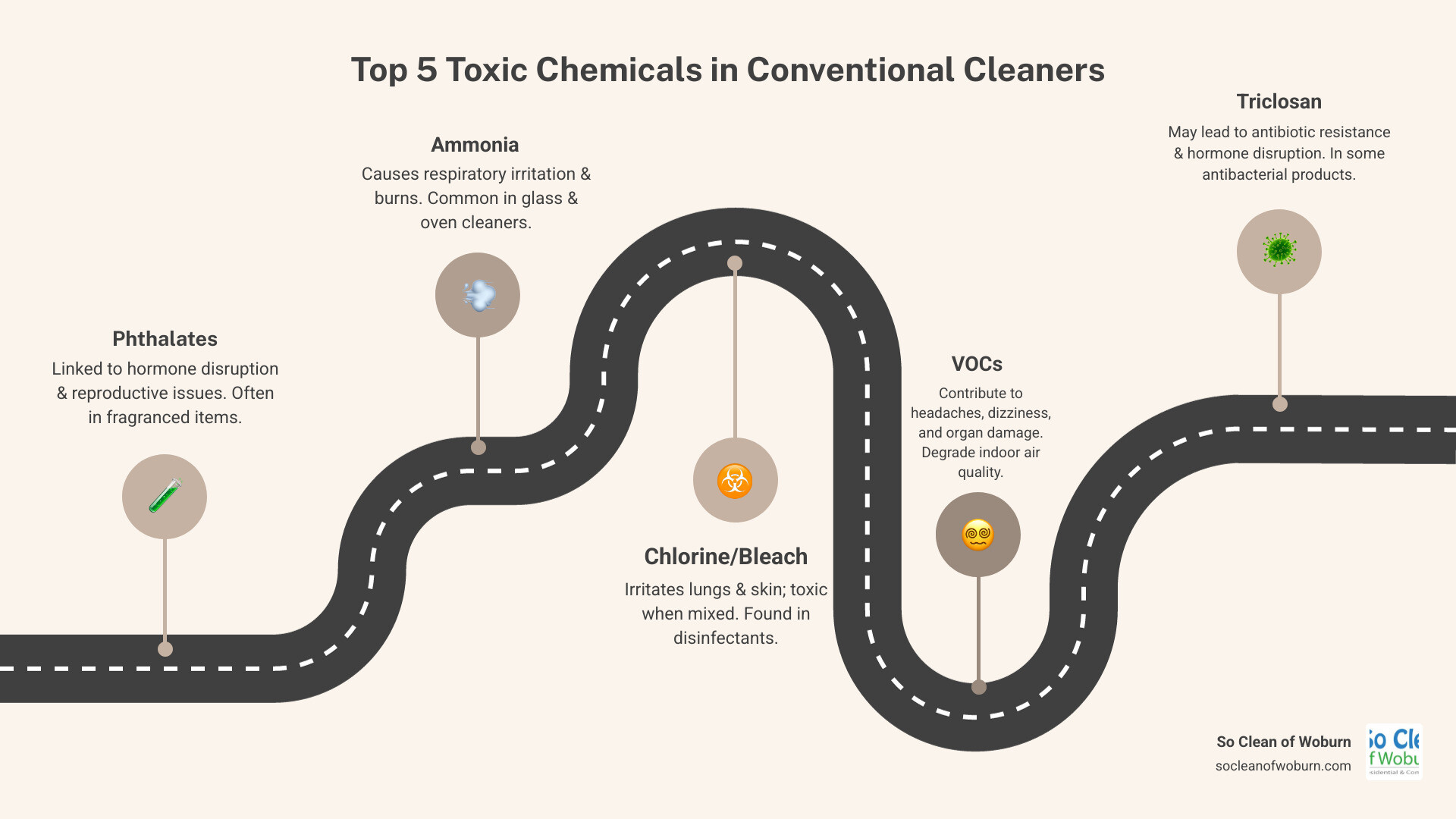
If you’ve ever felt lightheaded after cleaning your bathroom or worried about your kids touching freshly wiped countertops, you’re not alone. The EPA reports that indoor air quality can be 2-3 times worse than outdoor air quality, largely due to the volatile organic compounds (VOCs) released by conventional cleaning products. Many store-bought cleaners contain harsh chemicals that can irritate your respiratory system, trigger allergies, and even contribute to long-term health issues like asthma and reproductive problems.
The good news? You probably already have everything you need to clean your entire home sitting in your kitchen pantry right now.
Switching to natural cleaning doesn’t mean sacrificing effectiveness. Simple ingredients like white vinegar, baking soda, and lemon work just as well as—and sometimes better than—their chemical-heavy counterparts. They’re safer for your family and pets, gentler on surfaces, better for the environment, and significantly cheaper. You’ll reduce plastic waste, eliminate toxic fumes, and still achieve that sparkling clean you’re after.
I’m Bill McGrath, owner of So Clean of Woburn, and I’ve spent years helping families in the Greater Boston area transition to safer, more effective natural home cleaning methods. Whether you choose to DIY or work with professionals, making the switch is one of the smartest decisions you can make for your home’s health.
Why Make the Switch to Natural Home Cleaning?
Let’s be honest: those shiny bottles of commercial cleaners promising to kill 99.9% of germs look pretty appealing on the store shelf. But what they don’t tell you in those glossy advertisements is what’s actually inside those bottles—or what it’s doing to your home, your health, and the environment.
When you switch to natural home cleaning, you’re not just following a trend. You’re making a real commitment to protecting what matters most: your family’s health, your hard-earned money, and the planet we all share. The truth is, those “powerful” chemical cleaners come with hidden costs that go far beyond the price tag. Many contain toxic ingredients like chlorine bleach and harsh solvents that can seriously impact your well-being.
The beautiful thing about going natural? You get multiple benefits all at once. Your indoor air quality improves dramatically. You stop dumping harmful chemicals into our waterways. And surprisingly, you actually save money. It really is a win-win-win situation. If you’re ready to take this further, our guide to a healthy home cleaning routine offers even more practical tips for changing your home.
A Healthier Home Environment
Your home should be your safe haven—the place where you can truly relax and breathe easy. But conventional cleaning products often work against that ideal, turning your sanctuary into a source of indoor air pollution.
Think about the last time you cleaned your bathroom with a commercial cleaner. Did you feel a little lightheaded? Did your eyes water or your throat feel scratchy? That’s not normal, and it’s not something you should have to tolerate. The American Lung Association has raised serious concerns about how cleaning supplies and household chemicals contribute to poor indoor air quality, leading to respiratory irritation, persistent allergies, and even long-term conditions like asthma.
The problems go deeper than what you breathe. Many conventional products leave residues on surfaces that continue affecting you long after you’ve finished cleaning. Those dryer sheets that make your clothes smell “fresh”? They’re designed to coat your fabrics with chemicals that slowly release into the air and absorb through your skin. If you have sensitive skin or allergies, this constant exposure can be miserable. Even regular laundry detergent residues stay on your clothes and sheets, potentially entering your bloodstream through prolonged skin contact.
When you choose natural home cleaning methods instead, you eliminate these risks entirely. You create a genuinely healthier environment for everyone in your household—including your pets, who are often more vulnerable to chemical exposure than we are. Our guide on non-toxic cleaning products can help you identify the safest options for your home.
Protecting Your Wallet and the Planet
Here’s something that might surprise you: when you buy a $5 bottle of commercial cleaner, you’re mostly paying for plastic packaging and water. The actual cleaning ingredients? They make up just a tiny fraction of what you’re spending.
Natural home cleaning flips this equation on its head. The basic ingredients—baking soda, white vinegar, castile soap, and essential oils—are incredibly inexpensive and multi-purpose. A single box of baking soda costs about a dollar and can handle dozens of cleaning tasks throughout your home. One bottle of white vinegar? The same story. You’re getting powerful cleaning ability without the markup.
But the savings don’t stop at your wallet. Making your own cleaning solutions means you can invest in just a few reusable glass spray bottles instead of constantly buying and tossing plastic containers. This dramatically reduces your plastic waste and shrinks your carbon footprint. It’s a small change that adds up to a big environmental impact.
And here’s something that doesn’t get talked about enough: many chemicals in commercial cleaners aren’t biodegradable. They don’t just disappear when they go down your drain. They persist in our waterways, harm aquatic wildlife, and accumulate in ecosystems. Natural ingredients, being plant-based, break down harmlessly in the environment. When you choose natural cleaning, you’re protecting the rivers, lakes, and oceans that we all depend on. Our complete guide to eco-friendly cleaning explores these environmental benefits in much more detail.
Your Natural Cleaning Toolkit: 5 Essential Ingredients
Ready to start your natural home cleaning journey? Here’s the exciting part: you probably already have most of what you need sitting in your kitchen right now! We’re not talking about expensive specialty products or complicated ingredients. These are simple, everyday pantry staples that deliver surprisingly powerful cleaning results without any harsh chemicals.
What makes these ingredients so special is their versatility. Instead of cluttering your cleaning cabinet with a dozen different bottles (each designed for one specific task), you can tackle your entire home with just five basic items. It’s simpler, cheaper, and so much better for your family’s health.
The Acidic Duo: White Vinegar & Lemon
Let’s start with our acidic power couple: white vinegar and lemon. These two work wonders on their own, but they’re even better when you understand what makes them tick.
White vinegar is the unsung hero of natural cleaning. That acetic acid content makes it a fantastic degreaser—it cuts through sticky residues and kitchen grime like nobody’s business. Those cloudy white spots on your faucets and showerheads? That’s mineral buildup, and vinegar dissolves it beautifully. It’s also a natural deodorizer, actually neutralizing bad smells instead of just covering them up with artificial fragrances. And here’s a bonus: vinegar kills many common household bacteria, including Salmonella and E. coli.
Lemon brings citric acid to the party, which acts as a natural bleaching agent. It brightens surfaces, tackles tough stains, and leaves everything smelling fresh and clean. That bright, sunny scent isn’t just pleasant—it’s the smell of a truly clean home. Try cutting a lemon in half, dipping it in salt, and using it as a scrubber. It works amazingly well on cutting boards, countertops, and even copper pots.
The Alkaline Powerhouse: Baking Soda
On the opposite end of the pH spectrum, we have baking soda, or sodium bicarbonate. This humble white powder is incredibly versatile. As a gentle abrasive, it provides just enough scrubbing power to lift away grime without scratching your surfaces. Think of it as nature’s scouring powder—perfect for sinks, tubs, and stovetops that need a little extra elbow grease.
But baking soda’s real superpower is its ability to absorb odors. It doesn’t just mask smells; it actually neutralizes them at the molecular level. That’s why an open box in your refrigerator keeps things smelling fresh, and why sprinkling it on carpets before vacuuming eliminates pet odors. It’s simple chemistry working in your favor.
The All-in-One Soap: Castile Soap
Castile soap is your versatile, plant-based cleaning workhorse. Made from vegetable oils rather than animal fats, this gentle yet effective soap is completely biodegradable and safe for just about everything. It works by latching onto dirt and grease at the molecular level, lifting them away so they can be easily rinsed off.
The beauty of castile soap is its adaptability. You can use it on dishes, floors, countertops, and even as a base for laundry detergent. A little goes a long way, too—it’s highly concentrated, so you’ll use less than you might expect. This makes it incredibly economical despite the slightly higher upfront cost.
The Aromatic Boost: Essential Oils
Finally, let’s talk about essential oils. These concentrated plant extracts do double duty: they add natural fragrance while boosting your cleaning power with antibacterial and antifungal properties.
Tea tree oil is a heavy hitter when it comes to fighting bacteria and mold, making it perfect for bathroom cleaners. Lavender oil offers a calming scent along with antibacterial benefits. Lemon oil improves degreasing power and leaves a crisp, clean smell. Peppermint oil naturally deters pests while adding a fresh, invigorating aroma. And eucalyptus oil brings strong antibacterial and antiviral properties to the table.
A few drops go a long way, so a small bottle lasts for months. Just remember: while these oils are wonderful for humans, some can be harmful to pets. Always check which essential oils are toxic to pets before using them in your home, and make sure you’re diluting them properly.
With these five simple ingredients in your arsenal, you’re ready to tackle any cleaning challenge your home throws at you. No complicated chemistry degree required—just effective, safe, natural home cleaning that actually works.
DIY Recipes for a Sparkling Home
Now that we’ve assembled our natural home cleaning toolkit, it’s time for the fun part—putting these simple ingredients to work! Creating your own cleaning solutions is surprisingly easy, and there’s something deeply satisfying about knowing exactly what’s in every bottle under your sink. We’ve put together some of our favorite room-by-room recipes that deliver professional-level results without the harsh chemicals. And if you’re looking for even more plant-based options, be sure to explore our range of plant-based surface cleaners.
Kitchen All-Purpose Cleaner
Your kitchen works hard every day, and it deserves a cleaner that can keep up. This versatile spray tackles everything from breakfast spills to dinner grease on your countertops, stovetops, and sinks. The combination of white vinegar and lemon essential oil creates a powerhouse degreaser that leaves your kitchen smelling fresh and clean.
To make it, combine 1 cup distilled water with 1 cup white vinegar in a clean spray bottle. Add 1 teaspoon liquid castile soap if you want extra cleaning power for tougher messes. Then add 10-15 drops of lemon or orange essential oil for a bright, fresh scent and an extra degreasing boost. Give it a gentle shake before each use, spray directly onto your surfaces, and wipe clean with a microfiber cloth. For stubborn spots, let the spray sit for a minute before wiping—it gives the vinegar time to work its magic.
Bathroom Grime-Busting Scrub
If there’s one room that really tests our cleaning mettle, it’s the bathroom. Soap scum, mildew, and hard water stains seem to appear overnight. This powerful scrub tackles all of it without the harsh fumes of conventional cleaners, making it perfect for tubs, tiles, and grout. For a complete approach to maintaining a spotless bathroom, you’ll love our tips for a plant-based bathroom cleaner routine.
Mix 1.5 cups baking soda with 0.5 cup liquid castile soap in a bowl until you have a thick, spreadable paste. Add 10 drops of tea tree essential oil for its natural antifungal properties, plus 5 drops of lemon or eucalyptus essential oil for extra cleaning power and a fresh scent. Apply the paste directly to dirty surfaces, and for really stubborn grime, let it sit for 5-10 minutes before scrubbing with a brush or sponge. The baking soda provides gentle abrasion while the castile soap lifts away dirt and soap residue. Rinse thoroughly with water, and prepare to be impressed by the shine.
Streak-Free Glass & Mirror Cleaner
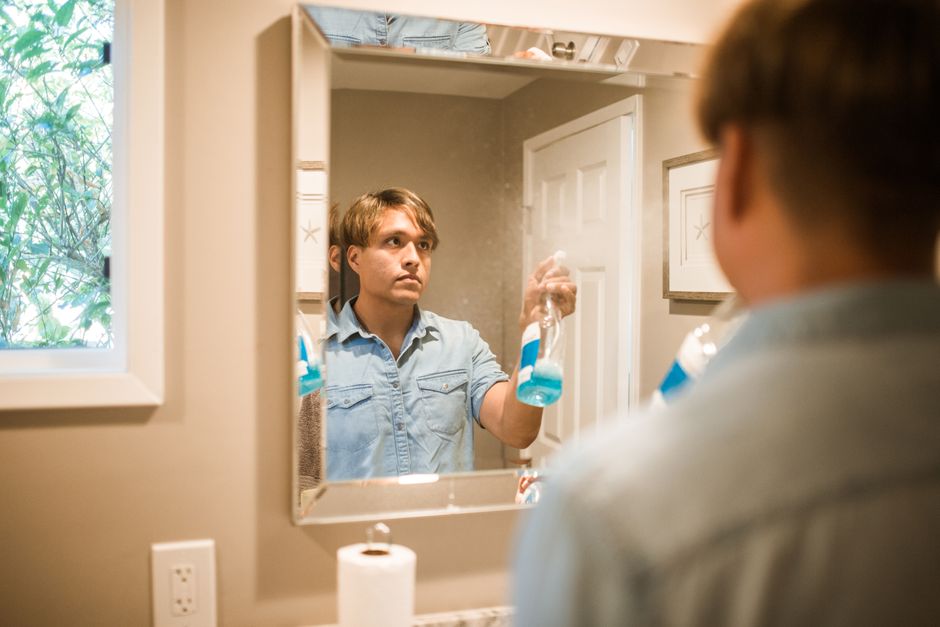
There’s nothing more frustrating than cleaning your windows and mirrors only to see streaks appear as they dry. This recipe solves that problem beautifully, giving you sparkling, crystal-clear results every time.
In a spray bottle, combine 1/4 cup white vinegar with 1/4 cup rubbing alcohol (isopropyl alcohol). Add 1 tablespoon cornstarch—this is the secret ingredient that prevents streaking. Then add 2 cups distilled water and 8-10 drops of your favorite essential oil like peppermint or lemon if you want a pleasant scent. Shake the bottle well before each use to make sure the cornstarch dissolves completely. Spray onto glass or mirror surfaces and wipe with a clean microfiber cloth. The rubbing alcohol helps the solution evaporate quickly, while the vinegar cuts through grime and the cornstarch prevents those annoying streaks.
All-Natural Floor Cleaner
Your floors take a beating every day, tracking in dirt, spills, and everything in between. This gentle yet effective floor cleaner keeps tile, vinyl, and linoleum floors gleaming without leaving any harsh chemical residue behind. For specialized care custom to different floor types, check out our ultimate plant-based floor cleaner guide.
Fill a bucket with 1 gallon of hot water, then add 1/4 cup white vinegar and 1 tablespoon liquid castile soap. Stir in 10-15 drops of lemon or orange essential oil for a fresh, clean scent that makes mopping feel less like a chore. The vinegar disinfects and cuts through dirt, the castile soap lifts grime, and the essential oils leave your home smelling naturally fresh. Just remember to wring out excess water from your mop—too much liquid can damage certain floor types and leave streaks.
These recipes prove that natural home cleaning doesn’t require complicated formulas or expensive ingredients. With just a few simple pantry staples, you can create effective solutions for every room in your house. The best part? You’ll know exactly what’s in every bottle, and your family will breathe easier for it.
Natural Cleaning Safety: Best Practices & FAQs
While natural home cleaning is generally much safer than using conventional chemical products, it’s still important to follow some smart guidelines. Even gentle ingredients can be surprisingly powerful when used incorrectly, and a little knowledge goes a long way in keeping your home both clean and safe.
Safe Mixing and Storage for your homemade natural home cleaning solutions
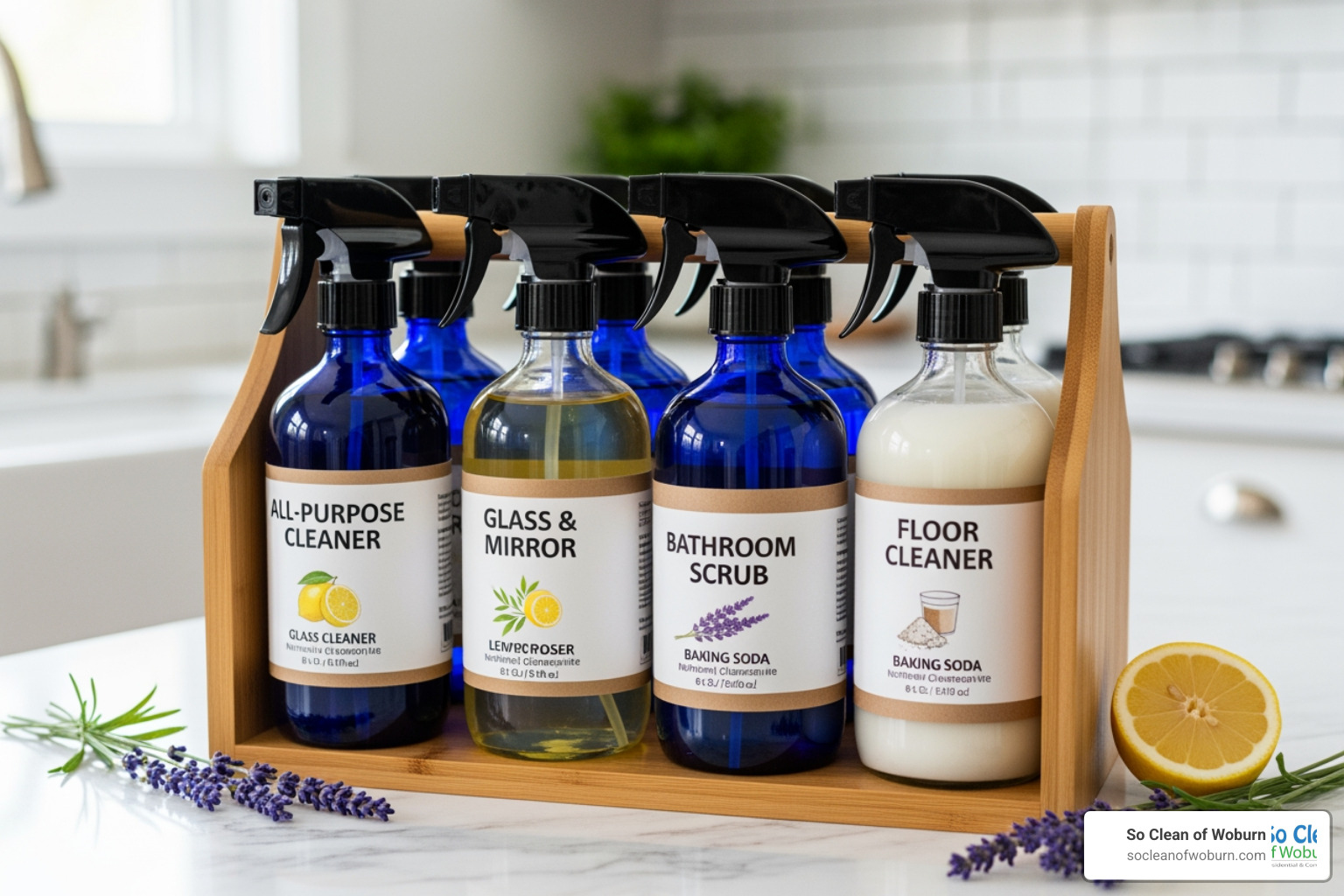
Creating your own cleaning solutions is wonderfully straightforward, but a few simple habits will ensure they stay effective and safe. First things first: always label your containers clearly with what’s inside and the date you made it. Trust me, three unlabeled spray bottles on your shelf all look remarkably similar when you’re in a hurry!
Glass spray bottles are your best friend, especially when you’re working with essential oils. Some plastics can break down over time when exposed to certain oils, which isn’t what you want. For bulk storage, stick with airtight containers to keep everything fresh.
Just like any cleaning product, store your homemade solutions out of reach of children and pets. Natural doesn’t automatically mean harmless if someone decides to take a big gulp. And speaking of freshness, natural cleaners have a shorter shelf life than their chemical-laden cousins. Those harsh preservatives in commercial products aren’t there for nothing! Solutions containing water can develop bacteria over time, so plan to use them within a few weeks to a couple of months. Using distilled water in your recipes helps extend their life a bit. If something changes color, smells funky, or separates in a weird way, it’s time to whip up a fresh batch.
One last tip: give your bottles a gentle shake before each use. Natural ingredients sometimes settle or separate, and a quick shake ensures everything’s properly mixed and ready to tackle your cleaning tasks.
Important Precautions for your natural home cleaning
Even the gentlest natural ingredients deserve respect and proper handling. Before you spray a new cleaner all over your prized marble countertop or antique wood furniture, do a patch test in a small, hidden spot first. This simple step can save you from heartbreak and expensive repairs.
Surface compatibility is crucial. Here’s something that surprises many people: vinegar and lemon juice, despite being natural superstars, are the sworn enemies of natural stone. Never use these acidic cleaners on marble, granite, or other stone surfaces—the acid will etch and dull the finish, causing damage that’s often permanent. For these beautiful surfaces, stick with a gentle dish soap and water solution instead.
If you have pets at home, essential oil safety requires extra attention. While these aromatic oils are wonderful for us, some can be quite harmful to our furry family members, even when just diffused in the air. Before adding essential oils to your cleaning routine, take a moment to learn about essential oils that are toxic to pets. It’s a small step that protects your beloved companions.
Now for the most critical warning: never, ever mix chlorine bleach with anything except water. This isn’t just good advice—it’s a potentially life-saving warning. Combining bleach with acidic ingredients like vinegar or lemon juice creates toxic chlorine gas. Mixing it with ammonia-based cleaners produces chloramine vapors. Both of these chemical reactions release gases that are extremely dangerous and can be fatal. The Washington State Department of Health provides detailed information on the dangers of mixing bleach with other cleaners, and it’s worth reading if you keep bleach in your home.
Frequently Asked Questions
We hear these questions all the time from folks making the switch to natural home cleaning, so let’s tackle them head-on.
Are natural cleaners effective disinfectants?
Yes, many natural ingredients pack serious disinfecting power! White vinegar contains acetic acid that kills common bacteria like Salmonella and E. coli. Hydrogen peroxide and isopropyl alcohol are also excellent natural alternatives to chlorine bleach—they’re even on the EPA’s List N for effectiveness against coronavirus strains. Now, here’s the honest truth: vinegar isn’t classified by the FDA as a true disinfectant because it doesn’t kill 99.9% of germs like some commercial products do. But for everyday cleaning in most homes, good old soap and water combined with natural ingredients reduce germs to perfectly safe levels. Unless you’re dealing with a specific medical situation or contamination issue, natural cleaners handle typical household germs beautifully.
Can I use DIY cleaners on all surfaces?
Not quite—this is where that surface compatibility we mentioned earlier comes into play. Acidic cleaners like vinegar and lemon are fantastic on many surfaces but should never touch natural stone like marble or granite. They’ll etch the surface and dull the beautiful finish you paid good money for. Before using any cleaner on a new surface, do a quick search to verify it’s safe, and always perform that patch test in an inconspicuous spot first. A little caution saves a lot of regret!
How do I avoid “greenwashing” when buying products?
Ah, greenwashing—the frustrating practice where companies slap “all-natural” or “green” on their labels while still loading products with questionable ingredients. Since regulations around these terms are surprisingly loose, you need to become a savvy detective. Don’t trust the front label alone; flip that bottle over and read the actual ingredient list. Transparency is a great sign—companies proud of their ingredients will list them clearly.
Use helpful research tools to cut through the marketing hype. Apps like ‘Think Dirty’ let you scan products right in the store to see potentially harmful ingredients and their risk levels. Websites like ‘I Read Labels for You’ offer thorough research on products claiming to be clean. Look for certifications from reputable third-party organizations like the Environmental Working Group (EWG), Green Seal, or the EPA’s Safer Choice program. These groups apply rigorous standards when evaluating ingredients, packaging, and performance. Understanding what greenwashing is empowers you to make genuinely healthy choices for your home and family.
Conclusion: Accept a Healthier, Greener Clean
If you’ve made it this far, you’re already well on your way to changing how you clean your home. Switching to natural home cleaning isn’t just about swapping out a few bottles under your sink—it’s about creating a genuinely healthier living space for everyone you care about. We’ve walked through how simple pantry staples like vinegar, baking soda, lemon, castile soap, and essential oils can tackle virtually every cleaning challenge in your home, delivering sparkling results without the toxic side effects.
The benefits really do stack up beautifully. You’ll breathe easier knowing your indoor air quality has improved, feel confident that your children and pets aren’t exposed to harsh irritants, and take pride in knowing you’re protecting our waterways and reducing plastic waste. Plus, let’s be honest—saving money while cleaning better is a pretty fantastic bonus.
Getting started is simpler than you might think. You probably already have most of what you need in your kitchen right now. Mix up your first batch of all-purpose cleaner this weekend, and you’ll be amazed at how effective it is. There’s something incredibly satisfying about cleaning your home with ingredients you can actually pronounce and would feel comfortable having around your family.
Of course, we also understand that life gets busy. Between work, family, and everything else demanding your attention, finding time to mix solutions and deep-clean every room isn’t always realistic. That’s where professional help makes all the difference. If you’re in the Greater Boston area—from Woburn to Andover, Lexington to Cambridge, and everywhere in between—we at So Clean of Woburn would love to bring our eco-friendly expertise to your home. We’ve built our reputation on providing customized, top-notch cleaning services that prioritize your health and the environment, delivering impressive results without compromise.
Whether you decide to go the DIY route, work with professionals, or do a combination of both, you’re making a choice that benefits your family’s health and our planet’s future. That’s something worth celebrating.
For a professional green clean in the Greater Boston area, explore our eco-friendly cleaning services today.
Like us on Facebook!