
Why Plant Based Shower Cleaner Matters for Your Home
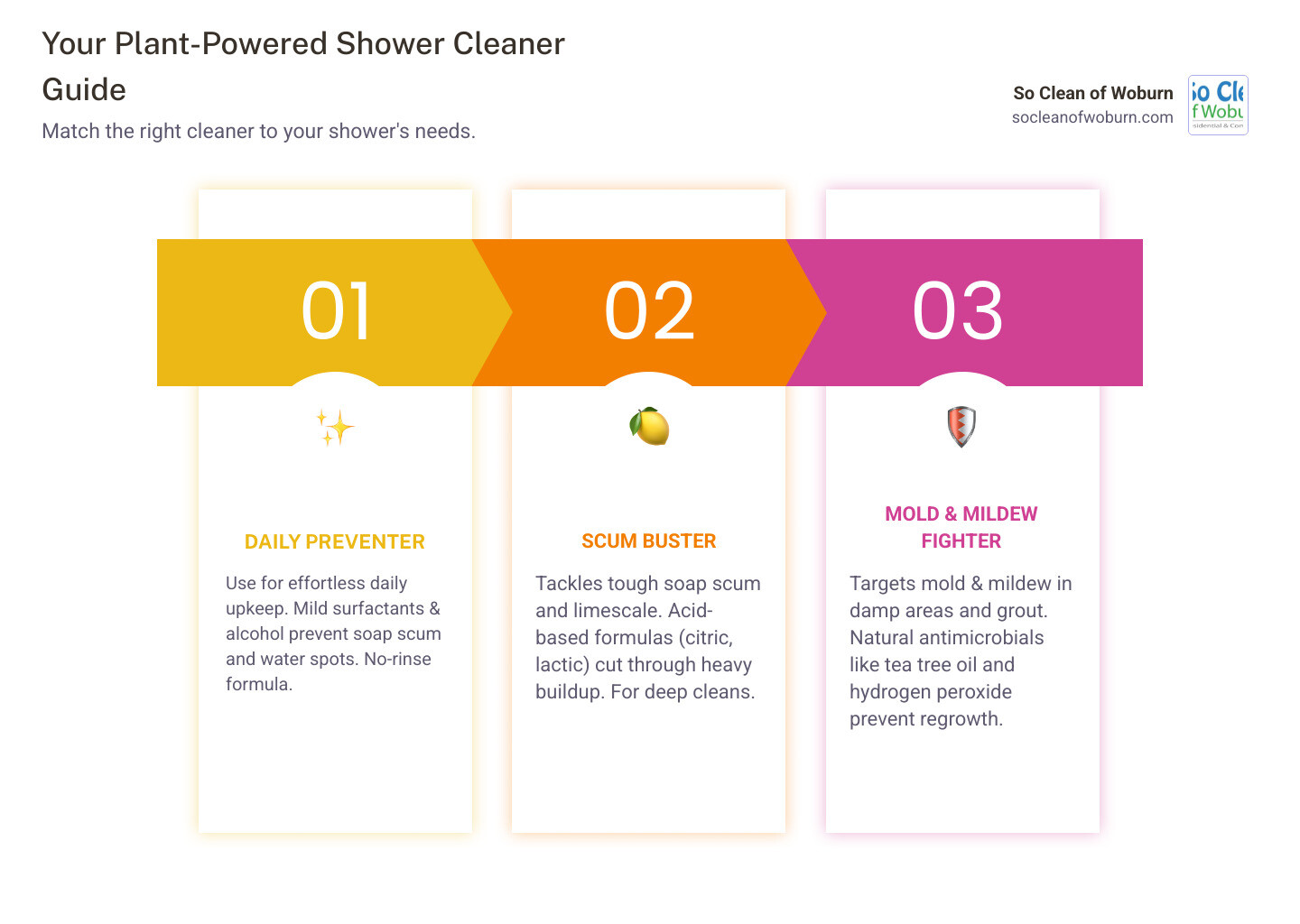
Plant based shower cleaner products are cleaning solutions formulated with naturally derived ingredients like plant acids, surfactants from coconut or corn, and essential oils—designed to tackle soap scum, hard water stains, and mildew without harsh chemicals like ammonia or bleach. Here’s what you need to know when comparing options:
| Cleaner Type | Best For | Key Ingredients | Price Range |
|---|---|---|---|
| Daily Preventer | Maintenance between deep cleans | Alcohol, mild surfactants | $5–$40 |
| Heavy-Duty Scum Buster | Tough soap scum & limescale | Citric acid, lactic acid | $8–$60 |
| Mold & Mildew Fighter | Grout lines & damp areas | Tea tree oil, hydrogen peroxide | $7–$50 |
Few things compare to stepping into a sparkling clean shower—but dealing with soap scum, mildew, and harsh chemical fumes makes it a chore many of us dread. The good news? Natural cleaners can rival and even outperform harsh chemical alternatives while keeping your home healthier for your family and pets.
Today’s plant-based formulas contain 97-98% naturally derived ingredients that actually work. They use plant-derived acids to dissolve limescale, surfactants from coconut to lift grease, and natural antimicrobials like tea tree oil to fight mold—all without the toxic fumes or environmental harm of conventional cleaners.
As Bill McGrath, owner of So Clean of Woburn, I’ve spent years helping families in Massachusetts and New Hampshire find effective plant based shower cleaner solutions that fit their busy lives and health priorities. We’ve tested countless products to find what truly delivers professional results without compromise.
For more information, you can explore topics like natural home cleaning or browse a selection of plant based bathroom cleaner products.
The Powerful Benefits of Plant-Based Shower Cleaners
Switching to a plant based shower cleaner isn’t just a trend; it’s a conscious choice for a healthier home and a cleaner planet. We often hear about “harsh chemicals” in conventional cleaners, but what does that actually mean for us and our environment?
First and foremost, plant-based cleaners offer significant health benefits. Many conventional cleaners contain volatile organic compounds (VOCs) like ammonia, chlorine bleach, ethanolamines, phthalates, and formaldehyde. These chemicals can irritate our respiratory systems, skin, and eyes, and some are even linked to more serious health issues. For families with children, pets, or individuals with allergies and sensitivities, the impact of these harsh fumes can be particularly concerning. As one expert noted, “chlorine bleach is harmful to nearly every part of the body.” Our goal at So Clean of Woburn is always to promote a healthy environment in your home, and that starts with the products we use.
Beyond immediate health, the environmental impact of plant-based cleaners is a game-changer. Environmentally friendly bathroom cleaning products are typically made with biodegradable ingredients that break down naturally, reducing pollution in our waterways. Many formulations use renewable resources like corn, coconut, and palm kernel oils, lessening our reliance on petroleum-based chemicals. Brands like ECOS even go further, committing to “climate positivity, restoring more than 100% of the carbon, water, and energy used in production.” This commitment to sustainability extends to sustainable packaging, with many products using recycled materials like HDPE #2 plastic, which is easily recyclable, and offering eco-refills to reduce waste.
Furthermore, a significant number of plant-based brands prioritize ethical practices. You’ll often find products that are cruelty-free, meaning they haven’t been tested on animals, and many are 100% vegan.
But do these “gentler” cleaners actually work? Absolutely! The myth that natural cleaners are less effective than their chemical counterparts is simply that—a myth. Modern plant based shower cleaner formulations are highly sophisticated. They are designed to be effective formulas, with many boasting 97% to 98% naturally derived ingredients, offering cleaning power that can “rival and in some cases outperform harsh chemical cleaners.” They cut through soap scum, hard water stains, and grime, leaving your shower sparkling clean without the noxious fumes or harmful residues.
How They Work: The Science Behind Plant-Powered Cleaning
Have you ever wondered how a plant based shower cleaner manages to dissolve stubborn soap scum and banish mildew without harsh chemicals? The secret lies in using the power of nature’s chemistry. Instead of synthetic detergents and strong acids, these cleaners use plant-derived compounds that are just as effective, but much kinder to you and the planet.
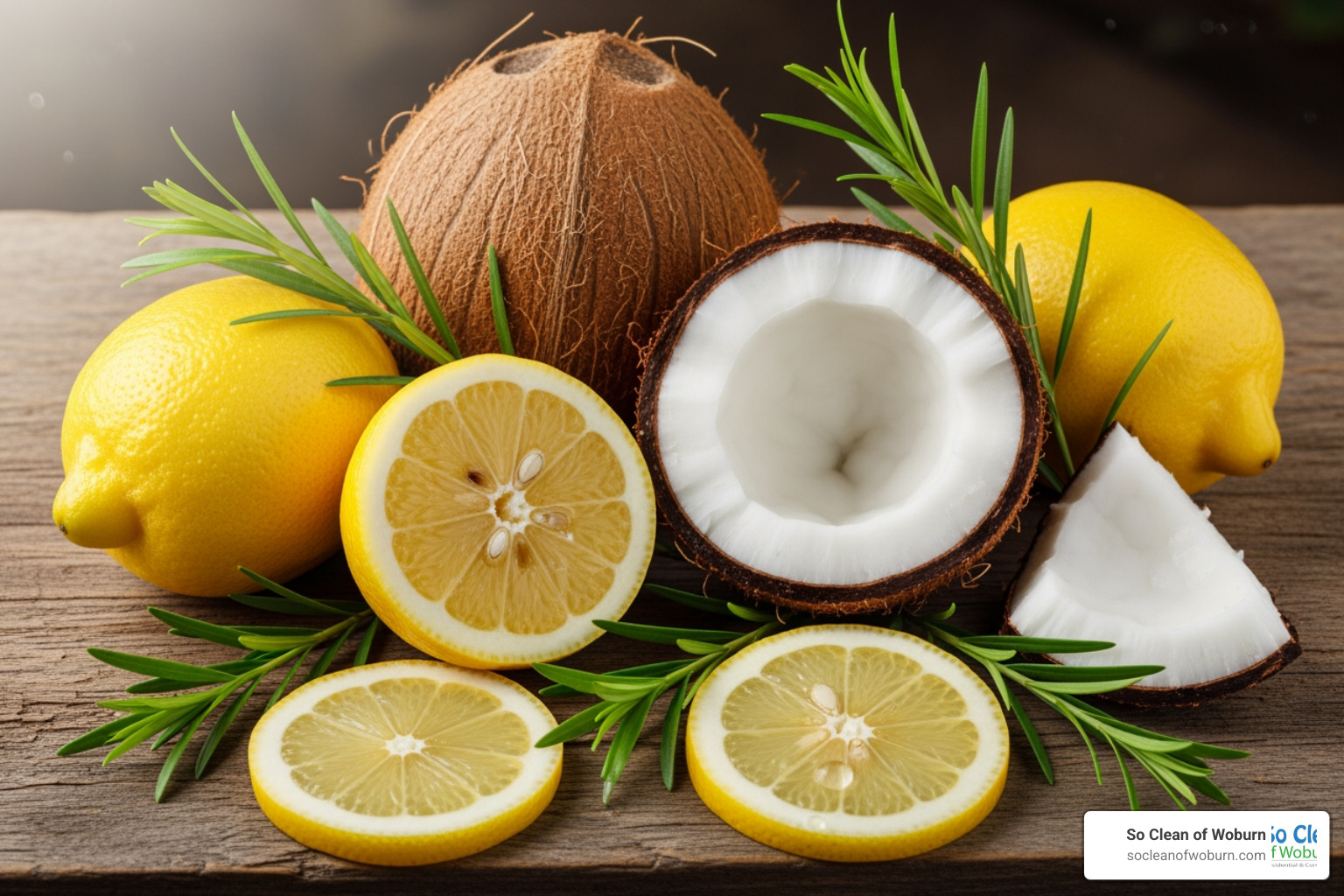
The core mechanism involves three main types of plant-derived ingredients: acids, surfactants, and antimicrobials. For example, some Nuvera cleaners feature surfactants derived from corn, and fatty alcohols from coconut and palm kernel oils. These natural ingredients actively work to break down the grime that accumulates in our showers. Let’s explore the science behind how these plant-powered wonders tackle your toughest shower challenges.
The Acid Attack: Breaking Down Buildup
One of the most common culprits in a dirty shower is limescale and hard water stains, which are alkaline mineral deposits. This is where plant-derived acids come to the rescue! Ingredients like citric acid (found in lemons and other citrus fruits) and lactic acid (a natural acid found in dairy, and also produced by fermentation) are excellent at dissolving alkaline stains.
Vinegar, another powerful natural acid, is a prime example. Its active component, acetic acid, is highly effective at cutting through soap scum, mildew, and mold, and breaking down the minerals in hard water. We’ve seen how a simple 50-50 mix of dish soap and heated vinegar can “magically cut through soap scum on tubs, tiles, faucets, and showers—no need to scrub.” These acids work by reacting with the mineral deposits, breaking them down into easily rinsable forms. This means your shower surfaces, like tiles and glass, can be left sparkling clean without the need for abrasive scrubbing or corrosive chemicals.
The Surfactant Solution: Lifting Grease and Grime
If your shower has that greasy residue from body oils, shampoos, and conditioners, you need a good surfactant. Surfactants, short for “surface-active agents,” are molecules that can bind to both oil and water. This allows them to lift greasy grime off surfaces and suspend it in water, making it easy to rinse away.
In plant based shower cleaner products, you’ll often find plant-derived surfactants like decyl glucoside, coco-glucoside, and caprylyl/myristyl glucoside. These are typically sourced from coconuts, corn, or other plant sugars. As one of our research sources pointed out, surfactants like decyl glucoside are “effective cleaning agents that can bind oil and water,” just like those found in your shower gel or shampoo. They penetrate the greasy film, surround the dirt particles, and allow them to be washed away, leaving surfaces clean and residue-free. Nuvera’s cleaner, for instance, uses a surfactant derived from corn and fatty alcohols from coconut and palm kernel oils. This natural approach effectively removes grime without leaving behind any oily residue.
The Antimicrobial Action: Fighting Mold and Mildew
The warm, damp environment of a shower is unfortunately a perfect breeding ground for mold and mildew. These fungal growths not only look unsightly but can also pose health risks. For combating these unwelcome guests, natural antimicrobials derived from plants are incredibly effective.
Tea tree oil is a standout ingredient in this category, renowned for its natural antibacterial and antifungal properties. Studies show tea tree oil can be effective even in concentrations as low as 0.25%. Similarly, alcohol (often listed as alcohol denat. or isopropyl alcohol) is a highly effective natural antibacterial agent. Research indicates that alcohol at concentrations from 40-100% can kill E. coli and Salmonella within 10 seconds, and concentrations between 60-95% are effective against Staphylococcus aureus bacteria. Both tea tree oil and alcohol-based cleaners are excellent choices for tackling and preventing mold and mildew in damp areas like showers, helping to keep your bathroom hygienic. For more information on mold, you can consult the General Information about Mold from the CDC.
Your Guide to the Best Plant Based Shower Cleaner Types
Choosing the right plant based shower cleaner depends on your cleaning habits and the specific challenges your shower faces. Just like you wouldn’t use a feather duster for a deep spring clean, different formulations are designed for different tasks. We’ve identified three main types that cover all your shower cleaning needs, from daily touch-ups to tackling stubborn grime.
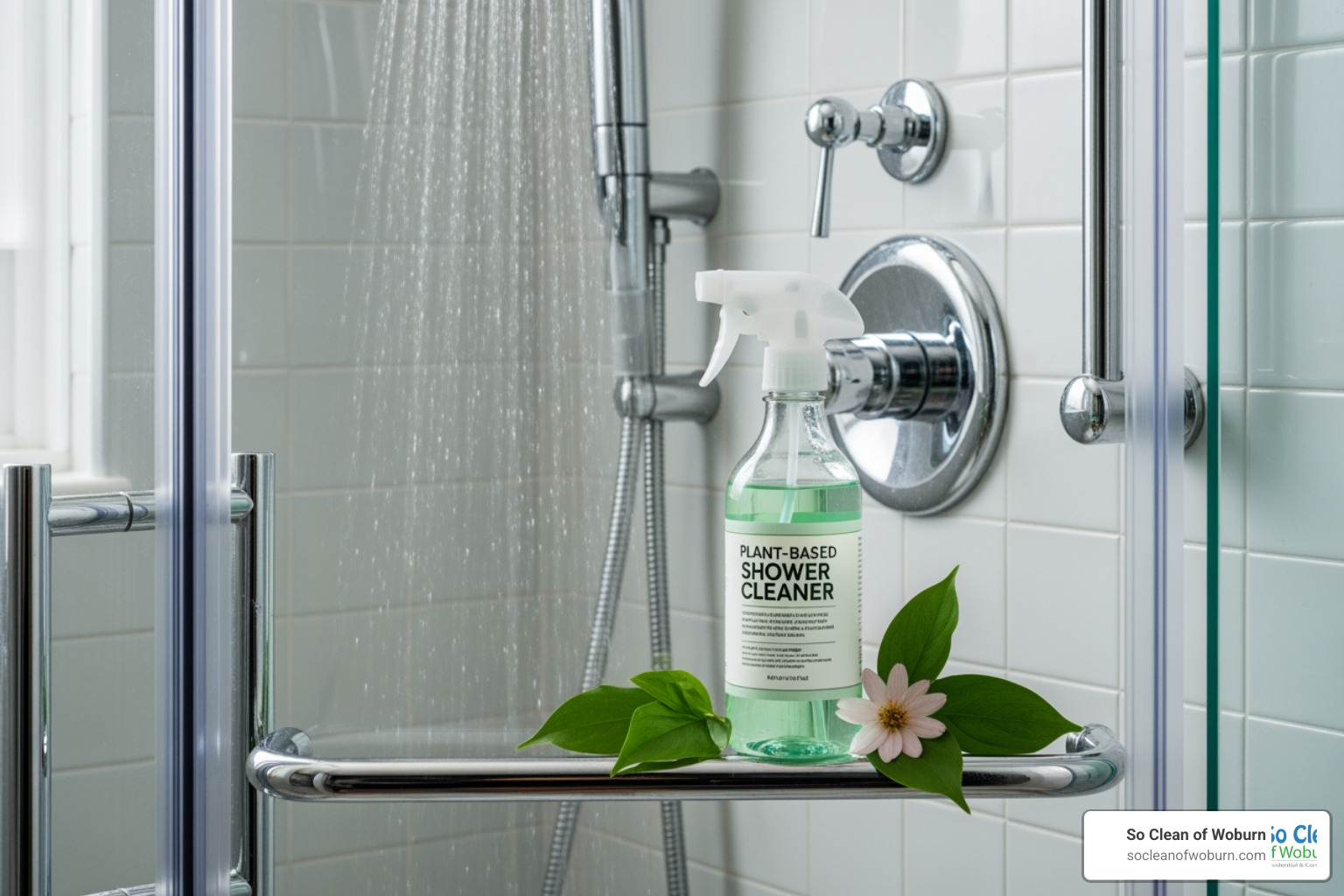
The Daily Preventer: A Plant Based Shower Cleaner for Effortless Upkeep
This type of plant based shower cleaner is your secret weapon for maintaining a perpetually clean shower with minimal effort. The idea is simple: spray and walk away. These no-rinse formulas are designed to be used daily, immediately after your shower, while surfaces are still wet.
Products like Method Daily Shower Cleaner are specifically formulated to “eliminate and prevent soap scum with no rinsing, scrubbing or wiping.” Similarly, ECOS recommends spraying a “fine mist after each shower and let it air dry” for daily protection against water spots and soap scum build-up. These cleaners work by creating a protective barrier and gently dissolving new soap film and mineral deposits before they have a chance to harden and become a problem. Daily preventers are ideal for:
- Preventing soap scum buildup
- Reducing hard water spots
- Keeping glass shower doors clear
- Maintaining a fresh scent in the bathroom
This proactive approach means you can significantly reduce the frequency and intensity of deep cleaning sessions, making shower maintenance a breeze. Think of it as brushing your teeth daily to avoid a trip to the dentist!
The Heavy-Duty Scum Buster
For showers that have seen better days, or for your weekly deep clean, you’ll need a more robust plant based shower cleaner: the heavy-duty scum buster. These cleaners are formulated with stronger concentrations of acid-based formulas designed to cut through thick soap scum and tackle tough limescale that has accumulated over time.
Ingredients like citric acid and lactic acid, often found in products such as Lemi Shine Shower + Tile Cleaner, are key here. These cleaners typically require dwell time, meaning you spray them on and let them sit for a period—anywhere from 5 to 30 minutes, or even overnight for very stubborn buildup—to allow the acids to work their magic.
For a powerful DIY option, we often recommend a heated mixture of vinegar and dish soap. As we’ve learned, “white vinegar is effective at breaking down minerals in hard water and soap scum due to its acidic nature.” This combination is incredibly effective for dissolving years of grime. After the cleaner has had time to penetrate the buildup, a light scrub and rinse will reveal a dramatically cleaner surface. These heavy-duty cleaners are best for:
- Weekly or bi-weekly deep cleans
- Removing stubborn soap scum and hard water rings
- Restoring shine to neglected surfaces
- Addressing significant limescale accumulation
The Mold & Mildew Fighter: A Plant Based Shower Cleaner for Damp Spaces
Mold and mildew thrive in the perpetually damp environment of a shower, especially in grout lines and poorly ventilated areas. For these specific challenges, a plant based shower cleaner with strong antimicrobial properties is essential.
Cleaners in this category often feature natural powerhouses like tea tree oil and alcohol. As we discussed, tea tree oil is a natural antiseptic and antifungal, making it excellent for inhibiting mold and mildew growth. Alcohol, another effective natural antibacterial, also plays a crucial role in disinfection.
When using a mold and mildew fighter, pay close attention to grout lines, shower corners, and around drains where moisture tends to linger. For existing mold and mildew, you’ll typically spray the cleaner directly onto the affected area, let it sit for a recommended period (often 10-15 minutes), and then wipe or scrub clean. Some products, like Ecozone’s Ultra Shower Cleaner, are even designed to be sprayed on and “leave overnight or for 6 hours” to effectively eliminate mould and protect against regrowth. These targeted cleaners are vital for:
- Preventing fungal growth in damp environments
- Treating existing mold and mildew stains
- Disinfecting surfaces naturally
- Maintaining hygiene in areas prone to dampness
While these cleaners are powerful, it’s crucial to always follow the product’s instructions and ensure adequate ventilation in your bathroom.
Smart Shopping & Safe Usage Guide
Navigating cleaning products can feel overwhelming, especially with so many claims about “natural” and “eco-friendly” formulas. But with a few smart shopping strategies and best practices, you can confidently choose and use the right plant based shower cleaner for your home in Massachusetts and New Hampshire.
| Metric | Plant-Based Cleaners | Conventional Cleaners |
|---|---|---|
| Key Actives | Citric acid, lactic acid, plant-derived surfactants (e.g., coco-glucoside), essential oils (e.g., tea tree oil), alcohol, hydrogen peroxide | Bleach, ammonia, synthetic detergents, strong mineral acids, phosphates, phthalates |
| Health Impact | Generally non-toxic, fewer respiratory irritants, better for sensitive skin, safer for children and pets | Can cause respiratory issues, skin/eye irritation, toxic fumes, potential long-term health concerns |
| Environmental Footprint | Biodegradable ingredients, renewable resources, less water pollution, often climate-positive manufacturing, sustainable/recycled packaging | Non-biodegradable components, petroleum-based, contribute to water pollution, higher carbon footprint, less sustainable packaging |
| Surface Safety | Generally safe for most surfaces (with precautions for natural stone), non-abrasive | Can be corrosive, strip finishes, damage certain materials (e.g., marble, wood), harsh abrasives |
Decoding Labels: Certifications to Trust
When you’re standing in the cleaning aisle, how do you know if a plant based shower cleaner is truly what it claims to be? Certifications are your best friend. Look for these trusted labels that indicate a product meets rigorous standards for environmental and health safety:
- EPA Safer Choice: This logo from the U.S. Environmental Protection Agency means the product contains ingredients that are safer for human health and the environment, without sacrificing quality or performance. We always recommend looking for the EPA Safer Choice label to help guide your sustainable cleaning choices.
- Leaping Bunny Certified: This certification guarantees that no animal testing was performed in the development of the product, from ingredients to final formulation.
- EWG VERIFIED™: The Environmental Working Group (EWG) stamp means a product avoids chemicals of concern and provides full transparency on its ingredients. Method’s Daily Shower Cleaner, for instance, is EWG VERIFIED™.
- USDA Certified Biobased Product: This label indicates that the product is composed, in whole or in significant part, of biological products or renewable domestic agricultural materials.
Beyond certifications, also keep an eye out for keywords on the packaging such as “biodegradable,” “phosphate-free,” “non-toxic,” “no ammonia or phosphates,” and “cruelty-free.” Nuvera, for example, highlights that their cleaner is “biodegradable” and contains “no ammonia or phosphates.” Transparency in ingredient disclosure is a key factor for us when evaluating products, as it should be for you.
Surface Safety: Is It Safe for My Shower?
While plant based shower cleaner products are generally safer, it’s crucial to remember that “not all cleaners are suitable for every surface.” Always check the label to ensure compatibility with your specific bathroom materials.
Natural stone precautions are particularly important. Surfaces like marble and granite are porous and can be etched or damaged by acidic cleaners, including vinegar. Nuvera explicitly states their cleaner is “not for use on cultured marble” and not recommended for “wood or other varnished surfaces.” If you have natural stone in your shower, opt for pH-neutral plant-based cleaners or specifically formulated stone cleaners.
Our best advice: Test in an inconspicuous area before use. This simple step can prevent accidental damage and give you peace of mind. For general surfaces like ceramic tiles, acrylic, and glass, most plant-based shower cleaners are safe and effective.
Best Practices for a Sparkling Finish
Using the right product is only half the battle; proper technique ensures optimal results:
- Let it sit: For tough stains or heavy buildup, don’t rush it. “Pre-treat stains by spraying cleaner and letting it sit before scrubbing.” Allow the cleaner sufficient “dwell time” (as recommended on the label, often 5-15 minutes) to break down grime before wiping or rinsing.
- Using the right tools: Equip yourself with effective tools. “Use the right tools like microfiber cloths, scrub brushes, and squeegees.” Microfiber cloths are excellent for streak-free drying, and a squeegee can be a daily habit for glass shower doors.
- Proper ventilation: Even with plant-based cleaners, it’s always a good idea to “ventilate the area by opening windows or using a fan while cleaning.” This helps disperse any lingering scents and ensures a comfortable cleaning experience.
- Using refillable bottles: Many brands offer eco-refills, allowing you to reuse your spray bottles and reduce plastic waste. This is a simple yet impactful way to make your cleaning routine more sustainable.
By following these guidelines, you’ll not only achieve a sparkling clean shower but also contribute to a healthier home and a greener planet.
Frequently Asked Questions about Plant-Based Cleaners
We know you might have more questions as you consider making the switch to a plant based shower cleaner. Here are some common queries we encounter from our clients in Andover, Lexington, Woburn, and across the Greater Boston area:
Are plant-based cleaners as effective as conventional bleach-based cleaners?
This is perhaps the most common question we hear, and the answer is a resounding yes! “Natural, earth-friendly, vegan, and environmentally safe cleaners can rival and even outperform harsh chemical cleaners.” While conventional bleach-based cleaners might offer instant visual gratification by bleaching stains, they don’t always fully break down the underlying grime. Plant-based cleaners, however, are specifically formulated to tackle the root causes of shower mess:
- Soap scum and hard water: Plant-derived acids like citric acid and lactic acid actively dissolve these mineral deposits. As the Cleanzen blog notes, “Vinegar is a natural ingredient with acidic properties that is effective at cutting through soap scum, mildew, and mold.”
- Grease and grime: Plant-derived surfactants lift and emulsify oily residues.
- Mold and mildew: Natural antimicrobials like tea tree oil and alcohol provide genuine disinfection and prevent regrowth.
The key often lies in dwell time importance and using targeted formulas. Allowing a plant-based cleaner to sit for a bit longer gives its natural ingredients time to work, often achieving a deeper clean without the harshness. So, while a bleach cleaner might whiten a mold stain, a plant-based cleaner can kill the mold and break down the organic matter. Many plant-based cleaners are designed to kill 99.9% of germs, demonstrating their efficacy.
How do I deal with a very dirty shower?
If your shower hasn’t seen a good cleaning in a while, don’t despair! A plant based shower cleaner can still bring it back to life, though it might require a bit more initial effort.
- Initial deep clean: Start by removing everything from the shower (curtains, bottles, etc.). For very heavy buildup, you might need a powerful acid-based scum buster. Spray it generously, let it sit for the maximum recommended dwell time (e.g., 15-30 minutes, or even overnight for extreme cases), and then scrub with a good brush. The Spruce recommends a 50-50 mix of heated vinegar and dish soap for this.
- Wiping during first usage: For daily shower sprays, some brands advise that “for very dirty showers, expect results after 3 or 4 weeks of usage or wipe during first usage.” This means you might need to manually wipe down surfaces after the first application to help kickstart the cleaning process.
- Consistent daily application: Once you’ve done the initial deep clean, consistency is key. Switch to a daily preventer spray. By applying a fine mist after each shower, you’ll stop new soap scum and hard water stains from forming, gradually improving the overall cleanliness and reducing the need for intensive scrubbing.
Patience is a virtue, especially when transitioning to gentler cleaning methods. The long-term benefits of a healthier environment are well worth the initial effort.
Can I make my own effective plant-based shower cleaner?
Absolutely! DIY plant based shower cleaner recipes are a popular and effective way to go green. Many common household ingredients are fantastic natural cleaners:
- Vinegar and dish soap: This dynamic duo is a favorite. The Spruce suggests heating one cup of vinegar, pouring it into a spray bottle, and then adding one cup of dish soap. A gentle swirl combines them into a powerful soap scum remover. The vinegar breaks down minerals, while the dish soap tackles grease.
- Hydrogen peroxide and alcohol (vinegar-free): For those with natural stone or aversion to vinegar, a vinegar-free option can be made with 1/2 cup rubbing alcohol, 1/2 cup hydrogen peroxide, a few drops of dish soap, a tablespoon of dishwasher rinse aid, and 2 cups of water. This mix offers cleaning power and antimicrobial action.
- Baking soda and vinegar: For tough spots and grout, a paste of baking soda and vinegar works wonders as a mild abrasive and stain lifter.
While DIY cleaners are cost-effective and allow you to control ingredients, commercial plant based shower cleaner formulas often offer benefits of commercial formulas such as:
- Stabilizers: To ensure ingredients remain effective over time.
- Optimized surfactants: Precisely balanced for maximum cleaning power and minimal residue.
- Fragrance: Natural essential oils that provide a pleasant, lasting scent without being overpowering (e.g., eucalyptus mint, tea tree, citrus zest).
- Ease of use: Ready-to-use sprays and foams are convenient for busy households.
Whether you choose DIY or store-bought, the important thing is to accept plant-powered cleaning for a healthier home.
Conclusion: Accept a Healthier, Cleaner Home
Making the switch to a plant based shower cleaner is more than just a change in product; it’s an investment in your family’s health, your home’s longevity, and the well-being of our shared environment. We’ve seen how these innovative formulas leverage the natural cleaning power of plants—from dissolving acids to grease-lifting surfactants and antimicrobial essential oils—to deliver sparkling results without the hidden costs of harsh chemicals.
By choosing plant-based options, you’re not only creating a safer indoor atmosphere, free from irritating fumes and residues, but you’re also supporting sustainable practices like biodegradable ingredients, renewable resources, and recycled packaging. It’s a simple switch that contributes to a healthier home and a cleaner planet, aligning perfectly with our values at So Clean of Woburn.
For a professionally deep-cleaned and healthy home environment in the Greater Boston area, including towns like Woburn, Lexington, Arlington, and Belmont, the experts at So Clean of Woburn use effective and safe cleaning practices. We’re committed to providing top-notch, customized cleaning solutions that deliver impressive results and a healthy environment for your home.
Learn more about our eco-friendly cleaning services and find how we can help you maintain a truly clean and healthy living space.