

Why Plant-Based Disinfectant Cleaner is Revolutionizing Home Hygiene
Plant based disinfectant cleaner options are changing how busy families protect their homes from germs without exposing loved ones to harsh chemicals. These natural alternatives use botanical ingredients like thymol, citric acid, and essential oils to kill 99.9% of bacteria and viruses while remaining safe around children and pets.
Top Plant-Based Disinfectant Options:
- Thymol-based cleaners – EPA-registered, hospital-grade disinfection from thyme oil
- Citric acid formulas – Citrus-derived ingredients that kill germs and remove soap scum
- Essential oil blends – Antimicrobial properties with pleasant, natural fragrances
- DIY solutions – White vinegar, hydrogen peroxide, and alcohol-based recipes
- Ready-to-use sprays – Convenient bottles with plant-powered active ingredients
Traditional chemical cleaners often contain bleach, ammonia, and synthetic fragrances that can trigger respiratory issues and skin irritation. Plant-based alternatives deliver the same germ-killing power using ingredients derived from nature.
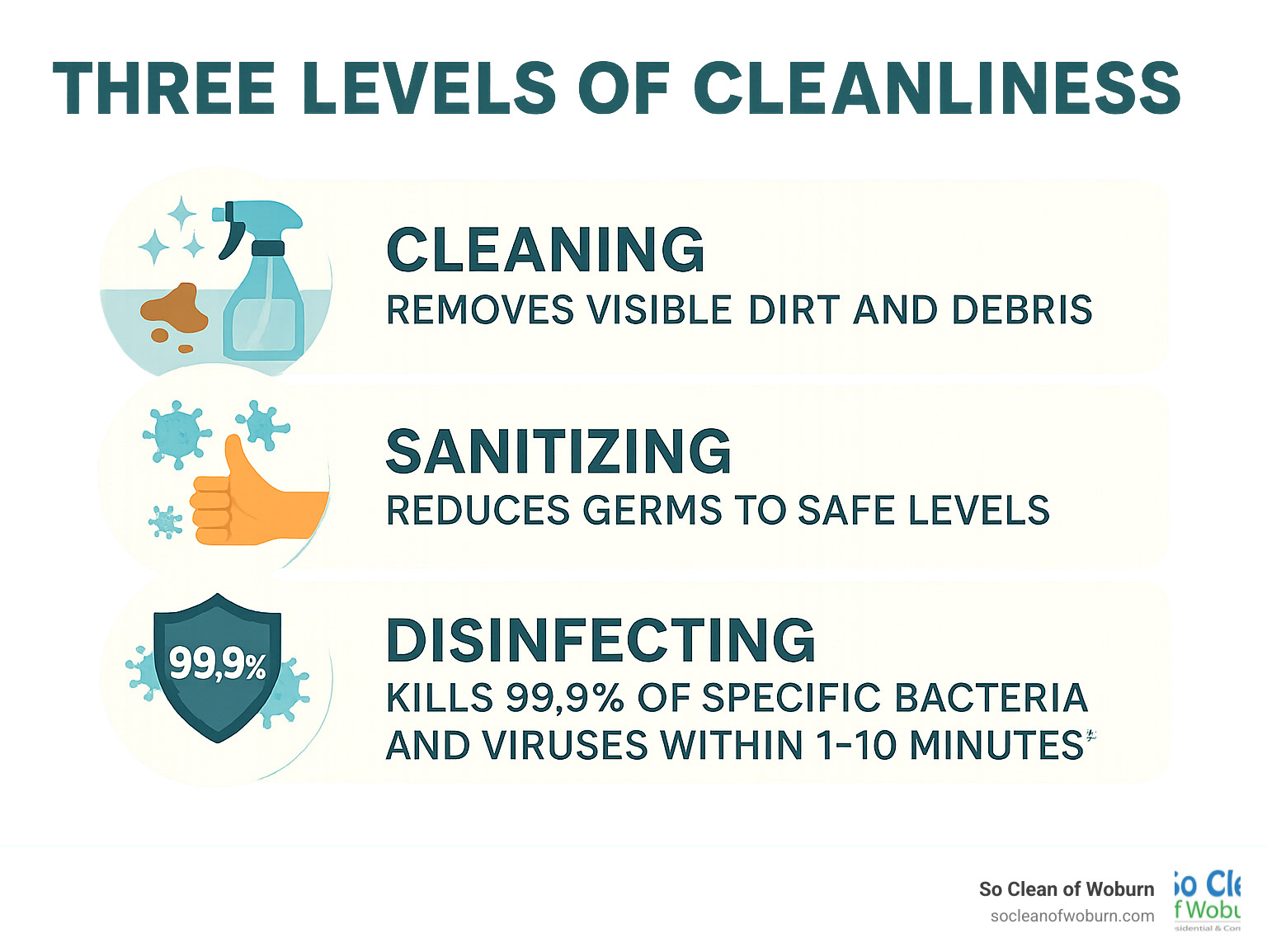
These cleaners work on multiple levels – they clean by removing dirt and grime, sanitize by reducing germs to safe levels, and disinfect by killing specific pathogens like cold and flu viruses. Many are EPA-registered and approved for use against COVID-19.
The shift toward botanical disinfectants makes sense for busy professionals who want effective cleaning without compromising their family’s health or the environment.
Why Choose a Plant-Based Disinfectant Cleaner?
Making the switch to a plant-based disinfectant cleaner isn’t just about jumping on the latest trend – it’s about creating a healthier, safer environment for everyone you care about. When you’re juggling work, family, and everything in between, the last thing you need is worrying about whether your cleaning products are doing more harm than good.
Let’s talk about the elephant in the room: those harsh chemicals lurking in traditional cleaners. We’ve all experienced that overwhelming smell when opening a bottle of conventional disinfectant – the kind that makes you hold your breath and wonder if you should open a window. Those sulfates, parabens, phthalates, and synthetic fragrances can trigger respiratory symptoms, skin irritation, headaches, and even nausea. It’s particularly concerning when you consider the impact of cleaning supplies on health, especially on our indoor air quality.
Plant-based alternatives flip this script entirely. They’re non-fuming and non-toxic, which means you can clean your kitchen counters without worrying about toxic residues on surfaces where you prepare food. No more holding your breath while scrubbing the bathroom or rushing to open windows after cleaning.
If you have little ones running around, this becomes even more important. Children are naturally more sensitive to chemical exposure because their bodies are still developing. Plant-based cleaners give you peace of mind when your toddler inevitably licks the coffee table you just disinfected (we’ve all been there!). The same goes for our furry family members – pets spend a lot of time close to floors and surfaces, making safer cleaning products a no-brainer for animal-loving households.
For families dealing with allergies or respiratory sensitivities, traditional cleaners can turn routine cleaning into a health challenge. Plant-based formulas significantly reduce the risk of triggering these reactions, making cleaning day less stressful for everyone involved.
Beyond protecting your family’s health, choosing plant-based cleaners is like giving the planet a little hug. These products typically feature biodegradable ingredients that break down naturally without harming ecosystems. Many brands also prioritize sustainable packaging practices, offering concentrates to reduce plastic waste or using refillable containers. Some even earn certifications like Carbon Neutral or Green Seal, showing their commitment goes beyond just the formula itself.
When it comes to actually using these cleaners, you’ll appreciate their surface safety and versatility. Unlike harsh chemicals that can damage or discolor certain materials, many plant-based disinfectants work safely on marble, granite, wood, ceramic, and other water-safe surfaces. This means fewer bottles cluttering your cleaning cabinet and less guesswork about which cleaner to use where.
The convenience factor is huge too. Many plant-based disinfectant cleaners are safe for food-prep areas without requiring a rinse afterward. You can quickly wipe down your cutting board or kitchen island between meal prep without the extra step of rinsing away chemical residues.
For more insights on creating a healthier home environment, check out our guide on Healthy Home Cleaning, where we dive deeper into making your space both spotless and safe for your family.
The Science of Nature: How Plant-Powered Disinfectants Work
Ever wonder how a simple plant can pack the same germ-fighting punch as harsh chemicals? The secret lies in millions of years of natural evolution – plants have developed powerful defense mechanisms to protect themselves from bacteria, viruses, and fungi. When we harness these botanical compounds in a plant based disinfectant cleaner, we’re essentially borrowing nature’s own recipe for survival.
The beauty of plant-based active ingredients is how they work. Instead of overwhelming germs with brute chemical force, botanical compounds are more strategic. They target the cellular structure of microbes – breaking down cell walls, disrupting membranes, or interfering with how viruses replicate. It’s like having a smart weapon that knows exactly where to strike.
These natural warriors don’t discriminate either. Plant-powered cleaners offer antibacterial properties that tackle common household bacteria like Salmonella and E. coli. Their antiviral properties help eliminate cold and flu viruses, while their antifungal properties keep mold and mildew at bay. It’s comprehensive protection from nature’s pharmacy.
What makes this even more impressive is that these botanical ingredients achieve hospital-grade disinfection while remaining gentle enough for daily use around families and pets. No toxic fumes, no harsh residues – just effective, natural cleaning power.
Key Botanical Ingredients and Their Power
Let’s meet the superstars of the plant based disinfectant cleaner world, each bringing their own special talents to the cleaning game.
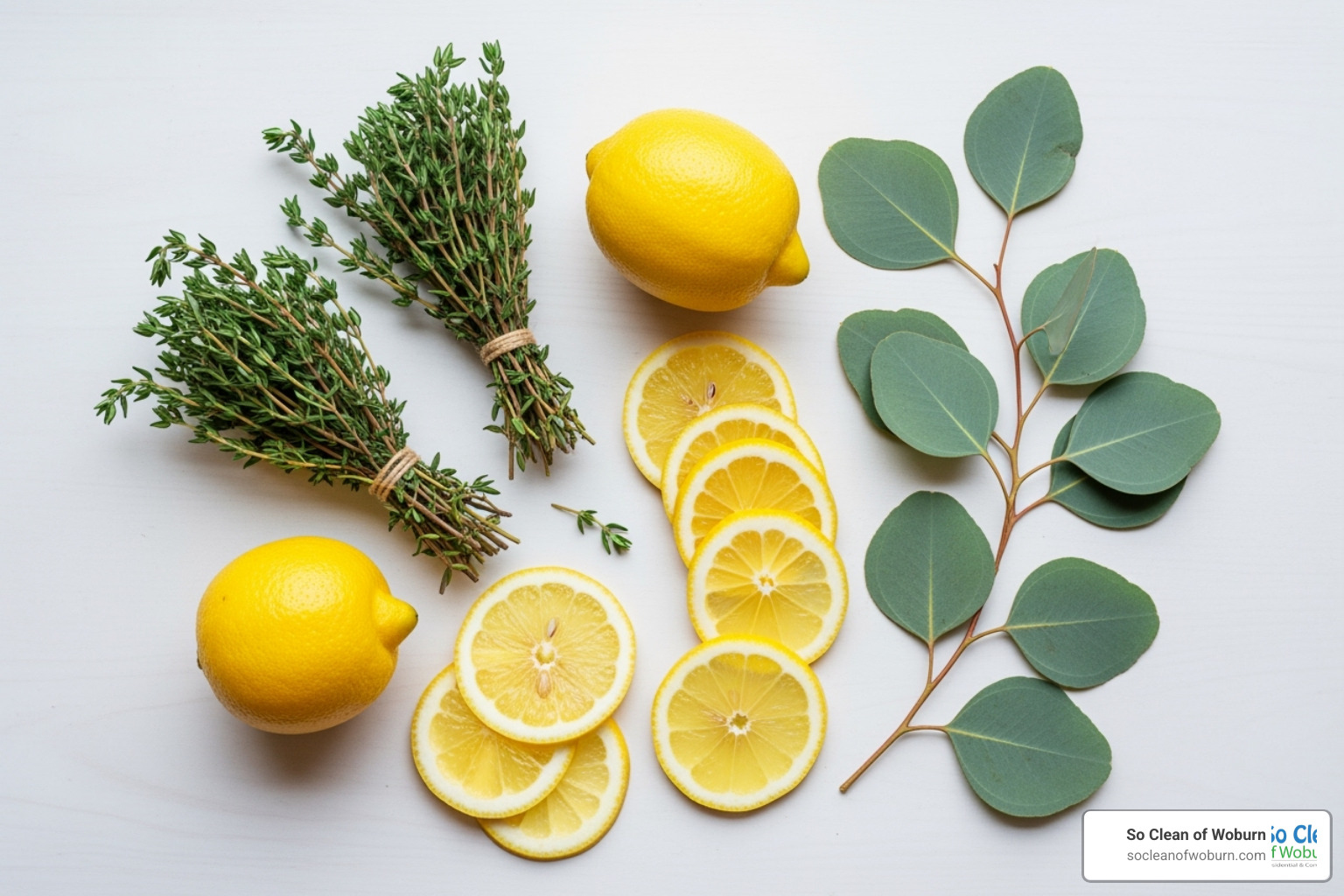
Thymol is the heavyweight champion, derived from humble thyme oil but packing serious punch. This EPA-registered ingredient can achieve hospital-grade disinfection, killing 99.9% of bacteria and viruses without breaking a sweat. What’s remarkable is that thymol-based cleaners are so gentle they don’t require rinsing even on food contact surfaces, yet they’re tough enough for professional use.
Citric acid brings the power of citrus fruits to your cleaning routine. Found naturally in lemons and limes, this ingredient doesn’t just smell fresh – it actively fights germs while dissolving soap scum and hard water stains. It’s particularly brilliant in kitchens and bathrooms, where it pulls double duty as both cleaner and disinfectant.
Essential oils do much more than make your home smell like a spa. These concentrated plant extracts contain natural compounds like phenols and aldehydes that actively hunt down harmful microbes. Tea tree oil, eucalyptus, and lemongrass aren’t just pleasant fragrances – they’re antimicrobial powerhouses that add an extra layer of germ-fighting protection.
Hydrogen peroxide might seem simple, but this naturally occurring compound is incredibly effective against bacteria, viruses, fungi, and yeast. It’s gentle enough for everyday use yet powerful enough to be a go-to ingredient in many DIY cleaning solutions.
Hypochlorous acid represents the cutting edge of natural disinfection. Created through the electrolysis of salt, water, and vinegar, this EPA-registered compound kills 99.9% of germs including COVID-19, all while being gentler than water. It’s proof that sometimes the most effective solutions come from the simplest ingredients.
The science behind plant-based disinfectants shows us that effective cleaning doesn’t require harsh chemicals. Nature has already perfected the art of germ elimination – we’re just smart enough to learn from it.
A Guide to Top Plant-Based Disinfectant Cleaner Types
When you’re shopping for a plant based disinfectant cleaner, you’ll quickly find there’s no one-size-fits-all solution. The good news? This variety means you can find the perfect format for your cleaning style and household needs.
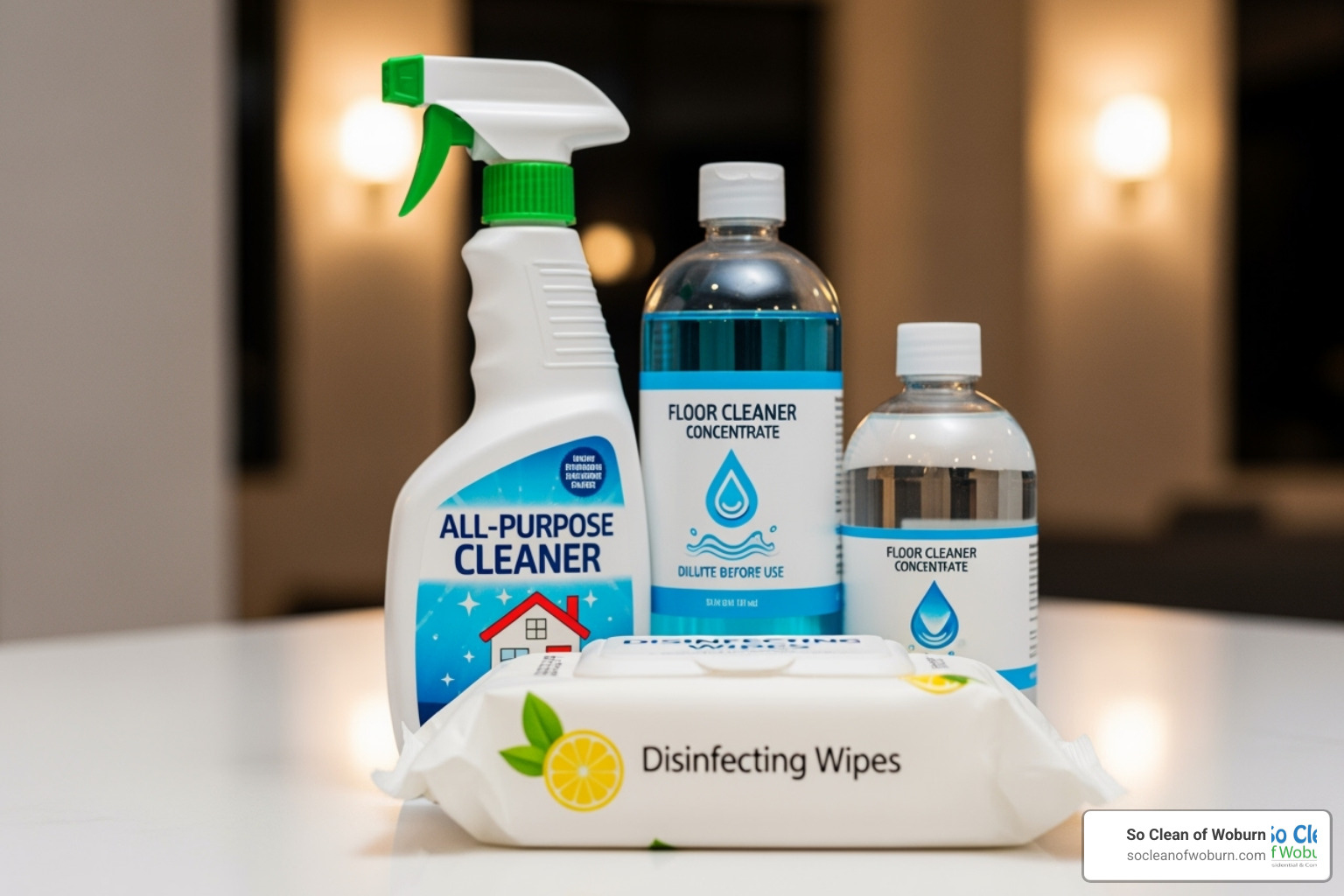
Ready-to-use sprays are the workhorses of the plant-based cleaning world. These convenient bottles come pre-mixed and ready to tackle everything from kitchen spills to bathroom germs. You simply grab, spray, and wipe – perfect for those busy mornings when the kids spill juice on the counter or you need to quickly sanitize high-touch surfaces. Many of these sprays boast impressive germ-kill rates while leaving behind pleasant natural scents instead of harsh chemical odors.
For the environmentally minded (and budget-conscious), concentrates offer an excellent alternative. These powerful formulas let you mix your own cleaning solution at home by simply adding water. Think of them as the refillable water bottles of the cleaning world – they significantly reduce plastic waste and can save you money in the long run. You buy one concentrate bottle and use it to fill multiple spray bottles over time.
Disinfecting wipes shine when convenience is king. They’re fantastic for quick clean-ups of doorknobs, light switches, and other frequently touched surfaces. Parents especially love them for sanitizing shopping cart handles or cleaning up after little ones. The plant-based versions give you the same grab-and-go convenience without exposing your family to harsh chemicals.
Then there are DIY solutions – the ultimate in customization and cost savings. These homemade cleaners use simple ingredients you probably already have in your kitchen or medicine cabinet. While they require a bit of mixing, they offer complete control over what goes into your cleaning products.
Thymol-Based Disinfectants
If you want the heavy-duty cleaning power that rivals traditional chemical cleaners, thymol-based products are your best friend. Derived from thyme oil, this botanical powerhouse is EPA-registered and delivers hospital-grade disinfection that kills 99.9% of bacteria and viruses.
What makes thymol special is its effectiveness on hard, non-porous surfaces without requiring a rinse – even on food contact surfaces. You can spray it on your kitchen counters while prepping dinner and feel confident it’s safe for your family. These cleaners are particularly popular in healthcare settings because they combine powerful germ-killing action with safety for people and pets.
The best part? Thymol-based disinfectants are non-toxic and biodegradable, so you’re not trading effectiveness for environmental responsibility.
Citric Acid-Based Cleaners
Nature’s gift from citrus fruits, citric acid brings a gentle yet effective approach to cleaning and disinfecting. While it might not always be the star disinfectant on its own, citric acid excels at creating an environment where bacteria struggle to survive.
These cleaners are particularly brilliant in bathrooms and kitchens where they tackle multiple challenges at once. They break down soap scum, dissolve those stubborn hard water stains, and contribute to overall germ reduction. The acidic properties naturally inhibit bacterial growth while leaving surfaces sparkling clean.
Plus, citric acid-based cleaners often leave behind a fresh, natural citrus scent that makes your home smell clean without artificial fragrances.
DIY and Simple Ingredient Solutions
Creating your own plant based disinfectant cleaner is surprisingly simple and incredibly rewarding. You get complete control over ingredients, save money, and reduce packaging waste – it’s a win-win-win situation.
White vinegar is the superstar of DIY cleaning. Its acetic acid content effectively kills common bacteria like Salmonella and E. coli. Just remember to avoid using it on natural stone surfaces like marble or granite.
Isopropyl alcohol works quickly and efficiently against bacteria, viruses, and fungi. It’s the same ingredient that makes hand sanitizers effective, so you know it means business when it comes to killing germs.
Hydrogen peroxide brings that satisfying bubbling action while tackling bacteria, viruses, fungi, and yeast. Store it in an opaque bottle since light reduces its effectiveness over time.
The beauty of DIY solutions lies in their customizability. You can improve them with essential oils like tea tree, lemongrass, or grapefruit to boost their antibacterial properties and create pleasant natural scents. These homemade cleaners typically stay effective for about three months when stored properly.
DIY cleaning is also incredibly cost-effective – you can make gallons of cleaner for the price of a few commercial bottles. For more detailed guidance on creating a healthier cleaning routine, check out More info about Non-Toxic Cleaning Products.
Making the Switch: What to Look For and Common Questions
Switching to a plant based disinfectant cleaner feels like a no-brainer once you understand the benefits, but we know it can feel overwhelming with so many options out there. The good news? You don’t need a chemistry degree to make smart choices that keep your family safe and your home spotless.
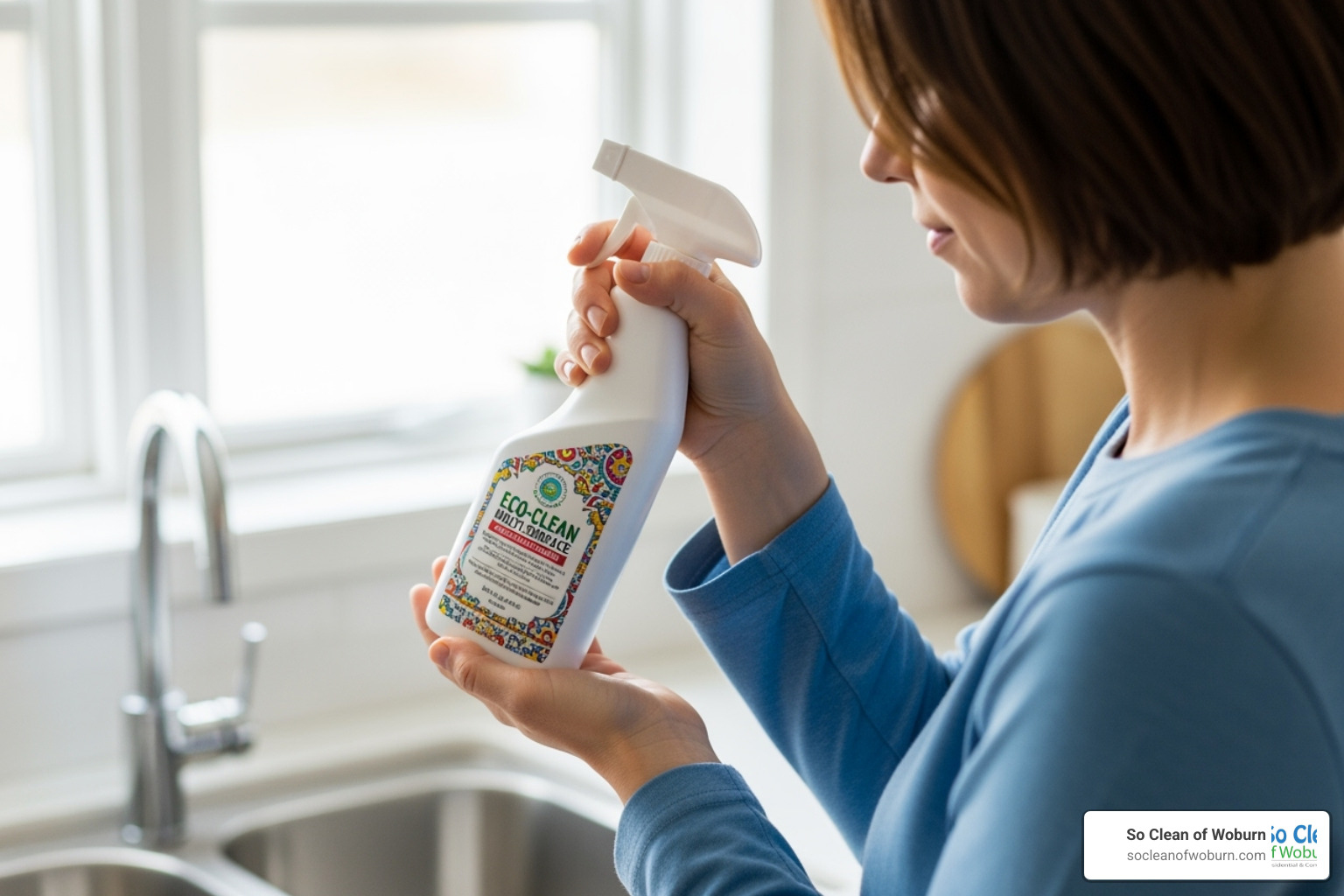
When you’re shopping for plant-based disinfectants, efficacy should be your first concern. Just because something is natural doesn’t mean it can’t pack a serious punch against germs. Look for products that clearly state they “kill 99.9% of bacteria and viruses” – this isn’t just marketing speak, it’s backed by testing. EPA-registered products have gone through rigorous testing to prove they work, and if you’re concerned about specific pathogens like COVID-19, make sure the product is approved for those uses.
Let’s talk about cost-effectiveness because we’ve all been there – sticker shock at the cleaning aisle. Yes, some plant-based options might cost more upfront, but here’s the thing: many concentrates can save you up to 80% compared to buying ready-to-use bottles repeatedly. That $20 concentrate that seems expensive? It might replace four $10 bottles of conventional cleaner, making it a smart investment for your wallet and the environment.
Understanding proper application makes all the difference in getting great results. Most plant-based disinfectants work best when you spray the surface thoroughly, let it sit for the recommended contact time (usually 1-4 minutes), then wipe clean. For stubborn grime, don’t be afraid to give it a gentle scrub or apply a second round. And here’s a pro tip we’ve learned: always test on a small, hidden area first, especially on delicate surfaces.
Reading the Label: Important Certifications
Reading labels might not be the most exciting part of shopping, but those little logos and certifications are like having a trusted friend vouch for the product. They tell you that independent organizations have put these cleaners through their paces.
The EPA Safer Choice and Design for the Environment (DfE) labels are gold stars in our book. When you see these, you know the Environmental Protection Agency has reviewed every ingredient and given it their stamp of approval for protecting both human health and the environment. It’s like having the government’s safety experts do the homework for you.
For disinfectants specifically, check if the product appears on the EPA’s list of approved disinfectants. This list includes products proven effective against serious pathogens, including the virus that causes COVID-19. You can verify this yourself by checking the EPA’s list of approved disinfectants.
Green Seal Certified products meet comprehensive environmental standards, while Leaping Bunny Certified means no animals were harmed in testing – important if cruelty-free products matter to your family. The USDA Certified Biobased label tells you the product contains renewable biological ingredients rather than petroleum-based chemicals.
Best Applications for Your Plant-Based Disinfectant Cleaner
The versatility of plant based disinfectant cleaner products never ceases to amaze us. These gentle giants work beautifully throughout your home, especially in places where safety and cleanliness go hand in hand.
Kitchen countertops and food-prep areas are perfect candidates for plant-based disinfectants. Many are formulated to be safe on surfaces that touch food without requiring a rinse afterward. This means you can quickly clean up after meal prep without worrying about chemical residues ending up in your family’s food.
Children’s toys present a unique challenge – they need to be clean but absolutely safe since little ones put everything in their mouths. Plant-based disinfectants shine here because their non-toxic formulations mean you can sanitize toys without the stress of harmful chemical exposure.
High-touch surfaces like doorknobs, light switches, phones, and remote controls are germ highways in any home. A quick spray and wipe with a botanical disinfectant effectively breaks the chain of infection without filling your air with harsh chemical fumes.
Bathrooms benefit enormously from plant-based cleaners that tackle soap scum, disinfect surfaces, and eliminate odors naturally. They’re particularly effective in areas prone to mold and mildew. For more insights on natural approaches to mold cleaning, check out our guide on Natural Mold Cleaner.
Are There Any Limitations to a Plant-Based Disinfectant Cleaner?
While we’re big fans of plant-based cleaners, we believe in being honest about their quirks and limitations. Understanding these helps you use them effectively and avoid any “oops” moments.
DIY shelf life is something many people don’t consider. Homemade solutions, especially those with hydrogen peroxide or essential oils, typically stay effective for about three months when stored properly. Unlike commercial products with preservatives, homemade versions can lose their punch over time, so smaller batches work better.
Surface compatibility requires a bit of attention, particularly with natural acids like vinegar. While vinegar on stone surfaces like marble or granite is a definite no-no (it can permanently etch the surface), it works beautifully on glass, tiles, and most other surfaces. Isopropyl alcohol should be kept away from leather and certain wood finishes.
Kill times vary depending on what germs you’re targeting. A product might eliminate COVID-19 in one minute but need four minutes for norovirus. Always check the label for specific contact times – this isn’t just fine print, it’s the key to effective disinfection.
Checking EPA registration for specific pathogens ensures you’re getting the protection you expect. A general “kills germs” claim might not cover every bacteria or virus you’re concerned about. When specific pathogens matter – like during flu season or after someone’s been sick – verify that your chosen product is registered to eliminate those particular germs.
Understanding these nuances helps you make the most of your plant based disinfectant cleaner while avoiding potential pitfalls. With the right knowledge, you can confidently create a cleaner, healthier home environment for your family.
Conclusion: Accept a Healthier, Cleaner Home Today
Making the switch to a plant based disinfectant cleaner represents a meaningful step toward protecting what matters most – your family’s health and our shared environment. Throughout our exploration, we’ve finded that these botanical powerhouses deliver impressive germ-killing results while keeping harsh chemicals out of your home.
The science speaks for itself. Whether you choose thymol-based hospital-grade disinfectants, citric acid formulas that tackle soap scum and bacteria, or simple DIY solutions with white vinegar and hydrogen peroxide, you’re getting effective cleaning without compromise. These natural alternatives kill 99.9% of bacteria and viruses while remaining safe around children, pets, and food preparation areas.
Beyond the immediate health benefits, plant-based cleaners offer something equally valuable – peace of mind. No more worrying about toxic fumes lingering in your kitchen or harsh residues on surfaces your little ones touch. You can breathe easy knowing your cleaning routine supports both your family’s wellbeing and environmental sustainability.
The cost-effectiveness and versatility of these products make the transition even easier. From ready-to-use sprays to money-saving concentrates, there’s a plant based disinfectant cleaner option that fits your lifestyle and budget.
For busy families in Massachusetts and New Hampshire who want professional results without the hassle, So Clean of Woburn brings this same commitment to safe, effective cleaning practices directly to your doorstep. We understand that a truly clean home should also be a healthy one, which is why we incorporate eco-friendly methods into our customized cleaning solutions.
Ready to experience the difference that plant-powered cleaning can make in your home? Explore our green cleaning services today and find how professional care combined with natural cleaning methods creates the healthiest, happiest home environment for you and your loved ones.