

Why Plant Based Glass Cleaner is Taking Over American Homes
A plant based glass cleaner offers a safer, eco-friendly alternative to traditional ammonia-based cleaners while delivering the same streak-free results. Here are your top options:
Best Commercial Plant-Based Glass Cleaners:
- ECOS Window Cleaner – Vinegar-based, $3-6 per bottle
- Seventh Generation Free & Clear – USDA Certified Biobased 96%, fragrance-free
- Method Glass + Surface – Plant-derived surfactants, pleasant scent
- Biokleen Glass Cleanser – All-natural vinegar blend, EWG safety rating A
DIY Plant-Based Recipe:
- 1/2 cup white vinegar + 1/2 cup rubbing alcohol + 2 tbsp cornstarch + 4 cups warm water
Gone are the days when you had to choose between a sparkling clean home and your family’s health. The global household cleaners market, valued at $25.5 billion in 2016, is rapidly shifting toward plant-powered solutions as more homeowners find they can achieve professional-quality results without harsh chemical fumes.
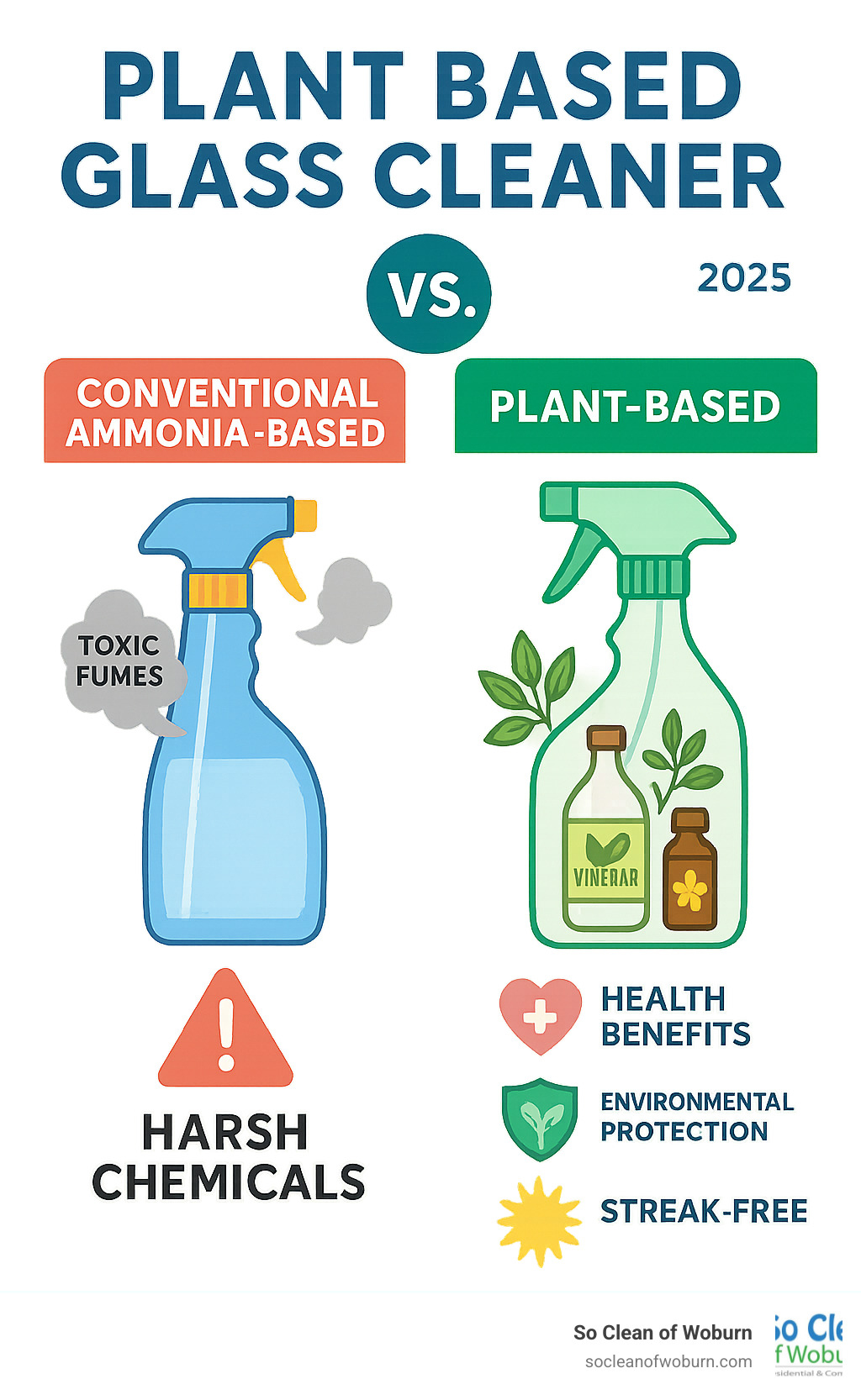
Traditional glass cleaners often contain ammonia, which can cause respiratory irritation and create toxic fumes when mixed with other products. Plant-based alternatives use ingredients like vinegar, plant-derived alcohol, and natural surfactants to cut through grime while protecting your indoor air quality.
I’m Bill McGrath, owner of So Clean of Woburn, and after years of testing various cleaning solutions in homes across the Greater Boston area, I’ve seen how effective plant based glass cleaner options can transform both cleaning results and indoor air quality. My team exclusively uses eco-friendly formulations that deliver the streak-free shine our clients expect without compromising their family’s health.
Why Choose a Plant Based Glass Cleaner? The Clear Benefits
Picture this: you’re cleaning your windows on a beautiful Saturday morning, and instead of holding your breath to avoid harsh chemical fumes, you can actually enjoy the fresh air flowing through your home. That’s the everyday reality when you make the switch to a plant based glass cleaner.
The most compelling reason to choose plant-based options is the healthier home environment they create. Traditional glass cleaners packed with ammonia don’t just clean your windows – they also fill your air with volatile organic compounds (VOCs) that can trigger headaches, respiratory irritation, and worsen asthma symptoms. We’ve all experienced that sharp, almost burning sensation when cleaning with conventional products.
Plant-based cleaners eliminate this concern entirely. They’re formulated without harsh chemicals like ammonia, which means you get improved indoor air quality without sacrificing cleaning power. This is especially important for families with children and pets, who are more sensitive to chemical exposure and spend more time close to the surfaces we clean.
At So Clean of Woburn, we’ve seen how switching to gentler products transforms the cleaning experience for our clients. Our commitment to Healthy Home Cleaning means prioritizing your family’s wellbeing alongside spotless results.
But the benefits extend far beyond your front door. When you choose a plant based glass cleaner, you’re also making a powerful statement for environmental protection. Unlike conventional cleaners that contain persistent chemicals, plant-based formulas use biodegradable ingredients that break down naturally after going down the drain.
This means they won’t accumulate in waterways or harm aquatic life. Many eco-friendly brands are also embracing sustainable packaging – think recycled plastic bottles, refill systems, and concentrated formulas that require less transportation. These small changes in your cleaning routine add up to a significantly reduced carbon footprint.
The beauty of plant-based cleaners is that you don’t have to compromise on results to make the healthier, more sustainable choice. Modern formulations deliver the same streak-free shine you expect, just without the environmental guilt or health concerns that come with traditional options.
Decoding the Label: What’s Inside an Effective Plant-Powered Cleaner?
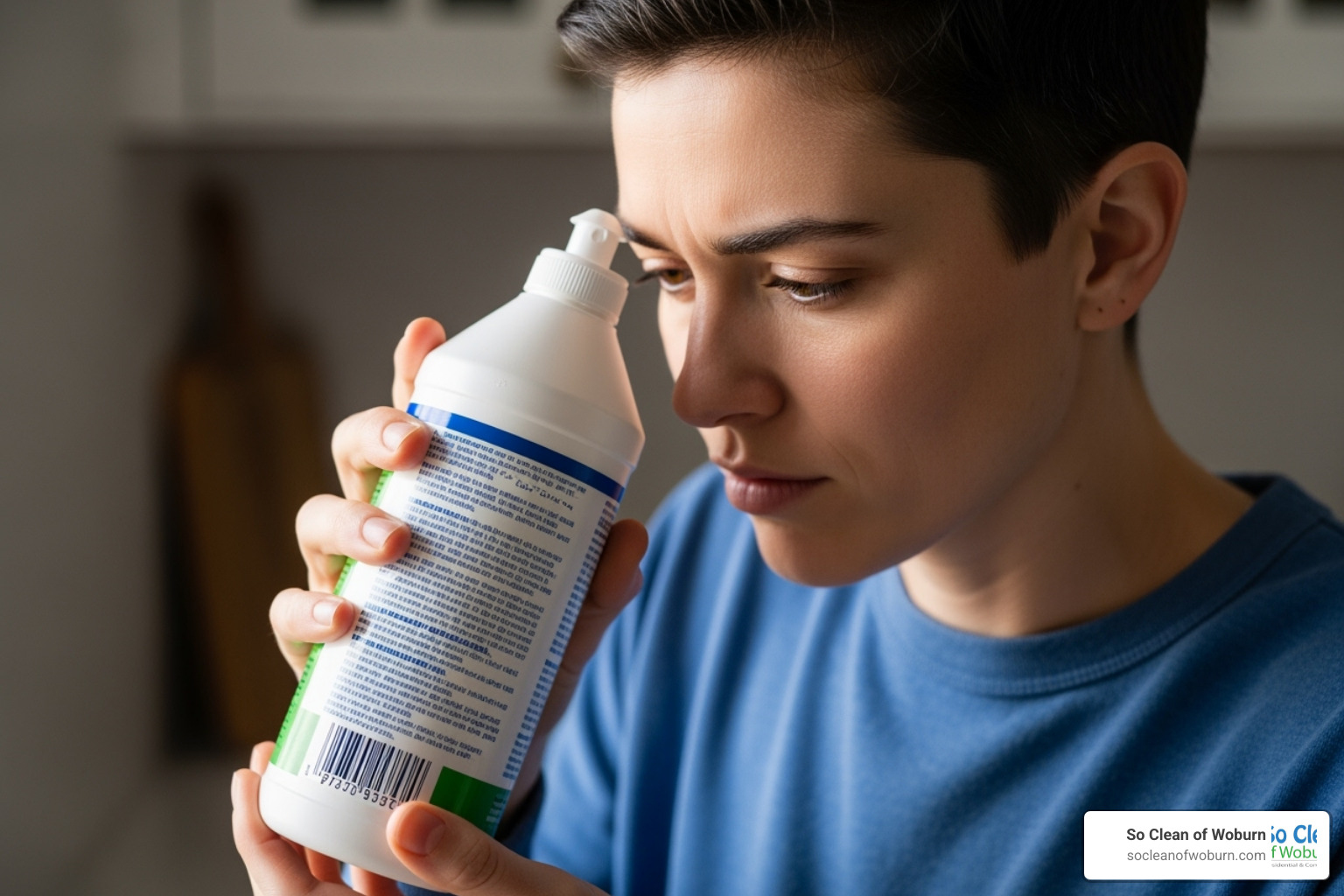
Reading a cleaning product label shouldn’t feel like deciphering ancient hieroglyphics, but sometimes it does! When you’re shopping for a plant based glass cleaner, understanding what’s actually in that bottle makes all the difference between bringing home a truly effective, safe product and falling for clever marketing.
The magic behind any effective plant based glass cleaner lies in its carefully selected natural ingredients. These cleaners harness the power of plant-derived surfactants – think of them as nature’s little helpers that reduce surface tension, allowing the cleaner to spread easily and lift away dirt and grime. Unlike their petroleum-based cousins, these surfactants come from renewable plant sources and break down naturally after doing their job.
Key Ingredients for a Streak-Free Shine
The secret to achieving that perfect, streak-free shine with a plant based glass cleaner comes down to a few star players that have been cleaning effectively for generations.
Vinegar (acetic acid) is the undisputed champion of natural cleaning. This humble kitchen staple cuts through grease, dissolves hard water spots, and even tackles germs with impressive effectiveness. The acidity in vinegar is what makes it so powerful – it literally dissolves mineral deposits and soap scum that can cloud your glass. While some people worry about the smell, it dissipates quickly and is far preferable to harsh chemical fumes. There’s extensive scientific research on vinegar’s cleaning power that confirms what our grandmothers knew all along.
Plant-based alcohol (ethanol) works as your streak-prevention partner. It’s an excellent degreaser that evaporates quickly, leaving no residue behind. This rapid evaporation is crucial for preventing those annoying streaks that can plague glass cleaning. Plus, ethanol provides natural antimicrobial benefits, giving you extra peace of mind about cleanliness.
For DIY enthusiasts, cornstarch might sound surprising, but it’s actually a secret weapon against streaks. This common pantry ingredient helps prevent water from bonding with tiny imperfections in glass surfaces – those microscopic pits that often cause streaking in the first place.
Modern formulations often include sophisticated plant-derived solvents and specialized surfactants that improve cleaning power while maintaining their natural credentials. These ingredients work together to emulsify dirt and grease, ensuring everything slides off your glass surfaces cleanly.
Certifications That Matter
When you’re standing in the cleaning aisle trying to choose between products, certifications act as your trusted guides. They’re like having an expert friend who’s already done the research for you.
USDA Certified Biobased tells you that the product is made primarily from renewable plant materials rather than petroleum. When you see a high percentage like “96% biobased,” you know you’re getting a genuinely plant-powered product.
The Leaping Bunny certification ensures no animals were harmed in testing the product or its ingredients – something that matters to many families choosing natural products. EPA Safer Choice means the product has undergone rigorous testing to ensure it’s safer for both human health and the environment.
EWG VERIFIED products have been evaluated by the Environmental Working Group for ingredient transparency and safety. An “A” rating indicates very low health and environmental concerns. Meanwhile, ECOLOGO certification confirms the product meets strict environmental performance standards throughout its entire lifecycle.
These certifications help you cut through marketing claims and find products that truly deliver on their promises. For more guidance on selecting safe cleaning products, check out our insights on Non-Toxic Cleaning Products.
Ingredients to Avoid
Knowing what to avoid is just as important as knowing what to look for. Even products marketed as “natural” can contain ingredients that don’t align with your health and environmental goals.
Ammonia tops the avoid list. While effective, it creates harsh fumes that can irritate your respiratory system and becomes dangerous when accidentally mixed with other cleaners. Phthalates are endocrine disruptors often hiding in synthetic fragrances, while artificial fragrances and dyes can trigger allergies and contain hundreds of undisclosed chemicals.
Some preservatives like methylisothiazolinone can cause skin sensitivities, especially for people with allergies or sensitive skin. The good news? Many excellent plant based glass cleaner options avoid all these ingredients while still delivering outstanding results.
By understanding these label basics, you can confidently choose products that clean effectively while supporting your family’s health and environmental values. For a deeper understanding of potentially harmful cleaning agents, explore our page on Cleaning Chemicals.
The Ultimate Comparison: Commercial vs. DIY Plant Based Glass Cleaner
When you’re standing in the cleaning aisle or staring at your kitchen pantry, wondering how to get those windows sparkling, you’re facing a choice that many homeowners grapple with: should you grab a ready-made plant based glass cleaner or roll up your sleeves and make your own? Both paths can lead to beautifully clean glass, but they each have their own personality.
| Feature | Commercial Plant-Based Glass Cleaner | DIY Plant-Based Glass Cleaner |
|---|---|---|
| Cost | $3 – $12 per bottle (average around $6-$7) | Initial bottle cost ~$1.50 (including spray bottle), refills ~$0.50 |
| Convenience | Ready to use, consistent formulation, widely available | Requires sourcing ingredients, mixing, and proper storage |
| Effectiveness | Professionally formulated for streak-free results, often with specialized surfactants and polymers for improved cleaning and shine | Can be highly effective, especially with the right ingredients like cornstarch for streak prevention; effectiveness can vary based on recipe and water hardness |
| Customization | Limited to available scents/formulas from brands | Highly customizable (scent, strength, specific ingredients); perfect for those with sensitivities or specific preferences |
| Shelf Life | Generally long (1-2 years or more) | Shorter (weeks to a few months), especially if water is used, as it can encourage bacterial growth; cornstarch can settle or clog nozzles |
| Ingredients | Transparently listed (if certified), often includes specialized plant-derived compounds | You control every ingredient, but may lack specialized agents for specific cleaning challenges or advanced streak-prevention |
Think of it this way: commercial cleaners are like having a professional chef prepare your meal, while DIY is like cooking from scratch in your own kitchen. Both can be delicious, but they require different levels of time, skill, and commitment.
The Power of a Professional Plant Based Glass Cleaner
There’s something wonderfully satisfying about grabbing a bottle off the shelf, knowing it’s going to work perfectly every single time. Commercial plant based glass cleaner products are the result of serious science – teams of chemists have spent countless hours perfecting formulas that deliver consistent, streak-free results regardless of whether you’re dealing with fingerprints, water spots, or that mysterious film that somehow appears on glass overnight.
This formulation expertise really shines when you consider the specialized ingredients these products contain. Many commercial cleaners include advanced plant-derived surfactants and clever polymers that don’t just clean your glass – they actually help it resist future dirt and streaking. It’s like giving your windows a protective shield that keeps them cleaner longer.
The convenience factor can’t be overstated, especially for busy families. There’s no measuring, no mixing, no wondering if you got the proportions right. Just spray and wipe, and you’re done. Plus, these products have impressive shelf lives – typically lasting one to two years – so you can stock up without worrying about your cleaner going bad.
From a cost perspective, quality commercial plant based glass cleaners typically range from $3 to $12 per bottle, with most excellent options falling around $6-$7. When you consider the time saved and the consistent results, many homeowners find this a worthwhile investment for their cleaning routine.
Your Own Kitchen Concoction: A Simple DIY Recipe
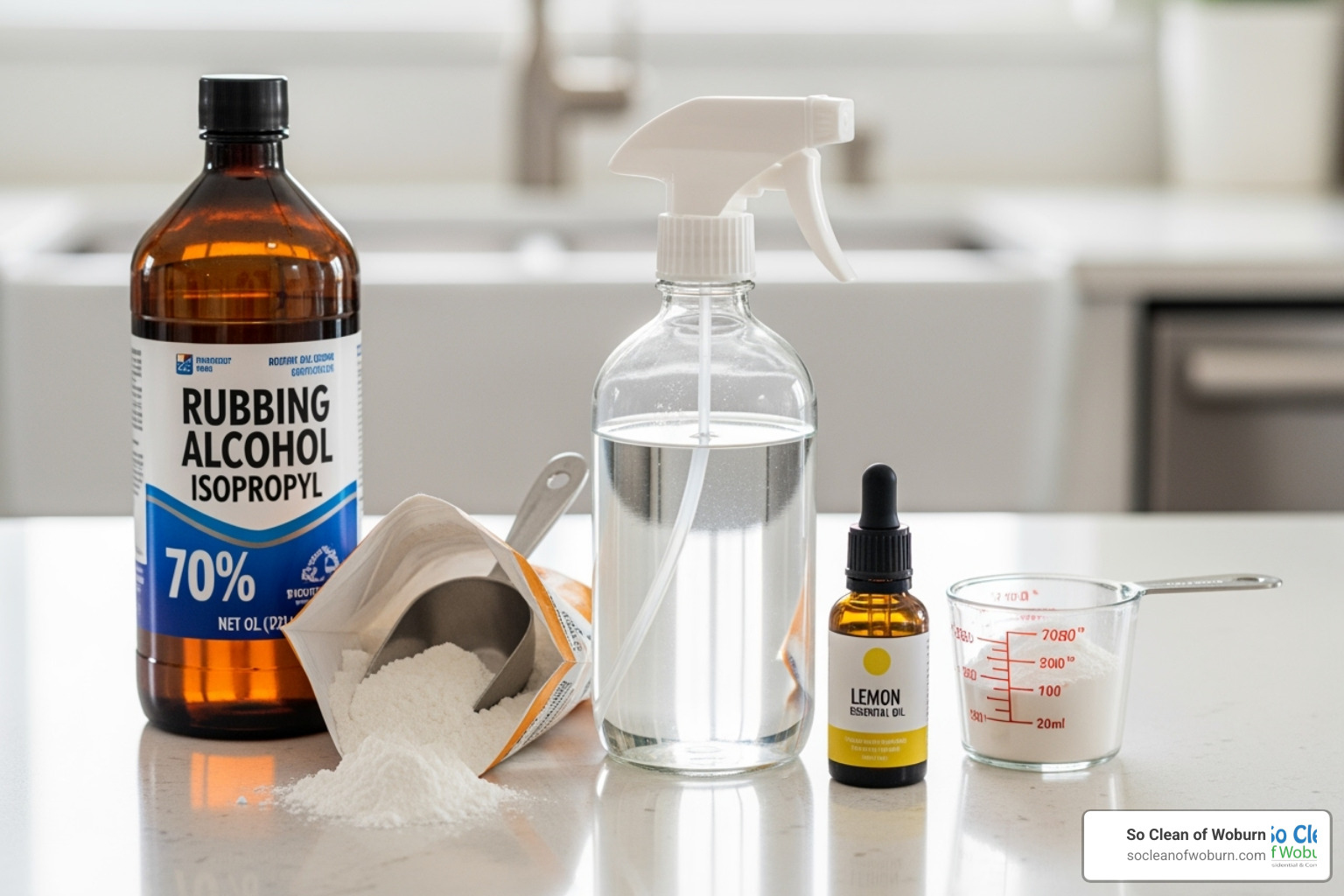
For those who love the satisfaction of creating something with their own hands, making DIY plant based glass cleaner can be incredibly rewarding. There’s a special pride that comes from looking at sparkling clean windows and knowing you mixed that cleaner yourself from simple, natural ingredients.
The cost-effectiveness of DIY cleaning is truly impressive. While a commercial bottle might cost $6-$7, you can make an entire bottle of homemade cleaner for around $1.50, including the spray bottle itself. Refills? Even cheaper at about 50 cents each. Over time, these savings really add up, especially for households that do a lot of window cleaning.
Here’s a tried-and-true recipe that many homeowners swear by:
Simple DIY Streak-Free Glass Cleaner:
- 1 cup hot water
- 1 cup rubbing alcohol
- 4 tbsp cornstarch
- 40 drops lemon essential oil (optional)
- 20 drops orange essential oil (optional)
Mix everything in a measuring cup, whisk until the cornstarch dissolves completely, then pour into a clean spray bottle using a funnel. The cornstarch is the secret weapon here – it prevents water from bonding with tiny imperfections in the glass that cause those annoying streaks.
The customization possibilities with DIY are endless. Sensitive to certain scents? Leave out the essential oils. Want a stronger cleaning action? Adjust the alcohol ratio. Prefer a lemony fresh scent over orange? You’re the boss of your own formula.
However, DIY does come with some challenges. The shorter shelf life means you’ll be mixing new batches every few weeks to months. The cornstarch can settle and occasionally clog spray nozzles, requiring a good shake before each use. And let’s be honest – sometimes getting that perfect streak-free balance takes a bit of trial and error, especially if you have particularly hard water.
For those interested in expanding their DIY cleaning trips beyond glass, our page on All-Purpose Cleaners offers additional insights and recipes to explore.
Achieving a Perfect, Streak-Free Finish Every Time

Whether you choose a commercial plant based glass cleaner or a DIY recipe, the application technique is just as crucial as the product itself for achieving that coveted streak-free, crystal-clear finish. We’ve all been there – scrubbing away, only to step back and see an array of streaks and smudges staring back at us. But with the right approach, you can achieve professional results every time.
Best Practices for Using Your Plant Based Glass Cleaner
- Microfiber Cloths are Your Best Friend: Ditch the paper towels (which can leave lint) and old newspapers (modern inks can smudge). Microfiber cloths are designed to trap dirt and moisture efficiently, leaving surfaces gleaming without streaks. Always use a clean, dry microfiber cloth. Some pros even recommend having two: one for applying and a second dry one for buffing.
- The Squeegee Advantage: For large windows, a squeegee is a game-changer. Professional window cleaners often use squeegees for a reason – they provide a consistent, clean swipe. Dampen your squeegee with a little cleaner beforehand to prevent skipping.
- Top-to-Bottom Method: Always clean glass surfaces from top to bottom. This prevents drips from running down onto already cleaned areas and creating new streaks.
- Avoid Direct Sunlight: Cleaning windows on a bright, sunny day might seem ideal, but it’s actually counterproductive. The sun can dry the cleaner too quickly, leading to streaks before you’ve had a chance to wipe them away. Opt for a cloudy day or a shaded side of the house for best results.
- Light Misting is Key: More cleaner does not equal cleaner glass. A light mist is usually all you need. Over-saturating the surface can lead to excess product that’s harder to wipe away completely, increasing the chances of streaks.
- Pre-dusting Surfaces: Before applying any liquid cleaner, quickly dust or wipe down the glass surface with a dry cloth to remove loose dirt, dust, and cobwebs. This prevents these particles from turning into muddy streaks when wet. If cleaning windows, consider whisking the frames with a soft-bristled brush first.
Beyond Windows: Other Surfaces to Clean
The versatility of a good plant based glass cleaner extends far beyond just windows. Its gentle yet effective formula makes it suitable for a variety of surfaces around your home, ensuring a consistent sparkle.
- Mirrors: Say goodbye to toothpaste splatters and fingerprints on your bathroom mirrors. A plant based glass cleaner works wonders, leaving a clear, reflective surface.
- Glass Tables: Dining tables, coffee tables, and end tables with glass tops are magnets for smudges and spills. A quick spray and wipe will restore their shine.
- Shower Doors: Hard water spots and soap scum can quickly build up on shower doors. While heavy build-up might require a more targeted cleaner, a regular application of glass cleaner can help maintain clarity.
- Car Windows: The interior and exterior of your car windows benefit greatly from a streak-free clean. Since plant based glass cleaner is typically ammonia-free, it’s safer for tinted windows than conventional cleaners.
- Chrome Fixtures: Many plant-based glass cleaners also work well on shiny chrome fixtures in bathrooms and kitchens, leaving them sparkling without harsh abrasives.
- Other Glass Surfaces: Think glass cabinet doors, glass light fixtures, and even glass picture frames. If it’s glass, chances are your plant based glass cleaner can handle it.
Our philosophy at So Clean of Woburn is about comprehensive, eco-friendly cleaning. For more ideas on how to keep your entire home sparkling with sustainable solutions, explore our guide to Eco-Friendly Cleaning Products.
Frequently Asked Questions about Plant Based Glass Cleaner
Making the switch to greener cleaning solutions often brings up questions, and we completely understand! After years of helping families throughout the Greater Boston area transition to healthier cleaning methods, we’ve heard just about every concern imaginable. Here are the most common questions we encounter about plant based glass cleaner, along with honest answers from our experience in the field.
Are plant-based glass cleaners as effective as ammonia-based ones?
This is hands down the most frequent question we get, and I’m happy to report that yes, they absolutely are! For typical household grime like fingerprints, smudges, dust, and everyday dirt, plant-based cleaners deliver the same sparkling results without filling your home with harsh chemical fumes.
The secret lies in how these cleaners work. Instead of relying on ammonia’s aggressive approach, modern plant based glass cleaner formulations use clever plant-derived chemistry. Ingredients like acetic acid from vinegar and plant-based alcohols break down grease and grime through different pathways that are just as effective. These natural solvents and surfactants are specifically designed to cut through common window mess while evaporating cleanly without leaving streaks or residue behind.
Our cleaning teams have been using these alternatives for years across homes in Woburn and the surrounding areas, and we consistently achieve that crystal-clear finish our clients expect. The proof is in the results – and the fact that we can clean without everyone in the house having to evacuate due to overwhelming fumes!
Can I use a plant based glass cleaner on tinted car windows?
Here’s some great news for car owners – plant based glass cleaner is actually often the better choice for tinted windows! Traditional ammonia-based cleaners can be real troublemakers for window tint, potentially causing it to bubble, peel, or fade over time. Since most plant-based options are ammonia-free, they’re much gentler on these delicate surfaces.
That said, we always recommend a little caution before diving in. Take a moment to read the product label for any specific guidance about tinted surfaces. Even more importantly, do a quick test run on a small, hidden corner of your tint – maybe down in a bottom corner where you won’t notice if something goes wrong. This simple step takes just a minute but can save you from finding an issue across your entire windshield!
Most of our clients who’ve made the switch find that their car windows stay cleaner longer with plant-based formulas, which is an added bonus for those weekly car cleaning sessions.
Do all plant based glass cleaner products smell like vinegar?
Not at all! While vinegar is indeed a powerhouse ingredient in many effective plant-based cleaners, you definitely don’t have to live with that sharp, pickled scent if it’s not your thing.
Many brands have gotten creative with natural fragrances, incorporating essential oils like citrus, lavender, or fresh lemon that provide pleasant, clean scents while masking any underlying vinegar notes. The beauty of these natural fragrances is that they fade quickly, leaving just clean glass behind – no lingering artificial perfume smell.
For those who prefer no scent at all (which is especially helpful if you have sensitivities or allergies), there are plenty of fragrance-free versions available. These deliver all the cleaning power without any added aromatics whatsoever.
Even when vinegar is the star ingredient, its smell typically disappears within minutes as the cleaner dries. We’ve found that most people who initially worry about the scent are pleasantly surprised by how quickly it fades, leaving just beautifully clear glass and fresher indoor air.
Conclusion
Making the switch to plant based glass cleaner represents more than just swapping one bottle for another—it’s a meaningful step toward creating a healthier home environment while protecting our planet. Throughout this journey, we’ve found how these innovative cleaners deliver impressive results without compromising your family’s well-being or the environment.
The benefits are crystal clear: improved indoor air quality free from harsh ammonia fumes, improved safety for children and pets who spend their days in your home, and environmental protection through biodegradable ingredients that won’t harm our waterways. We’ve learned to decode product labels, recognizing the power of natural ingredients like vinegar and plant-derived surfactants, while identifying trustworthy certifications like USDA Certified Biobased and EPA Safer Choice that guarantee genuine eco-friendly credentials.
Whether you choose the convenience and professional formulation of commercial options like ECOS Window Cleaner or Seventh Generation Free & Clear, or accept the cost-effectiveness and customization of a homemade vinegar-and-alcohol blend, achieving that coveted streak-free shine is absolutely within reach. The key lies in proper technique—using microfiber cloths, cleaning from top to bottom, and avoiding direct sunlight during application.
Your plant based glass cleaner isn’t limited to just windows either. From bathroom mirrors to glass dining tables, from shower doors to car windows, these versatile cleaners handle it all while maintaining their gentle, effective approach.
For busy homeowners throughout the Greater Boston area—including Woburn, Lexington, Arlington, Cambridge, and surrounding Middlesex County communities—who want guaranteed professional results without the time investment, our team at So Clean of Woburn brings this same eco-friendly philosophy to your doorstep. We understand that achieving a truly clean, healthy home shouldn’t consume your precious free time.
Ready to make the switch to Green Cleaning Products that align with your values? Whether you decide to tackle the job yourself or prefer the convenience of our expert team, you’re taking a positive step toward a healthier home and a cleaner planet. Explore our comprehensive professional green cleaning services near you and find how easy it can be to maintain sparkling windows and a healthier living environment for your family.