Why Plant-Based Bathroom Cleaners Are Taking Over Massachusetts Homes
Plant based bathroom cleaner options are revolutionizing how busy professionals maintain their bathrooms without harsh chemicals. These natural alternatives use ingredients like citric acid, plant-derived surfactants, and essential oils to tackle soap scum, limescale, and grime just as effectively as traditional cleaners.
Top Plant-Based Bathroom Cleaners at a Glance:
- For Hard Water Stains: Cleaners with citric acid or lactic acid (like ATTITUDE Citrus Zest)
- For Soap Scum: Surfactant-based formulas with decyl glucoside (like Better Life Tub & Tile)
- For Daily Maintenance: Tea tree oil-based sprays (like ECOS Bathroom Cleaner)
- For Sensitive Users: Fragrance-free options with simple ingredients
- Price Range: Average ~$12 per bottle; wide range $5–$24; high-end options around $24 (2x the average). Concentrated refills often offer better value
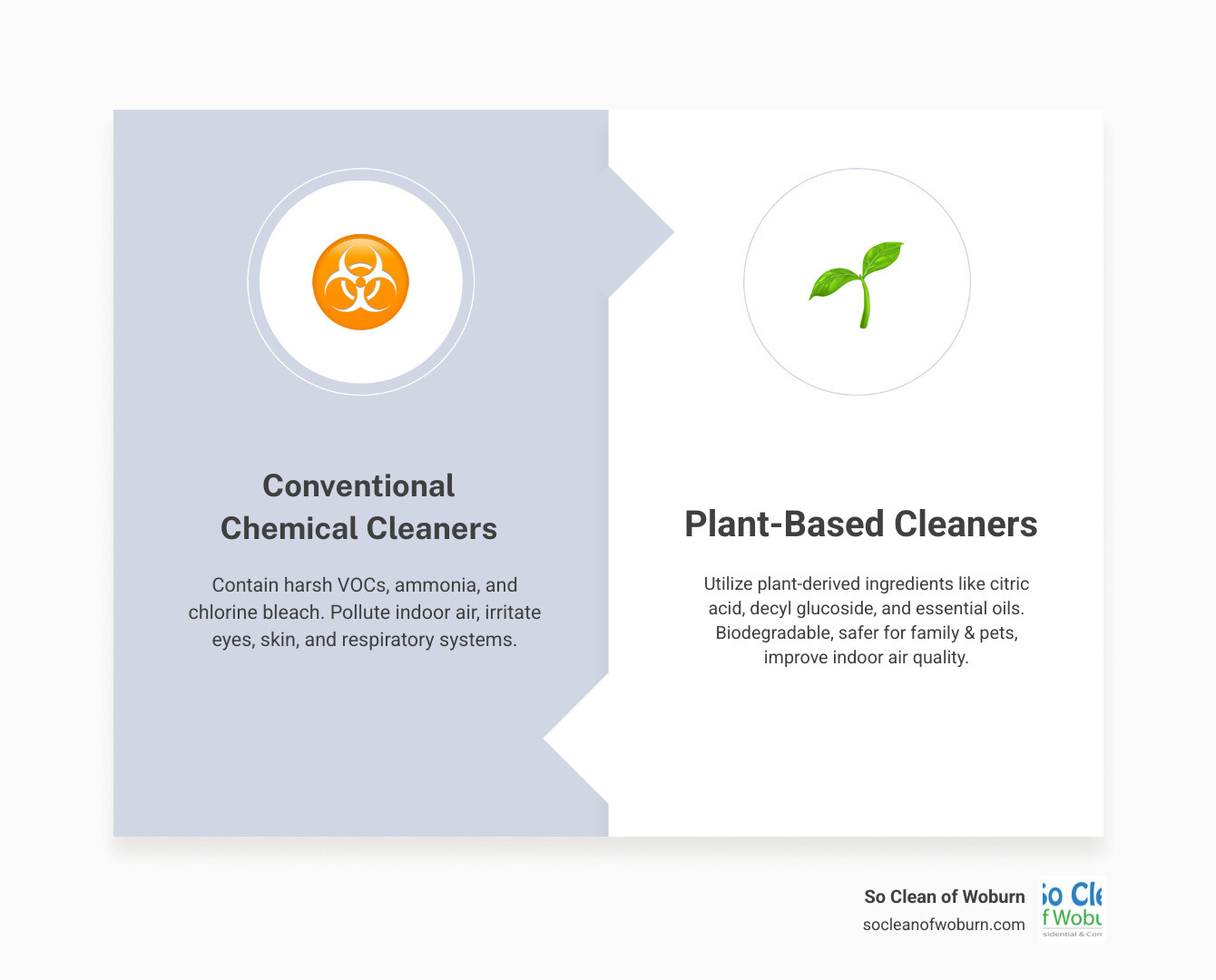
The shift toward plant-powered cleaning isn’t just a trend—it’s driven by real concerns about indoor air quality and family safety. Traditional bathroom cleaners can release volatile organic compounds (VOCs) that irritate eyes, skin, and respiratory systems. Meanwhile, plant-based alternatives deliver the same sparkling results using renewable ingredients that break down naturally.
As one cleaning expert noted: “Natural cleaners are just as effective, if not more so, than conventional products” when you choose the right formula for your specific cleaning challenge.
The global market for green cleaning products is projected to reach $11.6 billion by 2029, growing at 8.1% annually. This growth reflects what Massachusetts and New Hampshire homeowners already know—you don’t have to choose between a clean bathroom and a healthy home.
Why Make the Switch? The Powerful Benefits of Plant-Based Cleaners
Picture this: you walk into your freshly cleaned bathroom and take a deep breath without worrying about harsh chemical fumes. That’s the reality when you switch to a plant based bathroom cleaner. As a local cleaning company serving Massachusetts and New Hampshire families, we’ve witnessed how this simple change can transform not just your bathroom, but your entire home’s atmosphere.
The numbers tell an impressive story. The global market for green cleaning products is racing toward $11.6 billion by 2029, growing at 8.1% annually. But this isn’t just about jumping on a trend—it’s about real families making healthier choices for their homes.
Health Benefits of a Plant Based Bathroom Cleaner
Here’s something that might surprise you: your bathroom cleaner could be making your indoor air less healthy than the air outside. Traditional cleaners often contain bleach, ammonia, and other harsh chemicals that release volatile organic compounds (VOCs) into your home. The American Lung Association warns that conventional cleaners can pollute your indoor air, leading to headaches, respiratory irritation, and skin sensitivity.
Plant based bathroom cleaners work differently. They skip the harsh chemicals entirely, using non-toxic formulas that won’t trigger allergies or leave your family gasping for fresh air. This is especially important for children and pets, who are more sensitive to chemical exposure.
Think about it—why should getting a clean bathroom mean compromising your family’s ability to breathe easily? With plant-based options, you get the sparkle without the side effects. We’re passionate about healthier home cleaning products because we believe your home should support your family’s wellness, not work against it.
Better for the Planet
Every time you rinse your bathroom cleaner down the drain, it doesn’t just disappear. Traditional cleaners can contribute to water pollution, affecting the rivers and streams that eventually reach our Massachusetts and New Hampshire coastline.
Plant based bathroom cleaners tell a different story. Their biodegradable ingredients break down naturally without harming aquatic ecosystems. Many use clever plant-derived surfactants from renewable sources like corn and coconut—ingredients that clean effectively while being gentle on the environment.
These aren’t just feel-good buzzwords. When you choose products with citric acid, decyl glucoside, or other plant-based ingredients, you’re supporting a reduced carbon footprint and phosphate-free formulations that protect our waterways.
It’s one of those wonderful situations where doing good for your family also does good for the planet. For more insights on how we champion these practices, explore our eco-friendly cleaning products and find more info about Healthy Home Cleaning approaches that work for Massachusetts and New Hampshire homes.
Decoding the Label: What to Look for in an Effective Plant Based Bathroom Cleaner
Walking down the cleaning aisle can feel overwhelming these days. Every bottle seems to scream “natural” or “eco-friendly,” but how do you know which plant based bathroom cleaner will actually get your bathroom sparkling? At So Clean of Woburn, we’ve learned that the secret lies in understanding what’s really inside that bottle—and what those certifications actually mean.
The truth is, not all “green” cleaners are created equal. Some brands use clever marketing to make conventional cleaners appear eco-friendly (this is called greenwashing). But with a little label-reading know-how, you can spot the real deal every time.
Key Ingredients in a Plant Based Bathroom Cleaner
The magic of an effective plant based bathroom cleaner starts with its ingredients. When you flip that bottle around, you want to see names you can actually pronounce—and understand.
Plant-based surfactants are the real workhorses here. These ingredients help water mix with oils and grime, lifting dirt right off your surfaces. Look for decyl glucoside, coco-glucoside, caprylyl glucoside, and myristyl glucoside. These tongue-twisters come from renewable sources like corn and coconut, and they break down naturally in the environment.
For those stubborn hard water stains that plague so many Massachusetts and New Hampshire homes, natural acids are your best friend. Citric acid (yes, the same stuff in lemons) and lactic acid work wonders on limescale and soap scum without the harsh fumes of traditional cleaners. They’re gentle enough that you won’t need to hold your breath while cleaning.
Essential oils do double duty in plant-based cleaners. Tea tree oil, eucalyptus, and thyme oil don’t just make your bathroom smell fresh—they actually fight mold and mildew naturally. However, if someone in your home is sensitive to scents, even natural fragrances can be irritating. Many brands offer fragrance-free options that work just as well.
Plant-derived alcohol rounds out the ingredient list, providing streak-free cleaning power and natural antibacterial action. It’s particularly great for mirrors and chrome fixtures.
Certifications That Matter
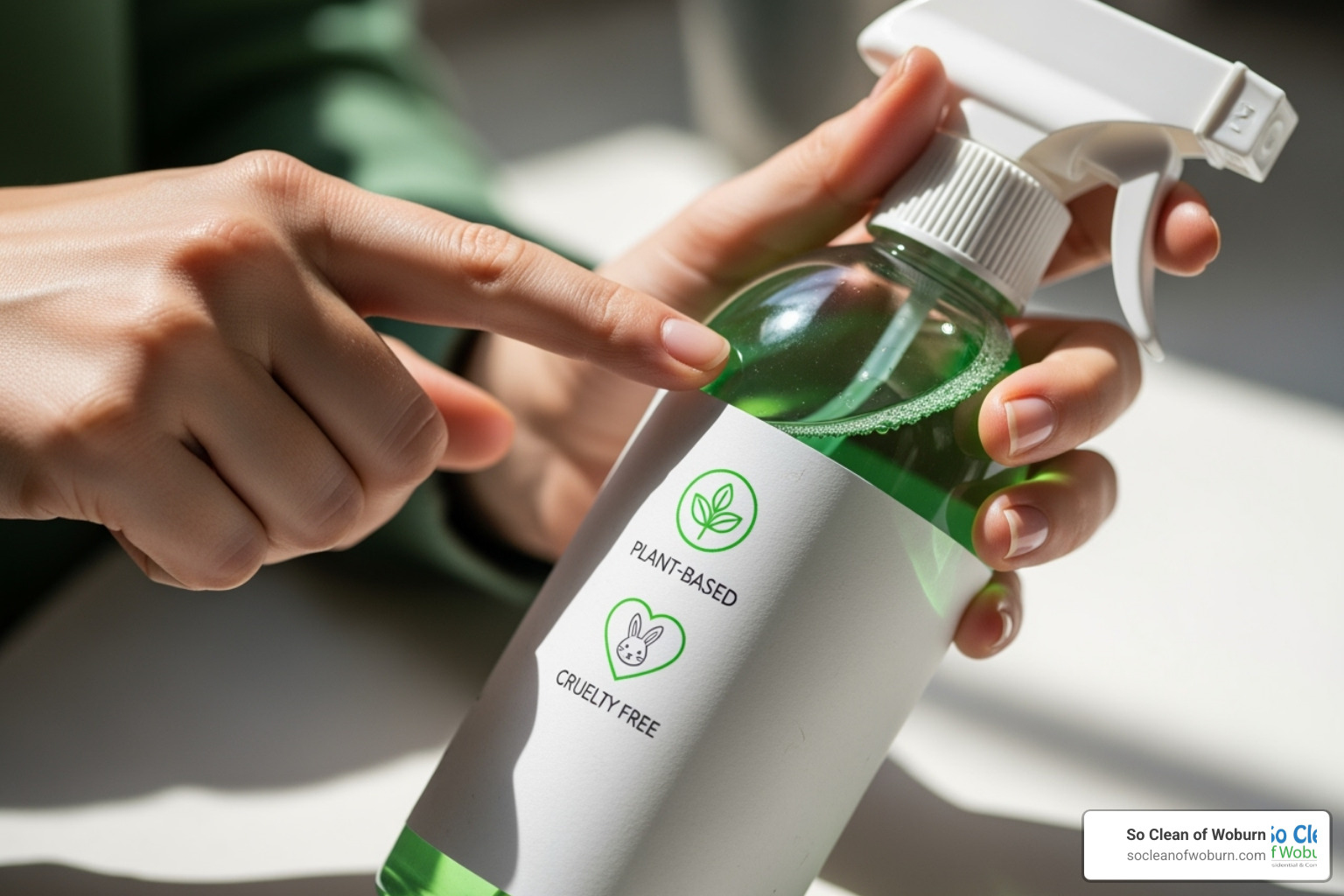
Here’s where things get interesting. Anyone can slap “natural” on a label, but third-party certifications mean a product has actually been tested and verified by independent experts.
EWG VERIFIED™ is the gold standard we look for. The Environmental Working Group has strict criteria for health, transparency, and environmental impact. When you see this seal, you know the product avoids chemicals of concern and meets rigorous safety standards.
Leaping Bunny certification tells you no animals were harmed in testing the product. It’s a comprehensive cruelty-free standard that covers the entire supply chain, not just the final product.
The EPA Safer Choice label means the Environmental Protection Agency has reviewed the ingredients and confirmed they’re safer for both human health and the environment. It’s like having the government vouch for your cleaner’s safety.
Vegan certified products contain no animal-derived ingredients whatsoever, while USDA Certified Biobased Product certification indicates the cleaner is made significantly from renewable agricultural materials rather than petroleum-based chemicals.
Sustainable Packaging Choices
A truly eco-friendly cleaner doesn’t stop at what’s inside the bottle. The packaging matters too, and innovative companies are finding creative ways to reduce waste.
Refillable bottles are becoming increasingly popular, and for good reason. Instead of throwing away the whole bottle, you can buy concentrated refills that make multiple batches of cleaner. It’s better for the planet and often easier on your wallet.
Look for bottles made from recycled materials, especially HDPE #2 plastic, which can be recycled again and again. Some brands are even experimenting with concentrated refills that come in tiny containers—one small vial can make several full-sized bottles of cleaner.
The most forward-thinking companies are working to reduce plastic waste altogether. Some are exploring reusable steel containers or other innovative materials that keep plastic out of landfills and oceans.
When you’re shopping for your next bathroom cleaner, the best choice is one that works effectively while supporting your family’s health and our shared environment. A little label-reading goes a long way toward making sure you get exactly what you’re looking for.
The Science of Sparkle: How Plant-Based Ingredients Conquer Bathroom Grime
You might wonder, “Can a plant based bathroom cleaner really stand up to tough bathroom grime?” The answer is a resounding yes! The effectiveness of these cleaners isn’t magic—it’s pure science, harnessed from nature’s own cleaning powerhouse. We’ve watched them tackle everything from stubborn soap scum to unsightly limescale with impressive results in homes across Massachusetts and New Hampshire.

The secret lies in understanding how different types of bathroom grime form and choosing the right natural ingredients to combat each one. Think of it like having the right tool for every job—except these tools are gentle, renewable, and safe for your family.
Tackling Soap Scum and Grime
Soap scum might be one of the most frustrating bathroom challenges, but plant-based surfactants are perfectly designed to handle it. This greasy film forms when soap mixes with minerals in hard water and body oils, creating a stubborn coating on your shower doors and tub.
Here’s where the science gets fascinating. Surfactants are like tiny molecular bridges with two ends—one that loves water and one that loves oil. When you spray a plant based bathroom cleaner with ingredients like decyl glucoside or coco-glucoside, these molecules grab onto the greasy soap scum with one end while the other end connects to water. This breaks down the oils and lifts the residue right off your surfaces.
The beauty of plant-derived surfactants is that they’re just as effective as synthetic ones but completely biodegradable. They work wonderfully on tubs, shower tiles, and glass doors without requiring aggressive scrubbing. For homes that need comprehensive cleaning solutions, our all-purpose cleaners use similar plant-based technology throughout the house.
Dissolving Limescale with a Plant Based Bathroom Cleaner
If you’ve ever noticed those chalky white deposits on your faucets or shower doors, you’re dealing with limescale—a common challenge in Massachusetts and New Hampshire homes with hard water. This is where natural acids become your best friend.
Citric acid from citrus fruits and lactic acid are incredibly effective at breaking down these mineral deposits. When these natural acids come into contact with limescale (which is made of calcium and magnesium carbonates), they create a gentle chemical reaction that dissolves the buildup into a form that rinses away easily.
You might even see a slight fizzing action when the acid starts working—that’s the science happening right before your eyes! The mineral deposits that seemed permanently stuck to your surfaces simply dissolve away, leaving chrome fixtures sparkling and glass doors crystal clear.
Fighting Mold and Mildew
Bathrooms create the perfect storm for mold and mildew—warm, humid conditions that these unwelcome guests love. Fortunately, nature provides some powerful antimicrobial weapons in the form of essential oils.
Tea tree oil, thyme oil, and other antimicrobial essential oils don’t just smell fresh—they actively fight against mold and mildew growth. Some research even suggests that tea tree oil can be more effective against certain microbes than traditional chemical disinfectants.
For tougher mold stains, hydrogen peroxide serves as a safe alternative to harsh bleach. It kills mold while lightening stains, all without the toxic fumes or respiratory irritation that comes with conventional cleaners. The key is preventing regrowth through consistent cleaning and good ventilation.
The antimicrobial properties of these natural ingredients work continuously, helping to create an environment where mold and mildew struggle to establish themselves. It’s like having a gentle, ongoing defense system that keeps your bathroom fresh and healthy without compromising your family’s well-being.
Top Features to Look For in a Plant-Based Bathroom Cleaner
When choosing the right plant based bathroom cleaner for your home in Massachusetts or New Hampshire, it’s not just about what’s in the bottle, but how it performs for your specific needs. Different cleaners excel at different tasks, and finding the perfect match can make your cleaning routine a breeze. From sparkling tiles to gleaming chrome, we aim for perfection in every corner.
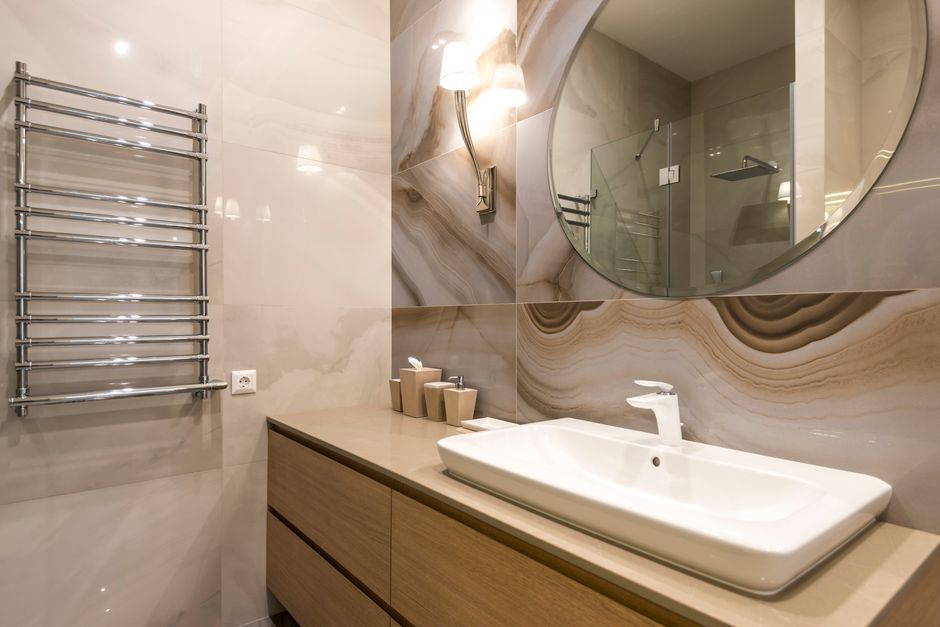
The key is understanding what challenges your bathroom faces most. Do you battle hard water stains on your shower doors? Is soap scum your nemesis? Or perhaps you need something gentle enough for sensitive family members. Let’s explore what makes each type of cleaner special.
The Best Plant Based Bathroom Cleaner for Hard Water in Massachusetts & New Hampshire
If you’ve ever noticed those stubborn white or rusty marks on your faucets and shower doors, you’re dealing with hard water buildup. It’s incredibly common in our area, and regular cleaners just won’t cut it. You need something with acid-based formulas that can actually dissolve those mineral deposits.
Citric acid is your best friend here. This natural powerhouse, often derived from citrus fruits, works by breaking down the calcium and magnesium that create those unsightly stains. When you spray it on, it literally dissolves the minerals so you can wipe them away effortlessly. The ATTITUDE Nature+ Bathroom Cleaner harnesses this power with its crisp citrus zest formula.
Some cleaners also use vinegar-based (acetic acid) formulations, which work similarly well. However, be careful if you have natural stone surfaces like marble or granite—acids can damage these materials. Always test in a small area first.
The beauty of these acid-based formulas is that they don’t just remove existing stains—they help prevent mineral buildup when used regularly. They’re perfectly safe for porcelain and ceramic surfaces, so you can use them confidently on sinks, tiles, and chrome fixtures. The Nikihk Bathroom Cleaner, with its unique wild rose scent, is specifically designed to make chrome shine while removing hard water scales.
The Best Plant Based Bathroom Cleaner for Soap Scum in Massachusetts & New Hampshire
Soap scum is that greasy, sticky film that seems to appear overnight in showers and tubs. For this particular challenge, you need a cleaner rich in effective surfactant-based sprays. These contain plant-derived surfactants like decyl glucoside and coco-glucoside that excel at breaking down the fatty acids and mineral deposits in soap scum.
What makes these cleaners so effective is their easy application—most come in convenient spray bottles that you can apply directly to problem areas. The surfactants work like tiny magnets, grabbing onto the grime and lifting it from the surface so it rinses away easily.
For busy families, daily shower sprays are a game-changer. These are designed to be misted onto wet surfaces after each shower, preventing soap scum from building up in the first place. It’s like having a cleaning assistant that works while you sleep! The ATTITUDE Daily Shower Cleaner makes this effortless maintenance possible.
These formulations work on fiberglass and tile surfaces, making them perfect for most bathroom setups. Better Life Tub and Tile Cleaner is particularly praised for its gentle yet powerful surfactant-based cleaning action. For those interested in comprehensive cleaning approaches, our green house cleaning services use similar eco-friendly principles throughout the home.
Cleaners with Natural Fragrances for Sensitive Noses
One of the joys of switching to a plant based bathroom cleaner is trading harsh chemical odors for naturally refreshing scents. Many use essential oil scents that actually provide cleaning benefits beyond just smelling wonderful.
Lavender offers calming properties that make cleaning feel more like aromatherapy. Eucalyptus provides an invigorating, decongestant scent with natural antibacterial qualities—some concentrated cleaners really highlight eucalyptus’s cleaning power. Citrus scents like lemon, orange, and grapefruit bring bright, uplifting aromas with natural degreasing properties, which is why ATTITUDE Nature+ Bathroom Cleaner uses that crisp citrus zest.
Tea tree oil creates a clean, medicinal scent while delivering strong antimicrobial benefits, as you’ll find in ECOS Bathroom Cleaner. For something different, lemongrass provides a refreshing natural aroma, like in Nellie’s Shower & Bath Cleaner. Even wild rose makes an appearance in Nikihk’s cleaner, drawing on traditional indigenous uses.
However, we understand that even natural fragrances can be problematic for some people. That’s why many brands offer fragrance-free options and hypoallergenic formulas specifically designed for individuals with allergies, asthma, or chemical sensitivities. These rely purely on their cleaning power without any added scents, ensuring everyone in your family can breathe easy.
Frequently Asked Questions about Plant-Based Bathroom Cleaners
Making the switch to greener cleaning can feel overwhelming at first. We get it! At So Clean of Woburn, we’ve helped countless families across Massachusetts and New Hampshire steer this transition, and these are the questions we hear most often about plant based bathroom cleaner options.
Are plant-based cleaners as strong as chemical cleaners?
This is probably our most common question, and we love answering it because the truth might surprise you! Plant based bathroom cleaner products are absolutely as effective as traditional chemical cleaners—sometimes even more so. The secret isn’t in creating harsh fumes or using synthetic chemicals; it’s in smart chemistry using nature’s own powerful ingredients.
Think about it: citric acid from citrus fruits can dissolve stubborn limescale just as effectively as harsh mineral acids. Plant-based surfactants break down soap scum and grease with the same molecular action as synthetic ones. And natural alcohols? They’re potent antibacterial agents that leave surfaces streak-free and sanitized.
The key is matching the right cleaner to your specific challenge. Need to tackle mineral deposits? Choose an acid-based formula. Fighting greasy soap scum? Go for surfactant-powered options. It’s about understanding what you’re cleaning rather than relying on the strongest chemical possible.
We’ve seen this in our work—plant-based cleaners often require less scrubbing and deliver better results because they’re designed to work with natural processes, not against them.
Are plant-based bathroom cleaners safe for all surfaces?
Most plant based bathroom cleaner products are wonderfully safe for typical bathroom surfaces like ceramic tiles, porcelain fixtures, fiberglass tubs, and chrome faucets. They’re formulated to be gentle on common materials while still delivering powerful cleaning action.
However, there’s one important exception to keep in mind: natural stone surfaces like marble, granite, or travertine. These beautiful materials are actually quite sensitive to acids, even natural ones like citric acid or vinegar. Using acidic cleaners on natural stone can cause etching—permanent dull spots that damage the surface’s finish.
If your bathroom features natural stone, look for pH-neutral, surfactant-based cleaners instead of acid-based ones. When in doubt, check the product label for specific surface warnings.
Here’s our golden rule that we share with all our clients: always test any new cleaner on a small, hidden area first. It takes just a minute and can save you from costly mistakes. This simple step gives you peace of mind and protects your investment in your home.
Can I make my own effective plant-based bathroom cleaner?
Absolutely! Creating your own plant based bathroom cleaner can be both fun and budget-friendly. Many of our clients enjoy the satisfaction of knowing exactly what’s in their cleaning products, and some DIY solutions work remarkably well for everyday maintenance.
For a simple all-purpose bathroom spray, try mixing distilled water with a few tablespoons of liquid castile soap and add a few drops of tea tree or lemon essential oil. The castile soap provides gentle cleaning power, while essential oils add natural antimicrobial properties and a fresh scent. This works beautifully for regular cleaning of most bathroom surfaces.
When you need something more powerful for tough jobs, a paste made from baking soda and water creates an excellent gentle abrasive. It’s perfect for scrubbing sinks, tubs, and even stubborn grout stains without scratching delicate surfaces.
For daily shower maintenance, some people swear by a simple vinegar and water spray with a few drops of tea tree oil. Just remember to avoid using this on natural stone surfaces, as we mentioned earlier.
While DIY solutions are great for routine upkeep, some cleaning challenges require more specialized approaches or simply more time than busy homeowners have available. For a consistently spotless and healthy home in the Greater Boston area and throughout Massachusetts and New Hampshire, the expert team at So Clean of Woburn can help. We use professional-grade natural products and proven techniques to deliver the deep clean your home deserves without any of the hassle.
A Healthier Clean for Your Massachusetts or New Hampshire Home
Making the switch to a plant based bathroom cleaner represents far more than following the latest cleaning trend—it’s about creating a genuinely healthier sanctuary for your family while doing your part for our beautiful Massachusetts and New Hampshire environment. After working with hundreds of families across Woburn, Lexington, Andover, and communities throughout Massachusetts and New Hampshire, we’ve witnessed the remarkable change that happens when homes accept plant-powered cleaning.
The science speaks for itself: plant based bathroom cleaner options deliver impressive results without the hidden costs of traditional harsh chemicals. Your family breathes cleaner air, free from the volatile organic compounds that can trigger headaches, respiratory issues, and skin irritation. Meanwhile, our local waterways stay protected from the phosphates and synthetic chemicals that can disrupt aquatic ecosystems.
What truly excites us is how effective these natural alternatives have become. The combination of citric acid for dissolving stubborn limescale, plant-derived surfactants for lifting soap scum, and antimicrobial essential oils for fighting mold creates a cleaning powerhouse that rivals any chemical-laden product. You’re not sacrificing cleanliness—you’re upgrading to a smarter, safer approach.
When choosing your plant based bathroom cleaner, look for those transparent ingredient lists featuring decyl glucoside, tea tree oil, and lactic acid. Seek out trusted certifications like EWG VERIFIED™ and Leaping Bunny that guarantee the product meets rigorous health and environmental standards. Support brands offering concentrated refills and recyclable packaging—small choices that add up to meaningful environmental impact.
The shift toward green cleaning reflects what Massachusetts and New Hampshire families already understand: a truly clean home shouldn’t compromise anyone’s health or our shared environment. With the green cleaning market growing at 8.1% annually and projected to reach $11.6 billion by 2029, you’re joining a movement that prioritizes both effectiveness and wellness.
For busy professionals who want the benefits of plant-based cleaning without the research and application time, our expert team at So Clean of Woburn brings this healthy approach directly to your doorstep. We provide customized cleaning solutions using the safest, most effective products available, ensuring your home sparkles while supporting your family’s wellbeing.
Learn more about our Green Cleaning Services Near Me and find how easy it is to maintain a consistently spotless, healthy home throughout the Greater Boston area.