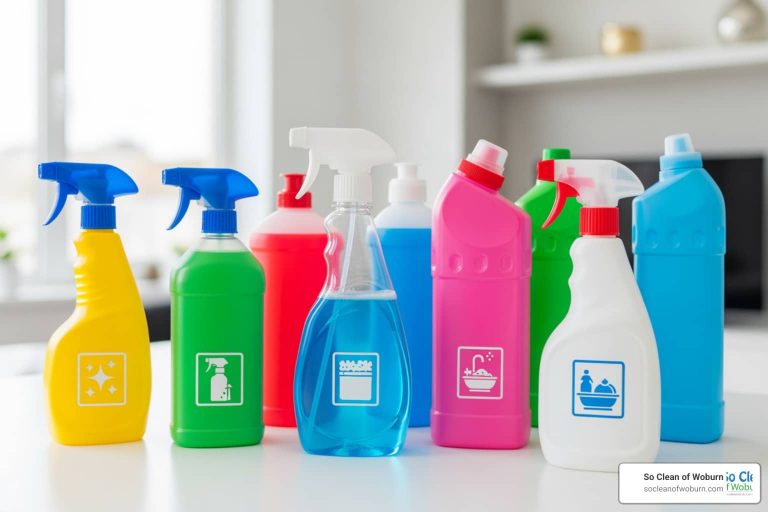
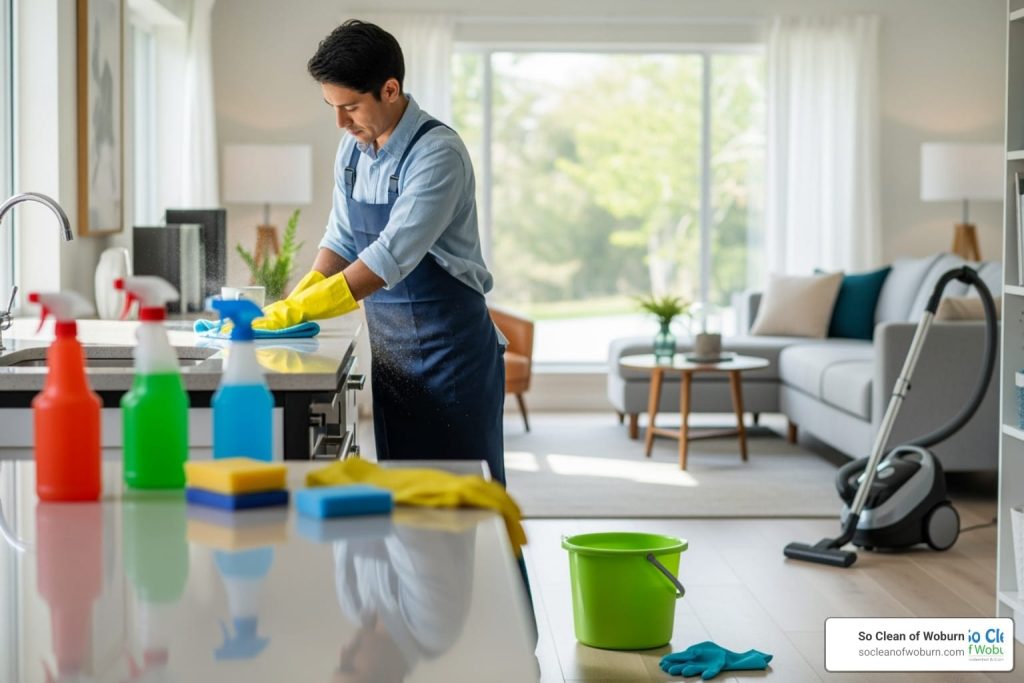
Why Healthy Homes Cleaning Matters More Than You Think

Healthy homes cleaning is about more than just making your space look tidy—it’s about creating an environment that protects your family’s well-being through proper cleaning techniques, safe products, and regular maintenance that reduces allergens, contaminants, and harmful chemicals.
Key elements of healthy homes cleaning include:
- Using non-toxic products instead of harsh chemicals that can harm indoor air quality
- Regular cleaning schedules that prevent dust, allergens, and germs from building up
- Proper ventilation during and after cleaning to remove contaminants
- Understanding the difference between cleaning (removing dirt), sanitizing (reducing germs), and disinfecting (killing germs)
- Reducing exposure to “forever chemicals” (PFAS) found in many cleaning products and household items
- HEPA-filter vacuums that trap fine particles instead of redistributing them into the air
This matters because Americans spend about 90% of their time indoors, yet the air inside your home is often 2 to 5 times more contaminated than outdoor air. That’s not just uncomfortable—it can trigger allergies, asthma, and other health issues, especially for children, seniors, and anyone with respiratory conditions.
A truly healthy home isn’t just clean on the surface. It’s dry (to prevent mold), well-ventilated, free of pests, safe from toxic chemicals, and properly maintained. When you clean with these principles in mind, you’re not just tidying up—you’re actively protecting your family’s health.
I’m Bill McGrath, owner of So Clean of Woburn, and I’ve spent years helping families across the Greater Boston area understand how healthy homes cleaning practices can transform their living spaces and well-being. Throughout this guide, I’ll share what I’ve learned about creating a truly healthy home through smart cleaning choices, whether you’re doing it yourself or working with professionals.
Healthy homes cleaning further reading:
The Foundations of a Healthy Home Environment
Since we spend most of our lives indoors, our home environment is paramount to our health. Focusing on indoor air quality, allergen reduction, and dust management are fundamental steps in creating a truly healthy home. Regular cleaning is a proactive health measure, especially for children, the elderly, or those with respiratory issues. The CDC offers a comprehensive guide for families.
What is a Healthy Home?
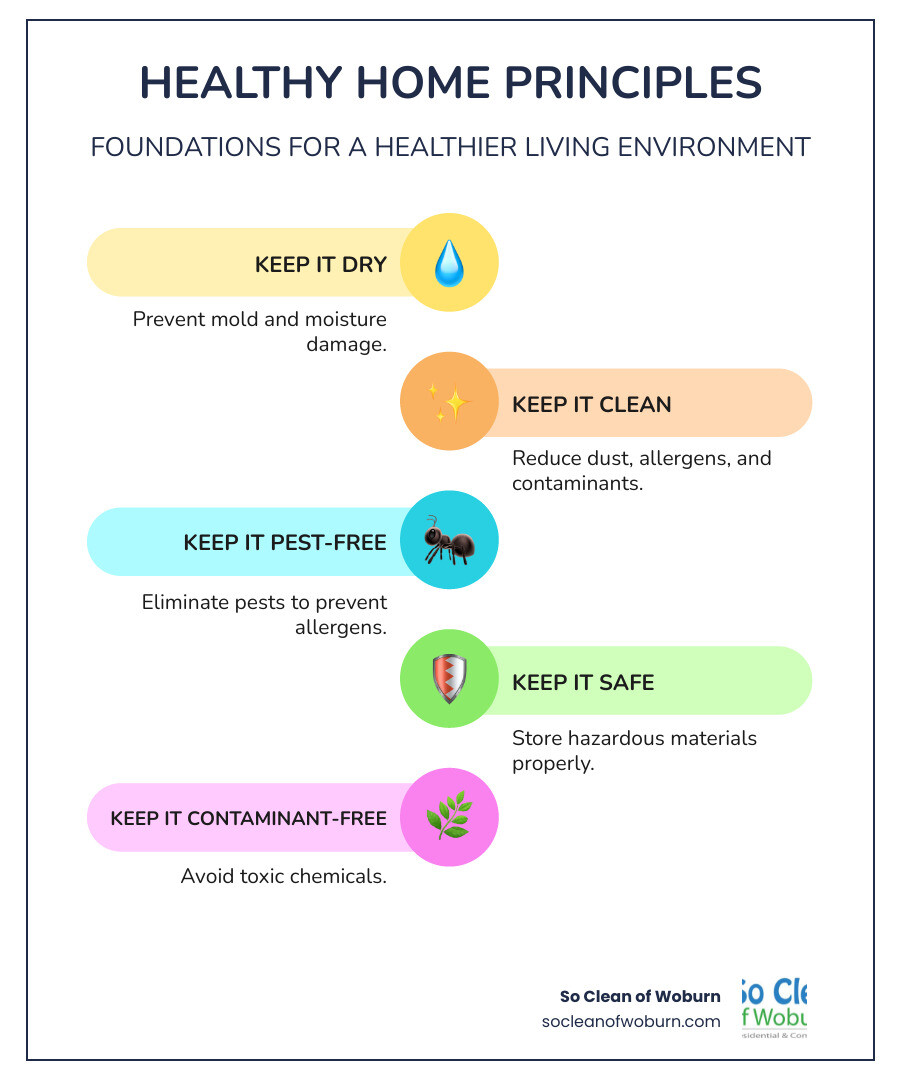
A healthy home supports the well-being of its occupants by minimizing hazards. The National Healthy Homes Partnership outlines eight key principles:
- Keep it Dry: Prevents mold and pests by fixing leaks and managing humidity. For tips, see our guide on natural mold cleaner.
- Keep it Clean: Regular healthy homes cleaning removes dust, allergens, and contaminants.
- Keep it Pest-Free: A clean home with proper food storage deters pests.
- Keep it Safe: Prevent injuries by securing rugs and safely storing hazardous materials.
- Keep it Contaminant-Free: Minimize exposure to lead, radon, and harmful chemicals by choosing safer products.
- Keep it Ventilated: Ensure good air circulation to remove stale, polluted indoor air.
- Keep it Maintained: Regular upkeep prevents small issues from becoming health threats.
- Keep it Thermally Controlled: Maintain comfortable temperatures to prevent health issues and moisture problems.
The Impact of Regular Cleaning on Health
The connection between a clean home and good health is undeniable.
- Reduces Allergens: Consistent dusting and vacuuming with HEPA filters remove dust mites, pet dander, and pollen.
- Eliminates Germs: Regular cleaning and disinfecting of high-touch surfaces reduce the risk of illness.
- Improves Mental Well-being: A clean, organized space reduces stress and improves focus.
- Prevents Pest Infestations: Removing food crumbs, moisture, and clutter makes your home less inviting to pests.
- Creates a Safe Environment for Children: A clean home is crucial for children who spend time on the floor, reducing their exposure to harmful residues and allergens. We also offer specialized house cleaning services for seniors.
Creating a Schedule for Healthy Homes Cleaning
Consistency is key to maintaining a healthy home. A structured cleaning schedule, broken into daily, weekly, and monthly tasks, prevents overwhelm and ensures everything gets the attention it needs.
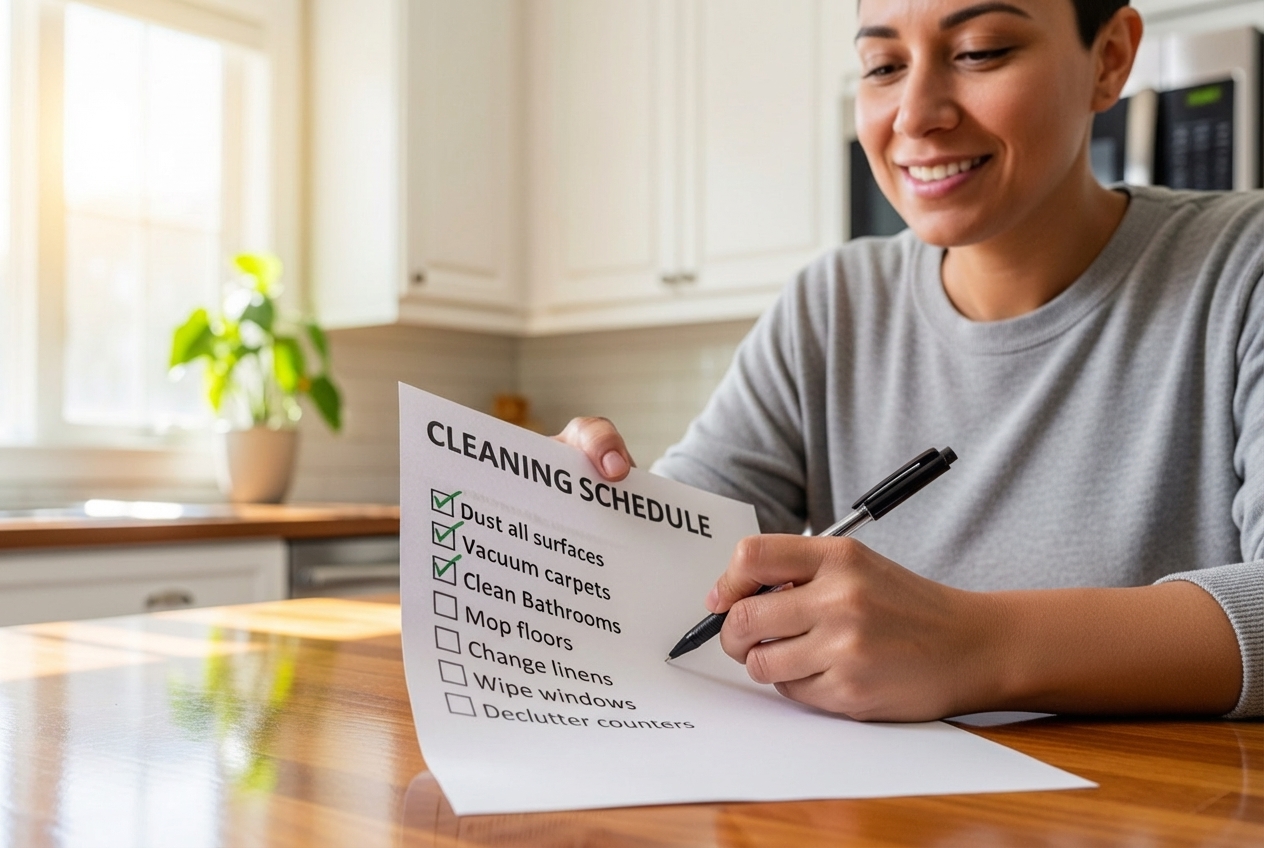
- Daily: Focus on high-traffic areas. Wipe kitchen counters, take out trash, and do a quick sweep.
- Weekly: Tackle deeper grime. Dust surfaces, vacuum carpets and upholstery, mop floors, and clean bathrooms.
- Monthly & Seasonal: Address less frequent but important tasks like cleaning baseboards, washing windows, and deep cleaning appliances.
For a detailed breakdown and a printable checklist, see our guide on How to Create a Cleaning Schedule for Efficient Apartment Building Maintenance. A little effort each day makes a huge difference in maintaining a healthy, stress-free home.
The “How-To” of Healthy Cleaning: Techniques and Products
Effective healthy homes cleaning requires knowing the right techniques and products. This means understanding labels, ensuring safe use, and being aware of health risks. Thankfully, there are many effective, non-toxic alternatives available. We’re passionate about non-toxic cleaning products and eco-friendly cleaning products because they truly make a difference.

Cleaning vs. Sanitizing vs. Disinfecting
Understanding the difference between these terms is vital for effective healthy homes cleaning. The CDC and EPA provide clear distinctions:
| Action | Purpose | Method |
|---|---|---|
| Cleaning | Removes dirt, dust, and germs from surfaces. | Uses soap/detergent and water to physically remove contaminants. Does not necessarily kill germs but lowers their numbers. |
| Sanitizing | Reduces the number of germs to a safe level. | Uses a chemical product to lower the number of germs on surfaces or objects. |
| Disinfecting | Kills nearly 100% of germs on surfaces. | Uses a chemical product (like bleach or an EPA-registered disinfectant) to kill germs. This is crucial for high-touch areas, especially during cold and flu season. |
Reading Labels: What to Look For and What to Avoid
- Signal Words: “CAUTION” means slightly toxic, “WARNING” is moderately toxic, and “DANGER” is highly toxic or corrosive.
- Contact Time (Dwell Time): This is how long a surface must stay wet for the product to work. Wiping too soon makes it ineffective.
- Harmful Ingredients: Avoid products with Volatile Organic Compounds (VOCs), ammonia, and synthetic fragrances, which can irritate the respiratory system. Never mix ammonia and chlorine bleach, as it creates toxic gas.
- Safer Choices: Look for plant-based, biodegradable, and fragrance-free products. Certifications like EPA Safer Choice or EWG Verified can help you identify safer options.
The Dangers of ‘Forever Chemicals’ (PFAS)
PFAS (Per- and Polyfluoroalkyl Substances) are man-made “forever chemicals” that persist in the environment and our bodies. They are found in the blood of 99 percent of Americans and are linked to serious health issues.
- Common Sources: PFAS are used to make products resistant to heat, oil, and water. They are found in non-stick cookware, stain-resistant fabrics and carpets, water-resistant clothing, and some food packaging.
- How to Reduce Exposure:
- Choose cast iron, stainless steel, or glass cookware over non-stick.
- Be wary of “stain-resistant” or “water-resistant” claims on furniture and clothing.
- Filter your drinking water with a system certified to remove PFAS.
- Dust and vacuum regularly with a HEPA filter, as PFAS can settle in household dust.
Making these changes contributes to a healthier, less contaminated home environment. For more on safe fabric care, see our guide to green upholstery cleaner.
Room-by-Room Guide to a Healthier Home
Applying healthy homes cleaning practices room-by-room ensures a thorough job. Each area has unique challenges, especially moisture-prone and germ-heavy zones like kitchens and bathrooms. Using the right tools is key to a safe and effective deep clean my home process.
Healthy Homes Cleaning for Kitchens
The kitchen is a hub of activity and can be a hotspot for germs.
- Countertops: After preparing food (especially raw meat), clean with soap and water, then use an EPA-registered sanitizer. For daily cleaning, a plant-based all-purpose cleaner is sufficient.
- Sink & Disposal: Scrub the sink daily with hot, soapy water. Deodorize the disposal by flushing with hot water, then adding baking soda and vinegar.
- Appliances:
- Microwave: Steam clean with a bowl of water and vinegar or lemon juice.
- Oven: Use a paste of baking soda, salt, and water to scrub away grime.
- Stainless Steel: Use a dedicated natural stainless steel cleaner to prevent streaks.
- Floors: Sweep or vacuum daily and mop regularly, focusing on high-spill areas.
Healthy Homes Cleaning for Bathrooms
Bathrooms are prime breeding grounds for mold and bacteria due to high humidity.
- Mold & Mildew: Use the exhaust fan during and after showers. Address any existing mold with a natural mold cleaner.
- Toilets: Use a plant-based toilet bowl cleaner, letting it sit before scrubbing. Disinfect the handle, seat, and base.
- Showers & Tubs: Scrub tiles, grout, and fixtures with a plant-based bathroom cleaner. Let it sit for 5-10 minutes to dissolve soap scum before rinsing.
- Ventilation: Open a window after cleaning to air out the room and reduce moisture.
The Role of Professional Healthy Homes Cleaning Services
While DIY cleaning is important, a professional healthy homes cleaning service offers benefits beyond just convenience. For busy families in the Greater Boston area, from Andover to Woburn, hiring experts can be a game-changer.
- Expertise & Equipment: Professionals are trained in using the most effective non-toxic products and have access to industrial-grade equipment, like HEPA-filter vacuums and steam cleaners, that remove deep-seated dirt and allergens.
- Time & Convenience: Delegating deep cleaning frees up your valuable time for family, work, or leisure.
- Thorough Results: A professional service follows a meticulous process to ensure no corner is overlooked, addressing hidden grime that impacts indoor air quality and even improving your property’s value, as detailed in The Role of Professional Cleaning Services in Enhancing Property Value.
What to Look for in a Healthy Cleaning Service
When choosing a service in the Greater Boston area, look for:
- Commitment to Non-Toxic Products: Do they use plant-based, biodegradable, and fragrance-free options? This is key for a healthy home. Look for companies that offer green cleaning services near me.
- Insurance and Bonding: This protects you and is a sign of a reputable company.
- Customized Plans: A good service will tailor their work to your home’s specific needs and your family’s sensitivities.
- Positive Reviews: Check what other local clients say about their quality and professionalism.
- Allergen Reduction Knowledge: Ensure they use HEPA filtration and techniques that effectively remove dust, dander, and other allergens.
How Professionals Improve Indoor Air Quality
Indoor air can be more polluted than outdoor air. Professional cleaning directly addresses this.
- HEPA-Filter Vacuums: These capture 99.97% of microscopic airborne particles like dust mites, pollen, and pet dander, preventing them from being recirculated.
- Proper Dusting Techniques: Using microfiber cloths traps dust instead of just spreading it around.
- Reducing Chemical Vapors: Using non-toxic products eliminates the release of harmful VOCs from traditional cleaners.
- Deep Cleaning Fabrics: Professional extraction cleaning removes allergens and pollutants trapped deep within carpets and upholstery, a core part of our healthy carpet care and services for reducing allergens in apartment buildings.
Frequently Asked Questions about Healthy Home Cleaning
Here are answers to common questions about healthy homes cleaning.
How often should I have my home professionally deep cleaned for health benefits?
We generally recommend a full deep clean every 3 to 6 months. The ideal frequency depends on factors like having pets, children, or family members with allergies or asthma. A seasonal deep cleaning schedule is a great way to manage dust and allergens that build up over time. For a complete checklist, see our deep cleaning services ultimate guide.
Are “natural” or DIY cleaning solutions like vinegar and baking soda always safe and effective?
DIY solutions like vinegar and baking soda are excellent for many daily cleaning tasks and are safer than many chemical products. We use them in our own natural home cleaning guide. However, they have limitations. Vinegar is an acid and can damage natural stone, and neither is a substitute for an EPA-registered disinfectant when you need to kill a broad spectrum of germs, such as when a family member is sick. Also, never mix vinegar and bleach, as this creates toxic chlorine gas. For serious disinfection, we use professional-grade, plant-based disinfectant cleaners.
Can a cleaning service help with my allergies or asthma?
Absolutely. A professional cleaning service that specializes in healthy homes cleaning can significantly reduce allergy and asthma triggers. We do this by:
- Removing Allergens: Thoroughly dusting and vacuuming with HEPA-filter vacuums to capture dust mites, pet dander, and pollen.
- Using Fragrance-Free Products: Avoiding synthetic fragrances that can trigger respiratory issues.
- Deep Cleaning Fabrics: Extracting trapped allergens from carpets and upholstery.
When you hire a service, be sure to communicate any specific sensitivities. This allows us to customize our approach to create a truly breathable and comfortable environment for your family.
Conclusion
Creating a healthy home is a journey, not a destination, and healthy homes cleaning is its most critical component. We’ve explored the fundamental principles of a healthy home, understood the vital distinction between cleaning, sanitizing, and disinfecting, and learned to steer product labels and harmful chemicals like PFAS. We’ve also taken a tour through the specific cleaning needs of your kitchen and bathroom, recognizing their unique roles in your home’s overall health.
A healthy home is achievable through mindful cleaning practices, whether you’re tackling tasks yourself or seeking professional assistance. The value of both regular maintenance and professional deep cleaning cannot be overstated in creating an environment that protects and nurtures your family’s well-being.
For residents in the Greater Boston area, including towns like Woburn, Reading, Stoneham, and Winchester, So Clean of Woburn provides expert, customized cleaning solutions designed to meet the highest standards of healthy homes cleaning. We’re here to help you transform your living spaces into safe, clean, and healthy havens.